Common Blanketflower vs Peruvian peppertree
Complete comparison between Common Blanketflower and Peruvian peppertree to help you choose the ideal plant.
Common Blanketflower or Peruvian peppertree: Which to Choose?
Peruvian peppertree is easier to care for than Common Blanketflower, winning 3 of 10 attributes. Common Blanketflower needs watering every 10 days vs Peruvian peppertree every 14 days. Choose Peruvian peppertree for a low-maintenance option. Choose Common Blanketflower if you prefer faster growth.
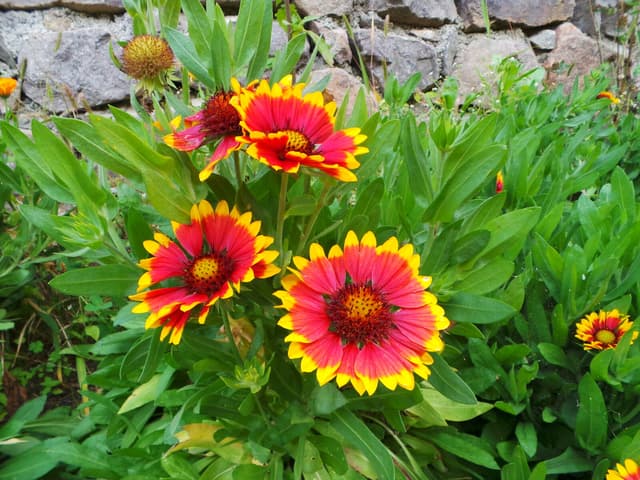
Common Blanketflower
Gaillardia aristata
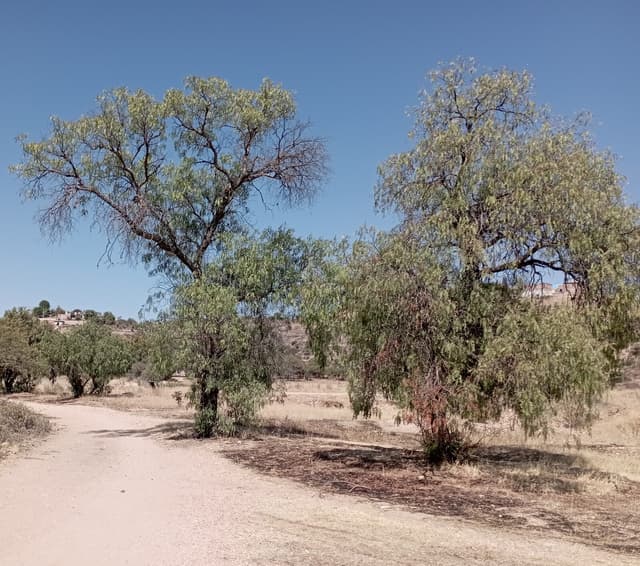
Peruvian peppertree
Schinus molle
Common Blanketflower vs Peruvian peppertree: Which Is Easier to Care For?
| Attribute | Common Blanketflower | Peruvian peppertree |
|---|---|---|
| Difficulty | Easy | Easy |
| Light | Direct sun | Direct sun |
| Watering | Every 10 days | Every 14 days✓ |
| Humidity | 40% - 60% | 20% - 60%✓ |
| Temperature | 10°C - 32°C | -5°C - 45°C |
| Height | 90cm | 15.0m |
| Growth | Fast | Fast |
| Pet Safe | Yes✓ | No |
| Air Purifying | No | Yes✓ |
| Indoor | No | No |
Should You Choose Common Blanketflower or Peruvian peppertree?
Peruvian peppertree is the best choice for most people, especially beginners looking for a low-maintenance plant.
Compare Other Plants
What Other Plants Compare to These?
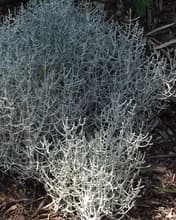
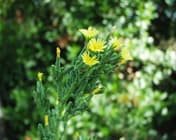
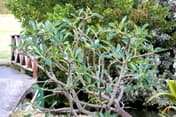
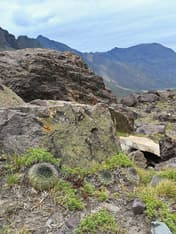
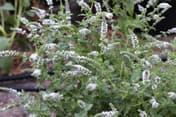
What Makes Common Blanketflower a Good Choice?
Give blanketflower full sun and well-draining soil, and let it dry out between waterings once established. It needs little to no fertilizer, tolerates heat and poor soil, and rewards regular deadheading with continuous blooms all summer.
View Common Blanketflower page →What Makes Peruvian peppertree a Good Choice?
A very robust and easy-to-grow plant, ideal for sunny outdoor environments. Once rooted in the ground, it tolerates long periods of drought without needing frequent watering. It requires full sun and well-drained substrate; it only fears prolonged waterlogging, which can promote root rot. Fertilization is optional but useful during its juvenile phase. Light annual pruning in spring to remove dry or cold-damaged branches.
View Peruvian peppertree page →