Honey Locust vs Thai Beauty Calathea
Complete comparison between Honey Locust and Thai Beauty Calathea to help you choose the ideal plant.
Honey Locust or Thai Beauty Calathea: Which to Choose?
Honey Locust is easier to care for than Thai Beauty Calathea, winning 3 of 10 attributes. Honey Locust needs watering every 14 days vs Thai Beauty Calathea every 7 days. Choose Honey Locust for a low-maintenance option. Choose Thai Beauty Calathea if you prefer faster growth.
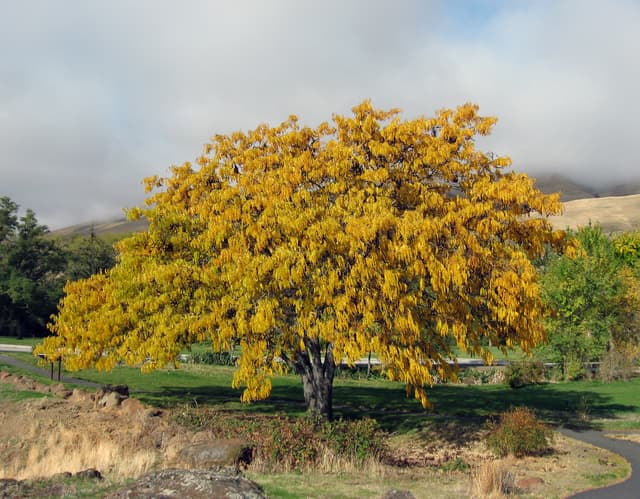
Honey Locust
Gleditsia triacanthos
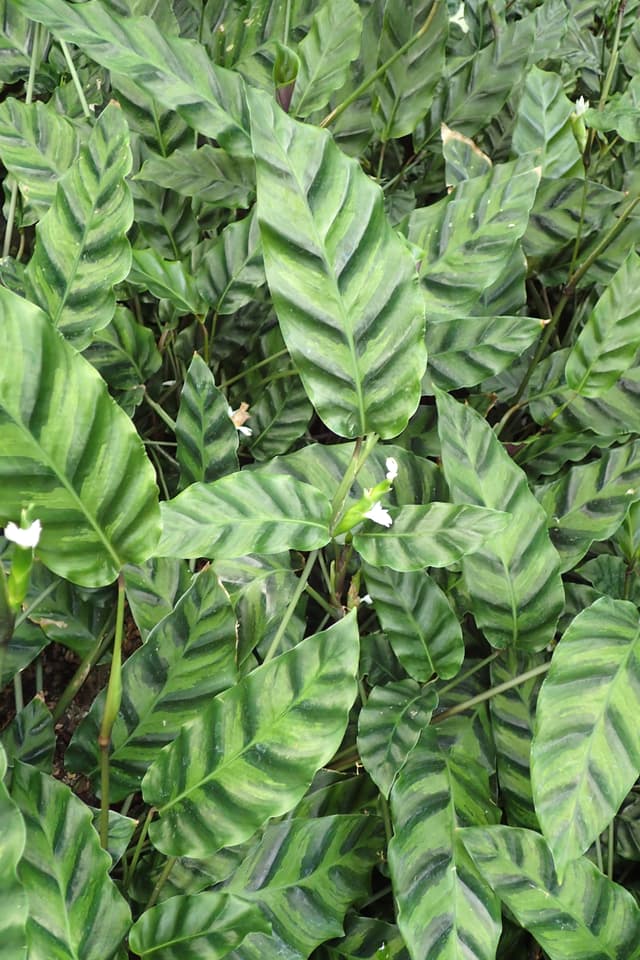
Thai Beauty Calathea
Goeppertia louisae
Honey Locust vs Thai Beauty Calathea: Which Is Easier to Care For?
| Attribute | Honey Locust | Thai Beauty Calathea |
|---|---|---|
| Difficulty | Medium | Medium |
| Light | Direct sun | Partial shade |
| Watering | Every 14 days✓ | Every 7 days |
| Humidity | 30% - 70%✓ | 60% - 90% |
| Temperature | -35°C - 35°C | 18°C - 29°C |
| Height | 24.0m | 90cm |
| Growth | Fast✓ | Slow |
| Pet Safe | Yes | Yes |
| Air Purifying | No | No |
| Indoor | No | Yes✓ |
Should You Choose Honey Locust or Thai Beauty Calathea?
Honey Locust is the best choice for most people, especially beginners looking for a low-maintenance plant.
Compare Other Plants
What Other Plants Compare to These?
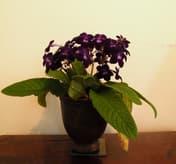
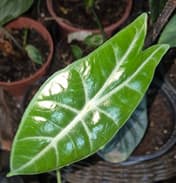
What Makes Honey Locust a Good Choice?
The Honey Locust is a low-maintenance, drought-tolerant tree once established. Water deeply every 1–2 weeks during the first growing season; mature trees rarely need supplemental watering. Place in full sun and well-draining, loamy soil. Fertilize lightly in early spring and prune in late winter to remove dead or crossing branches.
View Honey Locust page →What Makes Thai Beauty Calathea a Good Choice?
A medium-difficulty plant requiring high humidity, bright indirect light, and regular watering with filtered or rain water. Keep the substrate evenly moist but never waterlogged. Mist leaves frequently and avoid cold drafts. Fertilize monthly during spring and summer.
View Thai Beauty Calathea page →