Honey Locust vs Glorybower (genus)
Complete comparison between Honey Locust and Glorybower (genus) to help you choose the ideal plant.
Honey Locust or Glorybower (genus): Which to Choose?
Honey Locust is easier to care for than Glorybower (genus), winning 4 of 10 attributes. Honey Locust needs watering every 14 days vs Glorybower (genus) every 6 days. Choose Honey Locust for a low-maintenance option. Choose Glorybower (genus) if you prefer faster growth.
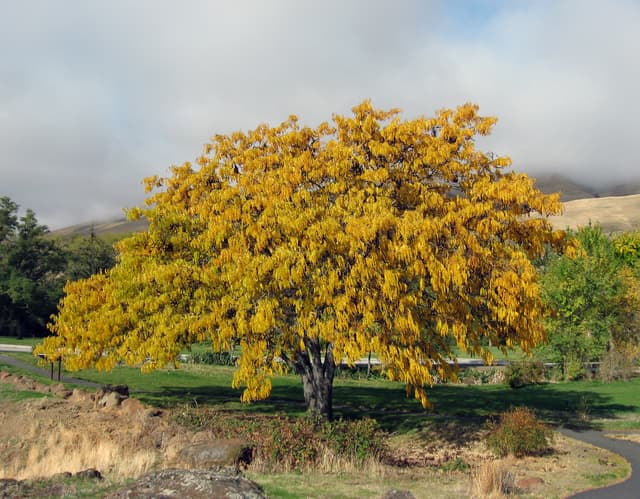
Honey Locust
Gleditsia triacanthos
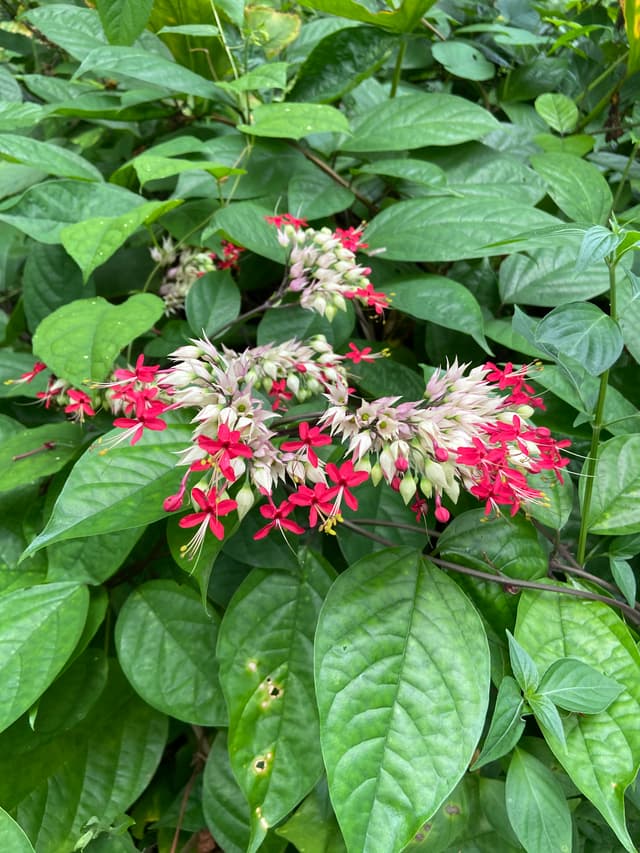
Glorybower (genus)
Clerodendrum
Honey Locust vs Glorybower (genus): Which Is Easier to Care For?
| Attribute | Honey Locust | Glorybower (genus) |
|---|---|---|
| Difficulty | Medium | Medium |
| Light | Direct sun | Partial shade |
| Watering | Every 14 days✓ | Every 6 days |
| Humidity | 30% - 70%✓ | 60% - 85% |
| Temperature | -35°C - 35°C | 15°C - 35°C |
| Height | 24.0m | - |
| Growth | Fast✓ | Medium |
| Pet Safe | Yes✓ | No |
| Air Purifying | No | No |
| Indoor | No | Yes✓ |
Should You Choose Honey Locust or Glorybower (genus)?
Honey Locust is the best choice for most people, especially beginners looking for a low-maintenance plant.
Compare Other Plants
What Other Plants Compare to These?
What Makes Honey Locust a Good Choice?
The Honey Locust is a low-maintenance, drought-tolerant tree once established. Water deeply every 1–2 weeks during the first growing season; mature trees rarely need supplemental watering. Place in full sun and well-draining, loamy soil. Fertilize lightly in early spring and prune in late winter to remove dead or crossing branches.
View Honey Locust page →What Makes Glorybower (genus) a Good Choice?
A tropical plant that thrives in bright indirect light to partial sun, regular watering every 5–7 days keeping soil evenly moist, high humidity, and temperatures above 15 °C. Fertilize monthly during the growing season.
View Glorybower (genus) page →