Asteraceae
Devil's Beggarticks — Bidens frondosa Complete Care Guide
Bidens frondosa
An easy-care annual that thrives in full sun and moist, loamy soil. Water regularly to keep soil evenly moist, and prune spent stems to manage its vigorous spread. Best suited for outdoor gardens, natural meadows, or wetland edges. Little fertilization needed; the plant self-seeds abundantly.
Every 5 days
Direct sun
5° - 35°C
30% - 60%
Categories
What is Devil's Beggarticks?
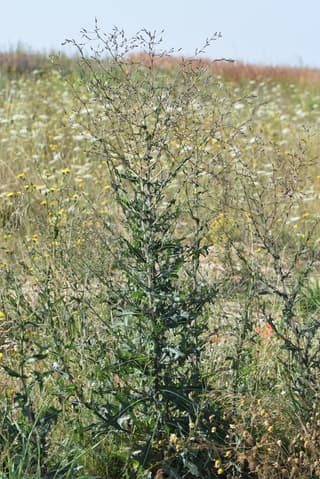
Devil's Beggarticks (Bidens frondosa) is a easy-care plant from the Asteraceae family. Bidens frondosa, commonly known as Devil's Beggarticks or Devil's Pitchfork, is a fast-growing annual wildflower native to North America. It belongs to the Asteraceae family and thrives in moist, sunny environments such as riverbanks, ditches, and disturbed grounds. The plant produces small golden-y...
Devil's Beggarticks grows up to 1.8m, spread of 60cm, watering every 5 days, 5°C – 35°C, 30–60% humidity. It is not suitable for indoor environments and safe for pets.
Unlike many tropical plants, Devil's Beggarticks tolerates watering mistakes. Best for beginners. Unlike many popular species, Devil's Beggarticks is safe to keep around pets.
How to Care for Devil's Beggarticks?
TLDR: Devil's Beggarticks needs Direct sun, watering every 5 days, and temperatures between 5-35°C with 30-60% humidity.
How Often Should You Water Devil's Beggarticks?
Water every 3–5 days to keep soil consistently moist but not waterlogged. Avoid overhead watering to reduce the risk of fungal issues. During drought periods, increase watering frequency. This plant tolerates temporary flooding but dislikes prolonged dry spells.
How Much Light Does Devil's Beggarticks Need?
Provide full sun (at least 6 hours of direct sunlight daily) for best flowering. Tolerates partial shade but flower production will be reduced. In hot climates, light afternoon shade can prevent wilting.
What Is the Best Soil for Devil's Beggarticks?
Plant in loamy, well-draining soil rich in organic matter with a pH of 5.5–7.0. Avoid compacted or heavy clay soils. Amending with compost improves both drainage and fertility. Naturally found near water, so soil should retain some moisture.
What Pot Should You Use for Devil's Beggarticks?
Not typically grown in pots; best suited for open garden beds, wetland margins, or naturalized areas. If container-grown, use a large pot (30+ cm diameter) with drainage holes and moisture-retaining mix.
What Is Devil's Beggarticks and Where Does It Come From?
Bidens frondosa, commonly known as Devil's Beggarticks or Devil's Pitchfork, is a fast-growing annual wildflower native to North America. It belongs to the Asteraceae family and thrives in moist, sunny environments such as riverbanks, ditches, and disturbed grounds. The plant produces small golden-yellow to orange disc flowers from late summer through fall, followed by distinctive barbed seed heads that cling to clothing and animal fur — giving rise to its colorful common names.
How to Propagate Devil's Beggarticks?
Seed propagation
Seeds self-sow prolifically; deadhead after bloom if you want to limit spread. Outdoor direct sowing in fall works best as seeds benefit from natural cold stratification.
- 1 Collect mature seed heads in autumn
- 2 Stratify seeds cold for 4-6 weeks or sow directly outdoors in late fall
- 3 Press seeds lightly onto moist soil surface — they need light to germinate
- 4 Keep soil moist until germination
- 5 Thin seedlings to 30 cm apart
Materials needed:
Root division
Division rejuvenates older clumps and controls spread effectively.
- 1 Dig up an established clump in early spring
- 2 Divide root mass into sections with a sharp spade
- 3 Replant divisions immediately at the same depth
- 4 Water thoroughly after planting
Materials needed:
How Big Does Devil's Beggarticks Grow?
TLDR: Devil's Beggarticks can reach up to 1.8m tall with Fast growth rate.
Max height
1.8m
Spread
60cm
Growth rate
Fast
Foliage
Deciduous
Plant Uses
Ornamental
Great for decoration
Medicinal
Medicinal properties
Edible
Can be consumed
Medicinal Uses
- Traditionally used in herbal medicine for wound healing and anti-inflammatory properties
- Used in folk medicine to treat skin conditions and infections
- Has been studied for antifungal and antimicrobial activity
Culinary Uses
- Young leaves and shoots are edible and have been consumed as a pot herb when cooked
- Seeds were historically ground into flour by indigenous peoples
Is your plant showing symptoms?
Click on the symptom to discover possible causes:
What Diseases Commonly Affect Devil's Beggarticks?
TLDR: Devil's Beggarticks is susceptible to 9 known diseases. Monitor regularly for early detection.
Aphids
Aphids are small, soft-bodied, pear-shaped insects (1/16 to 1/8 inch long) that feed by sucking nutrient-rich sap from plants. They reproduce rapidly and can quickly weaken plants, causing distorted growth and transmitting plant viruses. Aphids come in various colors including green, black, red, yellow, brown, and gray. They secrete honeydew, a sticky substance that attracts ants and encourages sooty mold growth.
Spider Mites
Spider mites are tiny arachnids (less than 1/20 inch long) related to spiders and ticks that feed on plant sap. They thrive in hot, dry conditions and can cause significant damage to ornamental and vegetable plants. During severe infestations, crop losses can reach 14% or higher as these pests disrupt vital plant processes including photosynthesis, carbon dioxide absorption, and transpiration.
Whiteflies
Whiteflies are small, soft-bodied, winged insects closely related to aphids and mealybugs. They are moth-like in appearance, about 1/16 inch long, triangular in shape, and gray-white in color. These sap-sucking pests feed on plant tissue, causing yellowing, stunted growth, and wilting. They also excrete honeydew, which attracts ants and promotes sooty mold growth. Whiteflies can transmit serious plant viruses.
Root Rot
Root rot is a serious fungal disease that affects the root system of plants, causing them to decay and die. It is primarily caused by overwatering, poor drainage, or soil-borne fungi such as Pythium, Phytophthora, Rhizoctonia, and Fusarium. The disease thrives in waterlogged conditions where roots are deprived of oxygen, making them susceptible to fungal infection.
Meaning & Symbolism
In folklore, beggarticks symbolize persistence and resilience — their barbed seeds cling tenaciously to anything they touch, representing the idea that some things cannot easily be shaken off.
Fun Facts
The barbed seeds of Bidens frondosa can cling to fabric and fur, dispersing over long distances — one reason it has spread across Europe and Asia
Despite being considered a weed, it is an important late-season nectar source for honeybees, bumblebees, and butterflies
The species name "frondosa" means "leafy" in Latin, referencing its lush pinnate foliage
It can grow up to 1.8 m tall under ideal conditions, towering well above most garden annuals
Frequently asked questions
Is Devil's Beggarticks invasive?
Is Bidens frondosa toxic to pets?
How often should I water Devil's Beggarticks?
When does Bidens frondosa flower?
Can I grow Devil's Beggarticks in a pot?
Compare with similar plants
| Attribute | Difficulty | Light | Watering | Pet Safe |
|---|---|---|---|---|
| Field Maple | Easy | Bright indirect | 14d | ✓ |
| Wild Lettuce | Medium | Direct sun | 7d | ⚠️ |
| Cushion Bush | Easy | Direct sun | 14d | ✓ |
| Chilean Cacti | Easy | Direct sun | 14d | ✓ |