Bixaceae
Annatto (Bixa orellana): Complete Growing Guide
Bixa orellana
Easy to grow in tropical and subtropical gardens. Requires full sun, well-drained soil, and moderate watering. Highly drought-tolerant once established. Fertilize every 3 months to encourage fruiting.
Every 7 days
Direct sun
18° - 35°C
50% - 80%
Categories
What is Annatto?
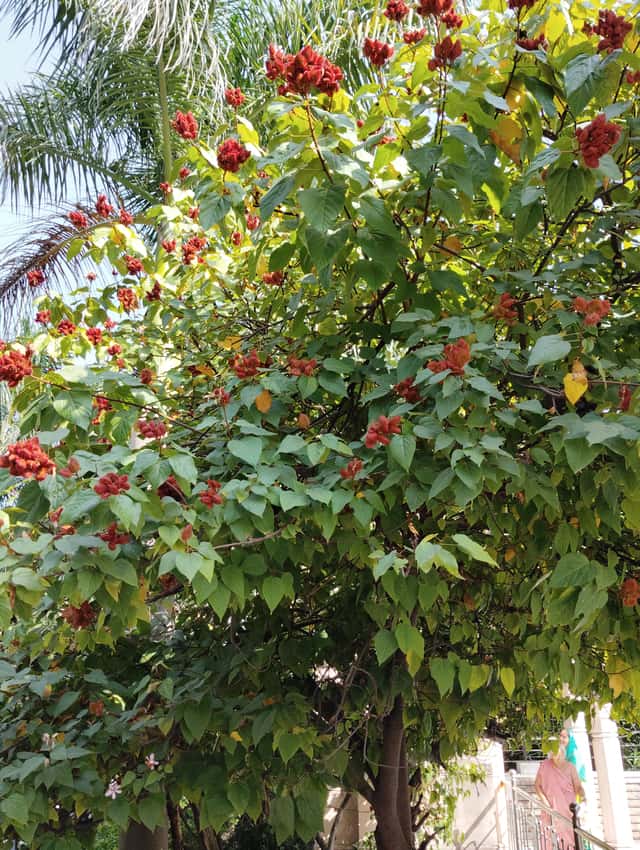
Annatto (Bixa orellana) is a easy-care plant from the Bixaceae family. Bixa orellana, commonly known as annatto or the lipstick tree, is a fast-growing tropical shrub or small tree native to Brazil and tropical America. It is prized for its spiny reddish seed pods containing bixin-rich seeds, a natural orange-red pigment widely used as a food coloring and in cosmetics....
Annatto grows up to 8.0m, with spread of 400cm, watering every 7 days, 18°C – 35°C, 50–80% humidity. It is not suitable for indoor environments and safe for pets.
Unlike many tropical plants, Annatto tolerates watering mistakes. Best for beginners. Unlike many popular species, Annatto is safe to keep around pets.
How to Care for Annatto?
TLDR: Annatto needs Direct sun, watering every 7 days, and temperatures between 18-35°C with 50-80% humidity.
How Often Should You Water Annatto?
Water every 7 days on average. Annatto is drought-tolerant and does not tolerate waterlogged soil. Allow the soil to dry slightly between waterings. During dry spells, water more frequently for better fruit production.
How Much Light Does Annatto Need?
Annatto requires full sun to grow and fruit well. Plant in a location with at least 6 hours of direct sunlight per day. Avoid shade as it significantly reduces fruit production.
What Is the Best Soil for Annatto?
Prefers well-drained, slightly acidic to neutral soil (pH 5.5–7.5). Tolerates various soil types but grows best in organic-rich soils. Add compost to the planting hole for best results.
What Pot Should You Use for Annatto?
Large outdoor planting preferred. If container-grown, use a large pot (minimum 50 liters) with adequate drainage holes.
Care Schedule
Fertilize
Every 90 days
Repot
Every 730 days
What Is Annatto and Where Does It Come From?
Bixa orellana, commonly known as annatto or the lipstick tree, is a fast-growing tropical shrub or small tree native to Brazil and tropical America. It is prized for its spiny reddish seed pods containing bixin-rich seeds, a natural orange-red pigment widely used as a food coloring and in cosmetics. The plant produces beautiful pink flowers and is equally valued as an ornamental and as a commercial crop.
How to Propagate Annatto?
Seed Propagation
Use fresh seeds for best germination rates. Keep substrate moist but not waterlogged.
- 1 Collect seeds from mature, dry fruit pods
- 2 Sow seeds 1-2 cm deep in moist, well-draining seed mix
- 3 Maintain in a warm location above 20°C
- 4 Transplant seedlings to their final location when 20-30 cm tall
Materials needed:
Hardwood Cuttings
Use clean, sharp tools. Remove lower leaves to reduce water loss.
- 1 Cut mature stem sections 20-25 cm long with a minimum 8 mm diameter
- 2 Apply rooting hormone to the base of the cutting
- 3 Plant in moist, well-draining substrate
- 4 Keep in a shaded, humid location until rooting occurs
Materials needed:
How Big Does Annatto Grow?
TLDR: Annatto can reach up to 8.0m tall with Fast growth rate.
Max height
8.0m
Spread
4.0m
Growth rate
Fast
Foliage
Evergreen
Plant Uses
Ornamental
Great for decoration
Edible
Can be consumed
Medicinal
Medicinal properties
Medicinal Uses
- Natural dye (bixin) with antioxidant properties
- Anti-inflammatory and expectorant
- Used for skin conditions treatment
- Natural sunscreen properties
- Mosquito and insect repellent
Culinary Uses
- Natural food coloring for cheeses, butter, and margarine
- Seasoning for meats and poultry (achiote paste)
- Rice and soup coloring
- Base for commercial annatto products
Is your plant showing symptoms?
Click on the symptom to discover possible causes:
What Diseases Commonly Affect Annatto?
TLDR: Annatto is susceptible to 5 known diseases. Monitor regularly for early detection.
Powdery Mildew
Powdery mildew is a common fungal disease caused by various fungi species including Erysiphe, Podosphaera, Oïdium, and Leveillula. It affects over 10,000 plant species worldwide. The disease thrives in warm, dry climates with high humidity and appears as a distinctive white powdery coating on plant surfaces.
Cercospora Leaf Spot
Cercospora leaf spot is a common fungal disease caused by Cercospora species that affects many plant types, particularly beets, roses, and leafy vegetables. The disease thrives in warm, humid conditions and can cause significant defoliation, reducing plant vigor and yield. It spreads rapidly through water splash, wind, and contaminated tools.
Scale Insects
Scale insects are small sap-sucking pests that appear as brown, shell-like bumps on plant stems and leaves. There are over 25 species, divided into armored (hard) and unarmored (soft) scales. They feed by piercing plant tissue and extracting sap, which weakens the plant and can lead to yellowing, stunted growth, and even death if left untreated. They also excrete honeydew, which attracts ants and promotes sooty mold growth.
Whiteflies
Whiteflies are small, soft-bodied, winged insects closely related to aphids and mealybugs. They are moth-like in appearance, about 1/16 inch long, triangular in shape, and gray-white in color. These sap-sucking pests feed on plant tissue, causing yellowing, stunted growth, and wilting. They also excrete honeydew, which attracts ants and promotes sooty mold growth. Whiteflies can transmit serious plant viruses.
Meaning & Symbolism
Annatto has been a symbol of indigenous identity in the Amazon for over 3,000 years. The vivid red pigment from the seeds was used in body painting for rituals and ceremonies, representing protection and spiritual strength.
Fun Facts
Annatto's pigment, bixin, is one of the most widely used natural colorants in the world, found in cheeses, margarines, and cosmetics
Indigenous peoples of the Amazon have used annatto for body painting for over 3,000 years
Annatto begins producing fruit in just 1.5 to 2 years, making it one of the earliest fruiting trees in the tropics
Known as the "lipstick tree," its seeds were historically used as lipstick by indigenous populations
Frequently asked questions
How often should I water annatto?
Can annatto be grown in a pot?
When does annatto start producing fruit?
Is annatto toxic?
What are the main pests of annatto?
Compare with similar plants
| Attribute | Difficulty | Light | Watering | Pet Safe |
|---|---|---|---|---|
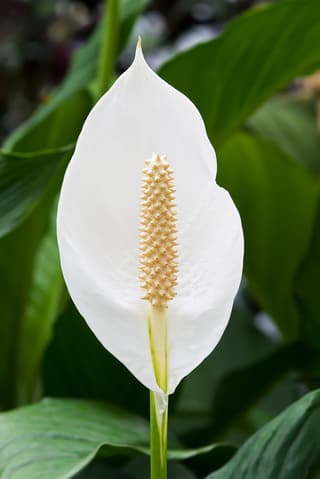
| Peace Lily | Easy | Low light | 4d | ⚠️ |
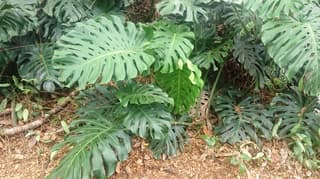
| Swiss Cheese Plant | Easy | Partial shade | 10d | ⚠️ |
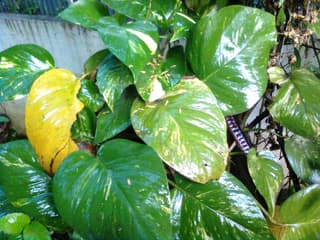
| Golden Pothos | Easy | Low light | 8d | ⚠️ |
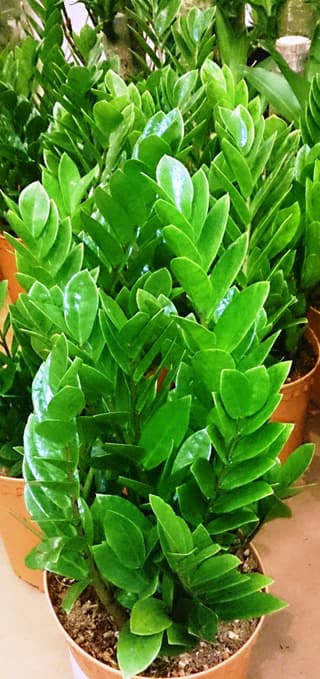
| ZZ Plant | Easy | Low light | 18d | ⚠️ |