Asparagaceae
Agave americana (Century Plant): Complete Care Guide
Agave americana
A highly resilient plant perfect for dry gardens and xeriscaping. Requires full sun, excellent drainage, and very infrequent watering. Nearly pest-free when grown correctly. Does not tolerate waterlogging. Slow-growing but reaches impressive dimensions — up to 6 feet tall and 12 feet wide.
Every 14 days
Direct sun
5° - 38°C
30% - 60%
Categories
What is Century Plant?
Century Plant (Agave americana) is a easy-care plant from the Asparagaceae family. Agave americana, commonly known as the Century Plant, is a large succulent native to Mexico and the southern United States. Its striking blue-gray leaves are long, rigid, and tipped with sharp spines. It is monocarpic — blooming only once in its lifetime after 10 to 30 years, producing a spectacular...
Century Plant grows up to 1.8m, with spread of 365cm, watering every 14 days, 5°C – 38°C, 30–60% humidity. It is suitable for indoor environments and not safe for pets.
Unlike many tropical plants, Century Plant tolerates watering mistakes. Best for beginners. Without precautions, ingestion can cause irritation in pets. Keep out of reach of cats and dogs. Without adequate drainage, root rot can develop within 28 days.
How to Care for Century Plant?
TLDR: Century Plant needs Direct sun, watering every 14 days, and temperatures between 5-38°C with 30-60% humidity.
How Often Should You Water Century Plant?
Water only when the soil is completely dry — typically every 14 days in the growing season and once a month in winter. Never allow water to pool in the saucer. Overwatering causes crown rot, the number one killer of agave plants.
How Much Light Does Century Plant Need?
Requires full sun — at least 6 to 8 hours of direct sunlight daily. Tolerates partial shade but growth will be slower and leaf coloration less vibrant. Indoors, place near south- or west-facing windows with maximum light exposure.
What Is the Best Soil for Century Plant?
Use cactus and succulent potting mix with excellent drainage. Combine coarse sand or perlite (50%) with potting soil (50%). Pots must have drainage holes. Ideal pH between 6.0 and 8.0. Avoid clay-heavy or compacted soils that retain moisture.
What Pot Should You Use for Century Plant?
Terracotta or stone pots are ideal as they absorb excess moisture. Ensure they have drainage holes. For garden planting, use sandy soil or raised beds.
Care Schedule
Fertilize
Every 365 days
Rotate
Every 90 days
Repot
Every 730 days
What Is Century Plant and Where Does It Come From?
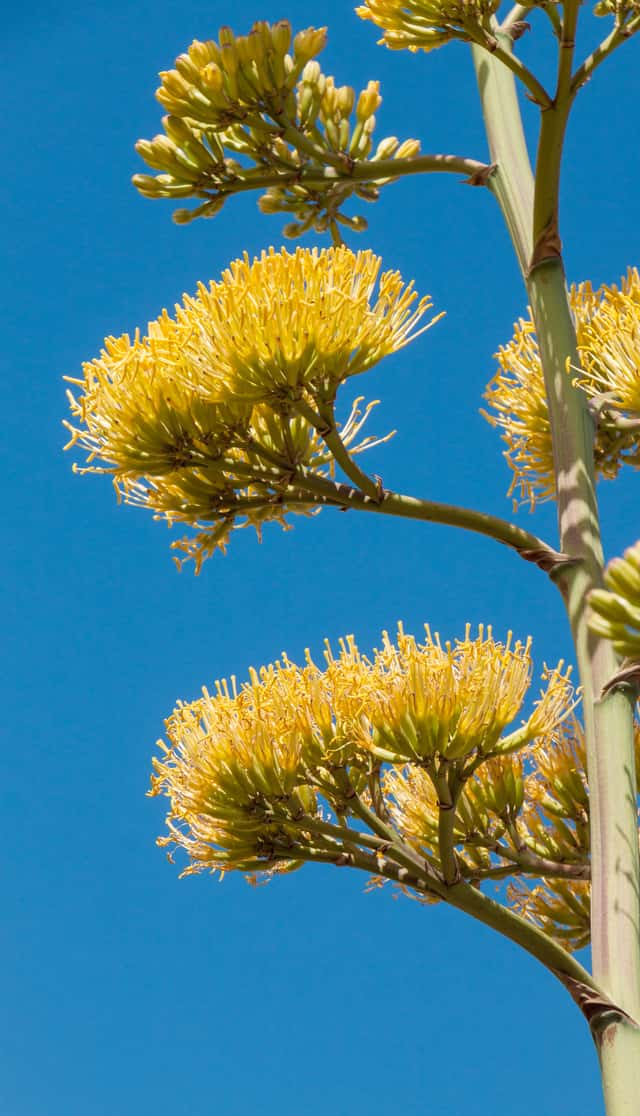
Agave americana, commonly known as the Century Plant, is a large succulent native to Mexico and the southern United States. Its striking blue-gray leaves are long, rigid, and tipped with sharp spines. It is monocarpic — blooming only once in its lifetime after 10 to 30 years, producing a spectacular flower stalk up to 25 feet tall, then dying. Before dying, it produces numerous basal pups that ensure the species' continuation.
How to Propagate Century Plant?
Offsets (Pups)
Best done in spring
- 1 Identify basal offsets at least 4 inches tall
- 2 Cut the offset with a clean, sharp knife, including some roots
- 3 Allow the cut to dry for 2 to 3 days to form a callus
- 4 Plant in well-draining cactus mix
- 5 Wait 2 to 3 weeks before watering for the first time
Materials needed:
Seeds
Slower method, requires patience
- 1 Collect seeds from mature inflorescence
- 2 Sow in moist, well-draining substrate
- 3 Maintain temperature of 70 to 80°F
- 4 Germination occurs in weeks to months
- 5 Transplant when seedlings reach 2 inches
Materials needed:
How Big Does Century Plant Grow?
TLDR: Century Plant can reach up to 1.8m tall with Slow growth rate.
Max height
1.8m
Spread
3.6m
Growth rate
Slow
Foliage
Evergreen
Warning: Toxic Plant
This plant can be toxic if ingested. Keep out of reach of:
Plant Uses
Ornamental
Great for decoration
Medicinal Uses
- Indigenous peoples used Agave americana leaves to treat skin infections and as an anti-inflammatory agent.
- The sap has diuretic properties and was used in folk medicine to treat kidney problems.
Culinary Uses
- The young central leaves of agave are edible when cooked and used in traditional Mexican cuisine.
- Fermented sap produces pulque, a traditional Mexican alcoholic beverage. Mezcal is also distilled from agave.
Is your plant showing symptoms?
Click on the symptom to discover possible causes:
What Diseases Commonly Affect Century Plant?
TLDR: Century Plant is susceptible to 13 known diseases. Monitor regularly for early detection.
Crown Rot
Crown rot is a serious fungal disease that attacks the crown (base) of the plant where the stem meets the soil. It is caused by various fungal pathogens including Phytophthora, Fusarium, and Rhizoctonia. The disease thrives in waterlogged conditions and can quickly spread to kill the entire plant if not addressed promptly.
Root Rot
Root rot is a serious fungal disease that affects the root system of plants, causing them to decay and die. It is primarily caused by overwatering, poor drainage, or soil-borne fungi such as Pythium, Phytophthora, Rhizoctonia, and Fusarium. The disease thrives in waterlogged conditions where roots are deprived of oxygen, making them susceptible to fungal infection.
Overwatering
Overwatering occurs when plants receive too much water, depriving roots of oxygen and causing root rot. This environmental stress is one of the most common causes of houseplant death, as waterlogged soil prevents roots from breathing and functioning properly.
Underwatering
Underwatering or drought stress is a physiological disorder that occurs when the amount of water a plant loses through transpiration exceeds the amount its roots can absorb from the soil. This leads to cellular dehydration and various visible symptoms that can compromise plant health and productivity.
Meaning & Symbolism
A symbol of resilience, patience, and transformation. It blooms only once after decades of life, representing grandeur and the beauty that comes with time.
Fun Facts
The name "century plant" comes from the folk belief that it took 100 years to bloom — in reality, flowering occurs between 10 and 30 years.
The agave flower stalk can grow up to 10 inches per day during the blooming period.
Agave americana is the parent plant for sisal fiber, widely used in rope and rug manufacturing.
Indigenous Mexican peoples used virtually every part of the agave: leaves for fiber and paper, sap for beverages, and flowers as food.
In suitable climates, a single agave can produce dozens of pups over its lifetime, forming large colonies.
Frequently asked questions
How often should I water agave americana?
Can agave americana be grown in a pot?
Is agave americana toxic?
Why are my agave leaves turning yellow?
Does the century plant really die after blooming?
Compare with similar plants
| Attribute | Difficulty | Light | Watering | Pet Safe |
|---|---|---|---|---|
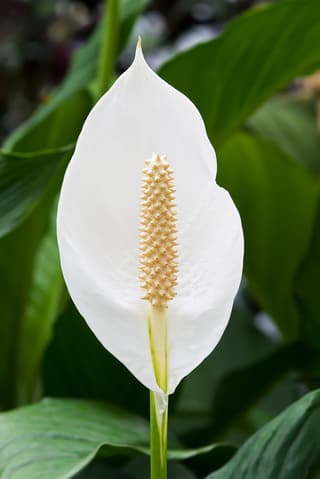
| Peace Lily | Easy | Low light | 4d | ⚠️ |
| Swiss Cheese Plant | Easy | Partial shade | 10d | ⚠️ |
| Golden Pothos | Easy | Low light | 8d | ⚠️ |
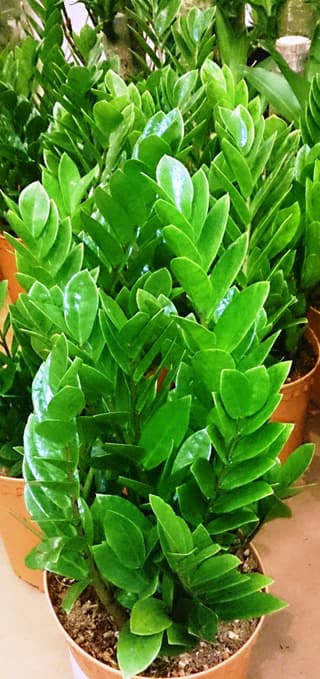
| ZZ Plant | Easy | Low light | 18d | ⚠️ |