Bromeliaceae
Air Plant (Tillandsia): The Soil-Free Epiphyte from the Americas
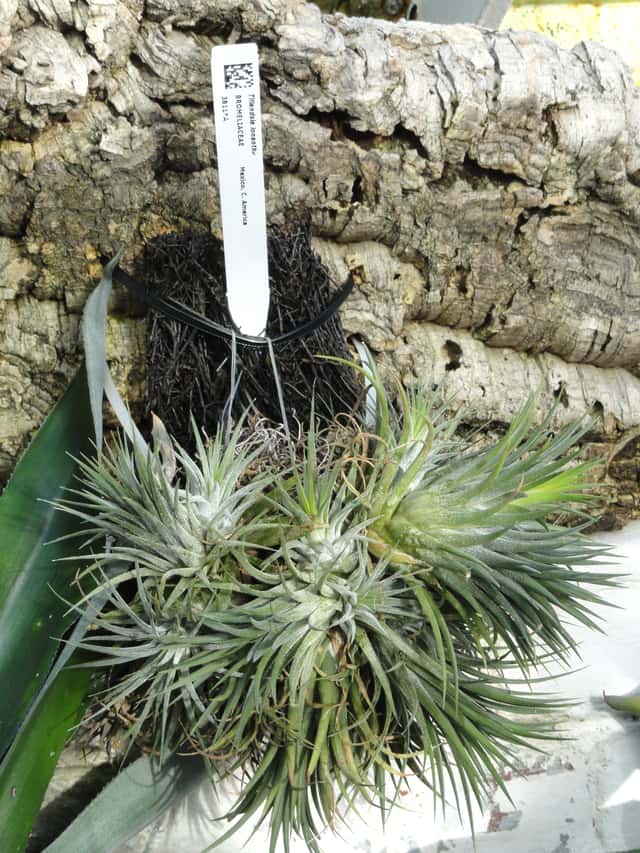
Tillandsia sp
Air plants are ideal for beginners: no pot or soil needed. They require bright indirect light, soaking in clean water for 20-30 minutes every 10-14 days, and good air circulation to prevent rot. Keep at 10-32°C with 50-80% humidity. Fertilize monthly with a bromeliad or air plant-specific fertilizer diluted to quarter strength.
Every 10 days
Partial shade
10° - 32°C
50% - 80%
Categories
What is Air Plant?
Air Plant (Tillandsia sp) is a easy-care plant from the Bromeliaceae family. Tillandsias, commonly known as air plants, belong to the Bromeliaceae family and represent its largest genus with over 660 species. Native to the tropical and subtropical Americas, from the southern United States to Argentina, these fascinating epiphytes require no soil to thrive. Instead, they abso...
Air Plant grows up to 50cm, with spread of 40cm, watering every 10 days, 10°C – 32°C, 50–80% humidity. It is suitable for indoor environments and safe for pets.
Unlike many tropical plants, Air Plant tolerates watering mistakes. Best for beginners. Unlike many popular species, Air Plant is safe to keep around pets. Without adequate drainage, root rot can develop within 20 days.
How to Care for Air Plant?
TLDR: Air Plant needs Partial shade, watering every 10 days, and temperatures between 10-32°C with 50-80% humidity.
How Often Should You Water Air Plant?
Submerge the air plant completely in room-temperature water for 20-30 minutes every 10-14 days. After soaking, gently shake off excess water and place upside down on a towel or rack to dry completely within 4 hours. Standing water trapped between leaves is the primary cause of rot. In very dry environments, mist 2-3 times per week as a supplement between soakings.
How Much Light Does Air Plant Need?
Place your air plant in a spot with bright, indirect light such as an east or west-facing window. Xeric varieties (fuzzy, grey-leafed types) can tolerate some direct morning sun, while mesic varieties (smoother, green-leafed types) prefer partial shade. Avoid harsh midday direct sunlight which can scorch leaves.
What Is the Best Soil for Air Plant?
No growing medium required. Mount on cork bark, driftwood, volcanic rock, or place in decorative holders. Avoid closed containers or terrariums without ventilation that prevent proper drying after watering.
What Pot Should You Use for Air Plant?
No pot required. Mount on cork sheets, driftwood, or volcanic rock using nylon thread or plant-safe adhesive. They can also be displayed in open glass globes, ceramic holders, or wire frames that allow full airflow.
Care Schedule
Fertilize
Every 30 days
Misting
Every 7 days
What Is Air Plant and Where Does It Come From?
Tillandsias, commonly known as air plants, belong to the Bromeliaceae family and represent its largest genus with over 660 species. Native to the tropical and subtropical Americas, from the southern United States to Argentina, these fascinating epiphytes require no soil to thrive. Instead, they absorb water and nutrients directly from the air through specialized leaf structures called trichomes. Their ability to adapt to diverse environments—from tropical rainforests and cloud forests to arid deserts and rocky mountainsides—makes them among the most versatile and unique plants in the world.
How to Propagate Air Plant?
Pup Separation
This is the easiest and most reliable propagation method. A mother plant typically produces 2-8 pups during its lifetime. Be patient—the larger the pup at separation, the better it will establish.
- 1 Wait until the pup reaches at least one-third the size of the mother plant
- 2 Gently twist the pup sideways to separate it from the mother
- 3 Allow the separation point to dry for a few hours before repositioning
- 4 Place the pup in a suitable holder or mount it on a display surface
Materials needed:
Seed Propagation
A slow and tedious process not recommended for beginners. Seeds are tiny and delicate and require months before any visible growth occurs.
- 1 Collect seeds when the seed capsule is mature and naturally splitting open
- 2 Distribute seeds over damp moss or a sponge
- 3 Keep in a humid environment with good indirect light
- 4 Wait for germination and plantlet development over several months
Materials needed:
How Big Does Air Plant Grow?
TLDR: Air Plant can reach up to 50cm tall with Medium growth rate.
Max height
50cm
Spread
40cm
Growth rate
Medium
Foliage
Evergreen
Plant Uses
Ornamental
Great for decoration
Is your plant showing symptoms?
Click on the symptom to discover possible causes:
What Diseases Commonly Affect Air Plant?
TLDR: Air Plant is susceptible to 13 known diseases. Monitor regularly for early detection.
Overwatering
Overwatering occurs when plants receive too much water, depriving roots of oxygen and causing root rot. This environmental stress is one of the most common causes of houseplant death, as waterlogged soil prevents roots from breathing and functioning properly.
Root Rot
Root rot is a serious fungal disease that affects the root system of plants, causing them to decay and die. It is primarily caused by overwatering, poor drainage, or soil-borne fungi such as Pythium, Phytophthora, Rhizoctonia, and Fusarium. The disease thrives in waterlogged conditions where roots are deprived of oxygen, making them susceptible to fungal infection.
Poor Air Circulation
Poor air circulation is an environmental stress condition that occurs when plants lack adequate airflow around their foliage and stems. Stagnant air creates a microenvironment that promotes moisture buildup, depletes available CO2, and weakens plant defenses against fungal diseases and pests. This is especially common with densely packed indoor plants or plants placed in corners with limited ventilation.
Spider Mites
Spider mites are tiny arachnids (less than 1/20 inch long) related to spiders and ticks that feed on plant sap. They thrive in hot, dry conditions and can cause significant damage to ornamental and vegetable plants. During severe infestations, crop losses can reach 14% or higher as these pests disrupt vital plant processes including photosynthesis, carbon dioxide absorption, and transpiration.
Meaning & Symbolism
Air plants symbolize freedom, adaptability, and resilience—living without roots in the ground and drawing everything they need from the surrounding air. They represent the ability to thrive in adversity and are often associated with a free-spirited, independent nature.
Fun Facts
Tillandsia is the largest genus in the Bromeliaceae family, with over 660 species.
They absorb water and nutrients through microscopic structures on their leaves called trichomes—no roots needed for survival.
Air plants can survive in deserts, rainforests, and mid-altitude mountains thanks to extraordinary adaptability.
Each plant blooms only once in its lifetime, but produces 2-8 pups before dying.
Frequently asked questions
How often should I water my air plant?
Are air plants toxic to cats or dogs?
Why are the leaves of my air plant turning brown?
Can I keep an air plant in a terrarium?
How will I know when my Tillandsia is going to bloom?
Compare with similar plants
| Attribute | Difficulty | Light | Watering | Pet Safe |
|---|---|---|---|---|
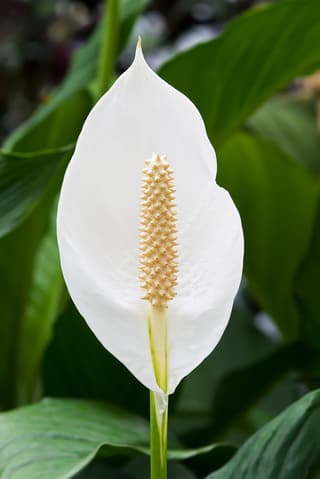
| Peace Lily | Easy | Low light | 4d | ⚠️ |
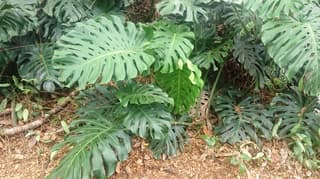
| Swiss Cheese Plant | Easy | Partial shade | 10d | ⚠️ |
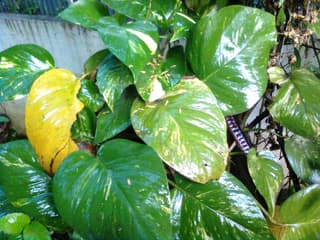
| Golden Pothos | Easy | Low light | 8d | ⚠️ |
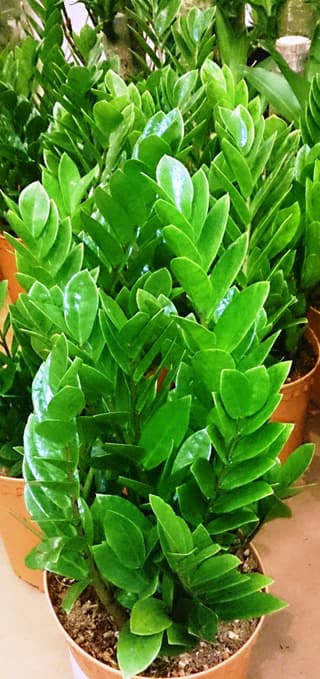
| ZZ Plant | Easy | Low light | 18d | ⚠️ |