Lamiaceae
Bugleweed (Ajuga reptans): The Perfect Shade Ground Cover
Ajuga reptans
Easy to grow, bugleweed is ideal for shaded areas where other ground covers fail. It prefers partial to full shade, fertile and well-drained soil with a slightly acidic pH (4.5–6.5). Water regularly but avoid waterlogging. It spreads quickly; space plants 12–18 inches apart to prevent crown rot. Fertilization is rarely needed in fertile soils.
Every 7 days
Partial shade
-20° - 30°C
40% - 70%
Categories
What is Bugleweed?
Bugleweed (Ajuga reptans) is a easy-care plant from the Lamiaceae family. Ajuga reptans, commonly known as Bugleweed or Carpet Bugle, is a low-growing perennial herb in the Lamiaceae family, native to Europe, northern Africa, and southwestern Asia. It forms a dense, compact mat of glossy, oval leaves with scalloped edges, spreading rapidly via stolons. In spring, it produ...
Bugleweed grows up to 30cm, with spread of 90cm, watering every 7 days, -20°C – 30°C, 40–70% humidity. It is not suitable for indoor environments and not safe for pets.
Unlike many tropical plants, Bugleweed tolerates watering mistakes. Best for beginners. Without precautions, ingestion can cause irritation in pets. Keep out of reach of cats and dogs.
How to Care for Bugleweed?
TLDR: Bugleweed needs Partial shade, watering every 7 days, and temperatures between -20-30°C with 40-70% humidity.
How Often Should You Water Bugleweed?
Water regularly to keep soil evenly moist, especially during the first months after planting. Once established, bugleweed tolerates moderate drought. Reduce watering in winter. Avoid wetting leaves and the crown to prevent rot. In very hot and dry periods, water 2 to 3 times per week.
How Much Light Does Bugleweed Need?
Bugleweed prefers partial to full shade. It tolerates morning sun but should be protected from intense afternoon sun, especially in hot climates, as leaves may scorch. In shaded spots, foliage remains more lush. Variegated and colored-leaf cultivars may need slightly more light to maintain vibrant colors.
What Is the Best Soil for Bugleweed?
Bugleweed prefers fertile, organically rich, well-draining soil with a pH between 4.5 and 6.5 (slightly acidic). It tolerates clay, sandy, and silty soils. Amend with compost at planting time. Avoid waterlogged or poorly drained soils, as these promote crown rot.
What Pot Should You Use for Bugleweed?
Wide, shallow containers with drainage holes in terracotta or ceramic work best for bugleweed, allowing good root aeration and preventing waterlogging. The spreading habit is well accommodated in broad pots. Use well-draining potting mix and never allow the pot to sit in standing water.
Care Schedule
Fertilize
Every 90 days
What Is Bugleweed and Where Does It Come From?
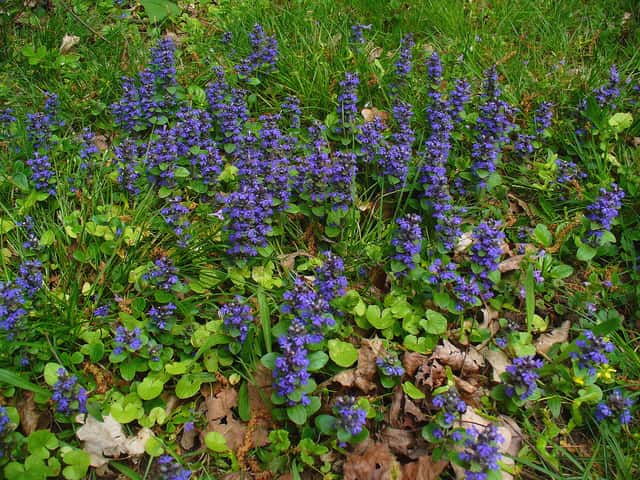
Ajuga reptans, commonly known as Bugleweed or Carpet Bugle, is a low-growing perennial herb in the Lamiaceae family, native to Europe, northern Africa, and southwestern Asia. It forms a dense, compact mat of glossy, oval leaves with scalloped edges, spreading rapidly via stolons. In spring, it produces spikes of blue-violet, white, or pink flowers highly attractive to pollinators. It is one of the most versatile and hardy ground covers available, thriving in shady spots where grass and other plants struggle.
How Big Does Bugleweed Grow?
TLDR: Bugleweed can reach up to 30cm tall with Fast growth rate.
Max height
30cm
Spread
90cm
Growth rate
Fast
Foliage
Semi-evergreen
Warning: Toxic Plant
This plant can be toxic if ingested. Keep out of reach of:
Plant Uses
Ornamental
Great for decoration
Ground Cover
Soil coverage
Medicinal
Medicinal properties
Medicinal Uses
- Historically used in European folk medicine as an astringent and wound-healing herb.
- Contains anti-inflammatory compounds; traditionally used in teas for respiratory complaints.
- Some research suggests mild diuretic and hypotensive properties.
Is your plant showing symptoms?
Click on the symptom to discover possible causes:
What Diseases Commonly Affect Bugleweed?
TLDR: Bugleweed is susceptible to 10 known diseases. Monitor regularly for early detection.
Crown Rot
Crown rot is a serious fungal disease that attacks the crown (base) of the plant where the stem meets the soil. It is caused by various fungal pathogens including Phytophthora, Fusarium, and Rhizoctonia. The disease thrives in waterlogged conditions and can quickly spread to kill the entire plant if not addressed promptly.
Powdery Mildew
Powdery mildew is a common fungal disease caused by various fungi species including Erysiphe, Podosphaera, Oïdium, and Leveillula. It affects over 10,000 plant species worldwide. The disease thrives in warm, dry climates with high humidity and appears as a distinctive white powdery coating on plant surfaces.
Root-Knot Nematodes
Root-knot nematodes (Meloidogyne species) are microscopic roundworms that parasitize plant roots, causing characteristic galls or knots. These soil-borne pests are among the most economically damaging plant pathogens worldwide, affecting a wide range of ornamental and edible plants. The nematodes inject enzymes into root cells, causing abnormal swelling and disrupting water and nutrient uptake.
Aphids
Aphids are small, soft-bodied, pear-shaped insects (1/16 to 1/8 inch long) that feed by sucking nutrient-rich sap from plants. They reproduce rapidly and can quickly weaken plants, causing distorted growth and transmitting plant viruses. Aphids come in various colors including green, black, red, yellow, brown, and gray. They secrete honeydew, a sticky substance that attracts ants and encourages sooty mold growth.
Meaning & Symbolism
Bugleweed symbolizes resilience and adaptability, thriving in dark, difficult conditions where other plants cannot survive. In European folk tradition, it was associated with protection and healing.
Fun Facts
Bugleweed is one of the oldest ground cover plants in European gardens, cultivated for centuries.
Its blue spring flowers are a vital early-season nectar source for bees and butterflies.
Like strawberries, bugleweed spreads via runners (stolons), knitting together a dense carpet over time.
Bugleweed is exceptionally cold-hardy, surviving temperatures as low as -20°C (−4°F).
There are over 40 named cultivars of Ajuga reptans, with foliage ranging from deep purple to cream variegation.
Frequently asked questions
Is bugleweed toxic to pets?
Can bugleweed grow in full shade?
How often should I water bugleweed?
Will bugleweed become invasive?
When does bugleweed bloom?
Compare with similar plants
| Attribute | Difficulty | Light | Watering | Pet Safe |
|---|---|---|---|---|
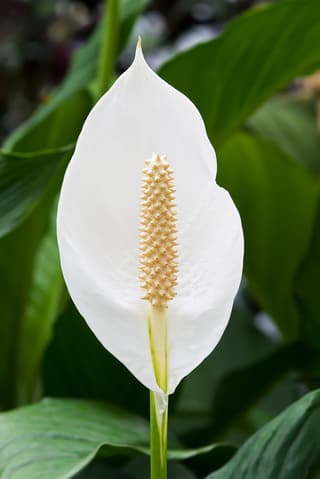
| Peace Lily | Easy | Low light | 4d | ⚠️ |
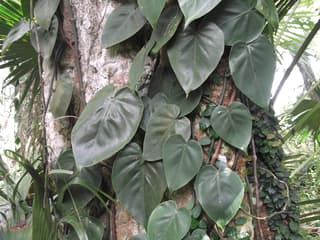
| Swiss Cheese Plant | Easy | Partial shade | 10d | ⚠️ |
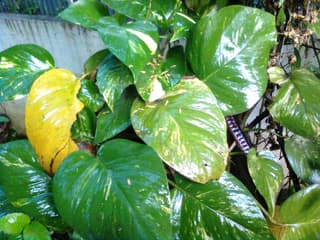
| Golden Pothos | Easy | Low light | 8d | ⚠️ |
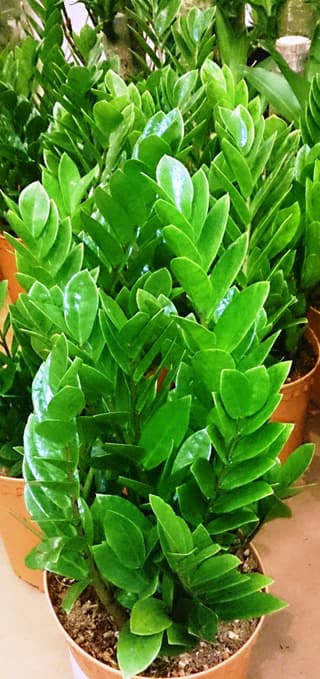
| ZZ Plant | Easy | Low light | 18d | ⚠️ |