Lamiaceae
African Basil – The Medicinal Herb of Africa and Brazil
Ocimum gratissimum
Hardy and easy to grow. Thrives in full sun and well-draining soil. Water every 4-6 days when the top inch of soil is partially dry. Fertilize with organic compost monthly. Prune regularly to maintain bushy growth and encourage leaf production.
Every 5 days
Direct sun
15° - 38°C
50% - 80%
Categories
What is African Basil?
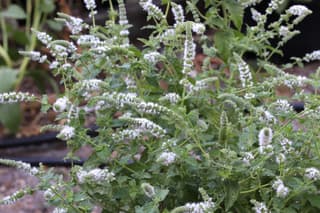
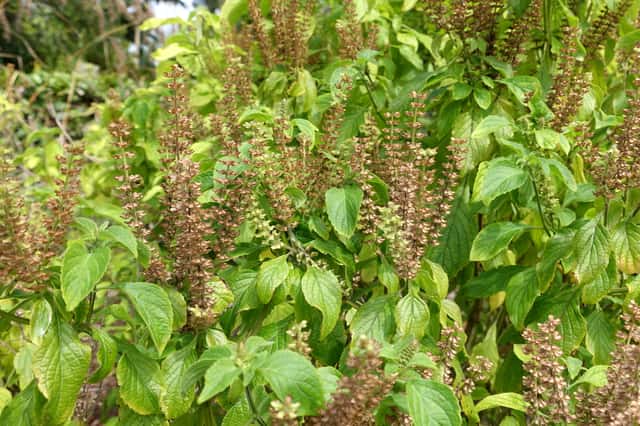
African Basil (Ocimum gratissimum) is a easy-care plant from the Lamiaceae family. African Basil (Ocimum gratissimum) is a woody, shrubby basil species native to Tropical Africa and Asia, widely cultivated in Brazil and West Africa. Unlike common basil, it grows into a large shrub up to 3 meters tall with strongly aromatic leaves rich in eugenol and thymol — giving it a clove-like...
African Basil grows up to 3.0m, spread of 150cm, watering every 5 days, 15°C – 38°C, 50–80% humidity. It is suitable for indoor environments and safe for pets.
Unlike many tropical plants, African Basil tolerates watering mistakes. Best for beginners. Unlike many popular species, African Basil is safe to keep around pets. Without adequate drainage, root rot can develop within 10 days.
How to Care for African Basil?
TLDR: African Basil needs Direct sun, watering every 5 days, and temperatures between 15-38°C with 50-80% humidity.
How Often Should You Water African Basil?
Water every 4-6 days when the top of the soil feels slightly dry. Avoid waterlogging as the plant is sensitive to root rot. Increase watering frequency during hot summer months.
How Much Light Does African Basil Need?
Requires full sun — at least 6-8 hours of direct sunlight daily. When grown indoors, place near a south or east-facing window. Insufficient light reduces aroma and leaf production.
What Is the Best Soil for African Basil?
Prefers well-draining, fertile soil with slightly acidic to neutral pH (6.0-8.0). Amend with coarse sand or perlite to ensure drainage. Avoid heavy clay or waterlogged soils.
What Pot Should You Use for African Basil?
Clay or ceramic pots with drainage holes are ideal for indoor cultivation. In gardens, plant directly in the ground. Use pots at least 30 cm deep to allow root development.
Care Schedule
Fertilize
Every 30 days
Repot
Every 365 days
What Is African Basil and Where Does It Come From?
African Basil (Ocimum gratissimum) is a woody, shrubby basil species native to Tropical Africa and Asia, widely cultivated in Brazil and West Africa. Unlike common basil, it grows into a large shrub up to 3 meters tall with strongly aromatic leaves rich in eugenol and thymol — giving it a clove-like scent. It is highly valued both as a culinary herb across West Africa and as a medicinal plant used to treat infections, fever, diabetes, and inflammation.
How to Propagate African Basil?
Stem Cutting
Change water every 2-3 days if rooting in water. Use sterilized scissors to prevent disease.
- 1 Cut a healthy stem 10-15 cm long with 3-4 pairs of leaves
- 2 Remove lower leaves leaving only 2-3 pairs at the top
- 3 Place in clean water or moist perlite mix
- 4 Keep in bright indirect light at temperatures above 20°C
- 5 Transplant when roots reach 3-5 cm
Materials needed:
Seed Sowing
Seeds germinate best with warmth and good light. Avoid overwatering during germination.
- 1 Spread seeds on moist, light substrate
- 2 Cover lightly with 0.5 cm of fine soil
- 3 Keep moist and warm (25-30°C)
- 4 Germination occurs in 7-14 days
- 5 Transplant seedlings when they reach 5-8 cm
Materials needed:
How Big Does African Basil Grow?
TLDR: African Basil can reach up to 3.0m tall with Fast growth rate.
Max height
3.0m
Spread
1.5m
Growth rate
Fast
Foliage
Evergreen
Plant Uses
Medicinal
Medicinal properties
Edible
Can be consumed
Aromatic
Pleasant fragrance
Ornamental
Great for decoration
Medicinal Uses
- Antibacterial and antifungal: essential oil rich in eugenol combats pathogenic bacteria and fungi
- Antiviral and expectorant: used in teas for cough, bronchitis, flu and colds
- Antidiabetic: studies indicate hypoglycemic potential
- Anti-inflammatory: relieves rheumatic pain and throat inflammation
- Antiparasitic: shows activity against protozoa such as Leishmania
- Antioxidant: rich in phenolic compounds that combat free radicals
Culinary Uses
- Aromatic seasoning in soups, beans, rice and meats in African and Brazilian cuisine
- Substitute for cloves in recipes due to its eugenol-rich aroma
- Used to flavor broths and sauces in West African dishes (Nigerian pepper soup)
- Leaf infusion as aromatic and digestive tea
- Essential oil used as a natural food preservative
Is your plant showing symptoms?
Click on the symptom to discover possible causes:
What Diseases Commonly Affect African Basil?
TLDR: African Basil is susceptible to 8 known diseases. Monitor regularly for early detection.
Root Rot
Root rot is a serious fungal disease that affects the root system of plants, causing them to decay and die. It is primarily caused by overwatering, poor drainage, or soil-borne fungi such as Pythium, Phytophthora, Rhizoctonia, and Fusarium. The disease thrives in waterlogged conditions where roots are deprived of oxygen, making them susceptible to fungal infection.
Powdery Mildew
Powdery mildew is a common fungal disease caused by various fungi species including Erysiphe, Podosphaera, Oïdium, and Leveillula. It affects over 10,000 plant species worldwide. The disease thrives in warm, dry climates with high humidity and appears as a distinctive white powdery coating on plant surfaces.
Damping Off
Damping off is a soil-borne fungal disease that affects seeds and young seedlings, causing rotting of stem and root tissues at and below the soil line. It is caused by several fungi including Pythium, Rhizoctonia, Fusarium, and Phytophthora. The disease thrives in cold, wet conditions with poor air circulation.
Aphids
Aphids are small, soft-bodied, pear-shaped insects (1/16 to 1/8 inch long) that feed by sucking nutrient-rich sap from plants. They reproduce rapidly and can quickly weaken plants, causing distorted growth and transmitting plant viruses. Aphids come in various colors including green, black, red, yellow, brown, and gray. They secrete honeydew, a sticky substance that attracts ants and encourages sooty mold growth.
Meaning & Symbolism
In African and Brazilian folk traditions, African Basil is a symbol of purity and protection. It is used in Afro-Brazilian spiritual cleansing rituals and is associated with health and well-being.
Fun Facts
The essential oil of African Basil can contain up to 80% eugenol — the same aromatic compound found in cloves
In Nigeria, the leaves (called "efirin" or "scent leaf") are an indispensable ingredient in traditional pepper soup
The plant can reach 3 meters tall in ideal tropical conditions — much larger than common basil varieties
Scientific research confirms its activity against Leishmania, the parasite responsible for leishmaniasis
Frequently asked questions
How often should I water African Basil?
Does African Basil need full sun?
What are the medicinal uses of African Basil?
How do I make African Basil tea?
Is African Basil toxic?
Compare with similar plants
| Attribute | Difficulty | Light | Watering | Pet Safe |
|---|---|---|---|---|
| Field Maple | Easy | Bright indirect | 14d | ✓ |
| Silver Birch | Easy | Direct sun | 14d | ✓ |
| Cushion Bush | Easy | Direct sun | 14d | ✓ |
| Peruvian peppertree | Easy | Direct sun | 14d | ⚠️ |