Lamiaceae
Coastal Rosemary (Westringia fruticosa)
Westringia fruticosa
Coastal Rosemary is an extremely low-maintenance shrub once established. It thrives in full sun, tolerates drought, salt spray, and coastal winds. Water sparingly — the plant dislikes wet feet. Prune lightly after flowering to maintain shape. Fertilize occasionally with a low-phosphorus native plant fertilizer.
Every 10 days
Bright indirect
-5° - 40°C
30% - 70%
Categories
What is Coastal Rosemary?
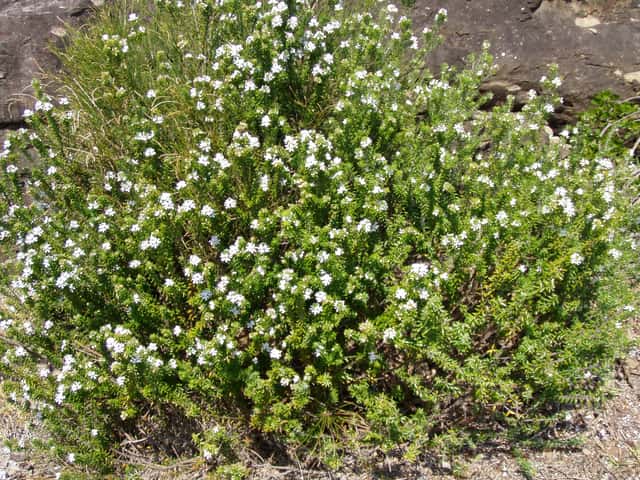
Coastal Rosemary (Westringia fruticosa) is a easy-care plant from the Lamiaceae family. Westringia fruticosa, commonly known as Coastal Rosemary, is a hardy evergreen shrub native to coastal areas of southeastern Australia. Despite its common name and rosemary-like foliage, it is not related to true rosemary but belongs to the mint family (Lamiaceae). It produces an abundance of small...
Coastal Rosemary grows up to 2.0m, with spread of 450cm, watering every 10 days, -5°C – 40°C, 30–70% humidity. It is not suitable for indoor environments and safe for pets.
Unlike many tropical plants, Coastal Rosemary tolerates watering mistakes. Best for beginners. Unlike many popular species, Coastal Rosemary is safe to keep around pets.
How to Care for Coastal Rosemary?
TLDR: Coastal Rosemary needs Bright indirect, watering every 10 days, and temperatures between -5-40°C with 30-70% humidity.
How Often Should You Water Coastal Rosemary?
Water every 7-14 days during establishment. Once established, Coastal Rosemary is highly drought-tolerant and may only need watering during extended dry spells. Avoid overwatering as this can cause root rot. Ensure soil drains freely.
How Much Light Does Coastal Rosemary Need?
Plant in full sun for the best flowering and growth. Coastal Rosemary tolerates partial shade but may produce fewer flowers and grow more slowly. It performs excellently in open, sunny spots, including exposed coastal positions.
What Is the Best Soil for Coastal Rosemary?
Requires well-draining soil. Tolerates sandy, loamy, and even rocky soils. Avoid heavy clay or waterlogged soils. A slightly acidic to neutral pH (6.0-7.0) is ideal. Avoid high-phosphorus fertilizers, which can cause nutrient imbalances in native Australian plants.
What Pot Should You Use for Coastal Rosemary?
Terracotta or ceramic pots with drainage holes are ideal for container growing. Avoid plastic pots that retain excess moisture. Use a well-draining native potting mix.
Care Schedule
Fertilize
Every 60 days
What Is Coastal Rosemary and Where Does It Come From?
Westringia fruticosa, commonly known as Coastal Rosemary, is a hardy evergreen shrub native to coastal areas of southeastern Australia. Despite its common name and rosemary-like foliage, it is not related to true rosemary but belongs to the mint family (Lamiaceae). It produces an abundance of small white to lavender flowers almost year-round, making it a popular ornamental shrub in Australian and Mediterranean-style gardens.
How to Propagate Coastal Rosemary?
Stem Cutting
Take cuttings in spring or early summer for best results. Keep cuttings out of direct sun until rooted. Covering with a plastic bag can help retain humidity.
- 1 Select a healthy, non-flowering stem tip about 10-15 cm long
- 2 Remove lower leaves, leaving 2-3 at the tip
- 3 Dip the cut end in rooting hormone powder
- 4 Insert into a moist, well-draining propagation mix (perlite and peat)
- 5 Place in a warm spot with indirect light and keep moist
- 6 Transplant to larger pot or garden once roots develop after 6-8 weeks
Materials needed:
How Big Does Coastal Rosemary Grow?
TLDR: Coastal Rosemary can reach up to 2.0m tall with Fast growth rate.
Max height
2.0m
Spread
4.5m
Growth rate
Fast
Foliage
Evergreen
Plant Uses
Ornamental
Great for decoration
Ground Cover
Soil coverage
Is your plant showing symptoms?
Click on the symptom to discover possible causes:
What Diseases Commonly Affect Coastal Rosemary?
TLDR: Coastal Rosemary is susceptible to 8 known diseases. Monitor regularly for early detection.
Root Rot
Root rot is a serious fungal disease that affects the root system of plants, causing them to decay and die. It is primarily caused by overwatering, poor drainage, or soil-borne fungi such as Pythium, Phytophthora, Rhizoctonia, and Fusarium. The disease thrives in waterlogged conditions where roots are deprived of oxygen, making them susceptible to fungal infection.
Overwatering
Overwatering occurs when plants receive too much water, depriving roots of oxygen and causing root rot. This environmental stress is one of the most common causes of houseplant death, as waterlogged soil prevents roots from breathing and functioning properly.
Iron Deficiency
Iron deficiency, commonly known as iron chlorosis, is a nutrient deficiency disorder where plants cannot access sufficient iron from the soil. While iron is typically abundant in soil, various soil conditions can limit plant uptake, resulting in characteristic yellowing of leaves while veins remain green.
Soil pH Imbalance
Soil pH imbalance occurs when soil becomes too acidic (low pH < 6.0) or too alkaline (high pH > 7.5), preventing plants from absorbing essential nutrients. The ideal pH range for most plants is 6.5-7.5. When pH is outside this range, nutrients become chemically locked in the soil, leading to deficiency symptoms even when nutrients are present.
Meaning & Symbolism
In Australia, Coastal Rosemary is a symbol of coastal resilience and adaptability, often used to represent the beauty of the Australian bush and seaside landscape.
Fun Facts
Westringia fruticosa flowers almost all year round, making it one of the longest-blooming native Australian shrubs.
Despite being called Coastal Rosemary, it has no culinary use and does not smell like rosemary.
It is one of the most salt-tolerant native shrubs, able to grow right on the seafront in coastal gardens.
Fast-growing cultivars can reach 1-2 metres in height within just a few years.
Frequently asked questions
How often should I water Coastal Rosemary?
Can Coastal Rosemary be grown in a pot?
Is Coastal Rosemary toxic to pets?
How do I prune Coastal Rosemary?
Why are the leaves on my Coastal Rosemary turning yellow?
Compare with similar plants
| Attribute | Difficulty | Light | Watering | Pet Safe |
|---|---|---|---|---|
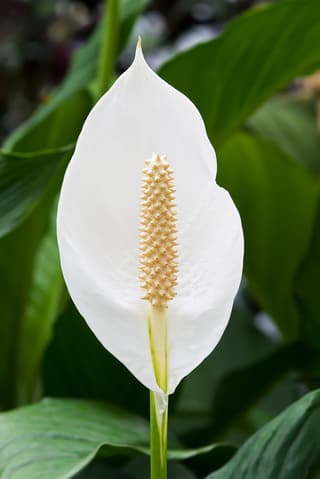
| Peace Lily | Easy | Low light | 4d | ⚠️ |
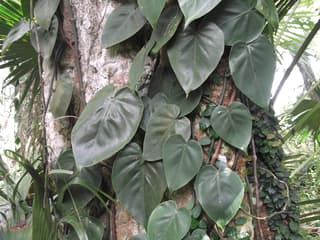
| Swiss Cheese Plant | Easy | Partial shade | 10d | ⚠️ |
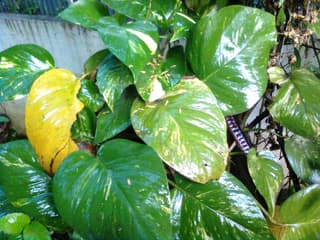
| Golden Pothos | Easy | Low light | 8d | ⚠️ |
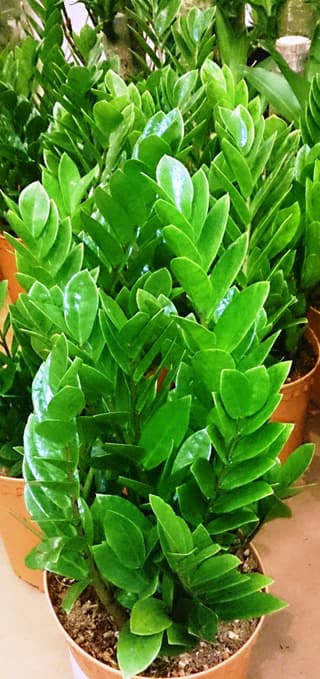
| ZZ Plant | Easy | Low light | 18d | ⚠️ |