Asphodelaceae
Aloe — Complete Guide to Growing & Caring for the Aloe Genus
Aloe
Aloe is an incredibly resilient and easy-to-grow succulent. It requires infrequent watering, well-draining soil, and plenty of bright light. Perfect for beginners and low-humidity environments.
Every 14 days
Bright indirect
4° - 40°C
20% - 50%
Categories
What is Aloe?
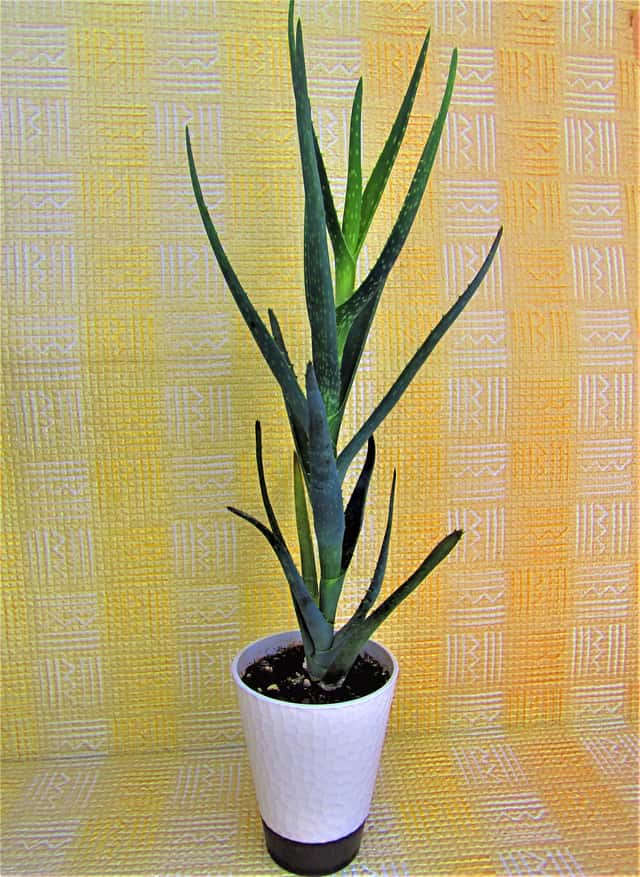
Aloe (Aloe) is a easy-care plant from the Asphodelaceae family. Aloe is a genus of over 500 species of succulent flowering plants native primarily to Africa, Madagascar, and the Indian Ocean islands. These robust plants form rosettes of thick, fleshy, water-storing leaves often with serrated margins. They are widely cultivated worldwide as ornamental and medicin...
Aloe grows up to 3.0m, spread of 100cm, watering every 14 days, 4°C – 40°C, 20–50% humidity. It is suitable for indoor environments and not safe for pets.
Unlike many tropical plants, Aloe tolerates watering mistakes. Best for beginners. Without precautions, ingestion can cause irritation in pets. Keep out of reach of cats and dogs. Without adequate drainage, root rot can develop within 28 days.
How to Care for Aloe?
TLDR: Aloe needs Bright indirect, watering every 14 days, and temperatures between 4-40°C with 20-50% humidity.
How Often Should You Water Aloe?
Water deeply but infrequently, allowing the soil to dry out completely between waterings — approximately every 14 days in summer and even less in winter. Overwatering is the most common cause of Aloe failure.
How Much Light Does Aloe Need?
Aloe thrives in bright direct or indirect sunlight. Place near south- or west-facing windows. It can tolerate partial shade but grows best with at least 6 hours of light daily.
What Is the Best Soil for Aloe?
Use a well-draining succulent or cactus mix amended with perlite or coarse sand. Avoid heavy soils that retain moisture.
What Pot Should You Use for Aloe?
Terracotta or clay pots are ideal for evaporating excess moisture. Always use pots with drainage holes.
Care Schedule
Fertilize
Every 90 days
Rotate
Every 7 days
Repot
Every 730 days
What Is Aloe and Where Does It Come From?
Aloe is a genus of over 500 species of succulent flowering plants native primarily to Africa, Madagascar, and the Indian Ocean islands. These robust plants form rosettes of thick, fleshy, water-storing leaves often with serrated margins. They are widely cultivated worldwide as ornamental and medicinal plants.
How Big Does Aloe Grow?
TLDR: Aloe can reach up to 3.0m tall with Slow growth rate.
Max height
3.0m
Spread
1.0m
Growth rate
Slow
Foliage
Evergreen
Warning: Toxic Plant
This plant can be toxic if ingested. Keep out of reach of:
Plant Uses
Ornamental
Great for decoration
Medicinal
Medicinal properties
Medicinal Uses
- Treatment of burns and skin irritations
- Wound healing and moisturizing
- Relief from sunburn and insect bites
- Ingredient in cosmetic creams and lotions
Culinary Uses
- Aloe gel used in health juices and functional drinks
- Ingredient in smoothies and wellness beverages
Is your plant showing symptoms?
Click on the symptom to discover possible causes:
What Diseases Commonly Affect Aloe?
TLDR: Aloe is susceptible to 14 known diseases. Monitor regularly for early detection.
Root Rot
Root rot is a serious fungal disease that affects the root system of plants, causing them to decay and die. It is primarily caused by overwatering, poor drainage, or soil-borne fungi such as Pythium, Phytophthora, Rhizoctonia, and Fusarium. The disease thrives in waterlogged conditions where roots are deprived of oxygen, making them susceptible to fungal infection.
Overwatering
Overwatering occurs when plants receive too much water, depriving roots of oxygen and causing root rot. This environmental stress is one of the most common causes of houseplant death, as waterlogged soil prevents roots from breathing and functioning properly.
Crown Rot
Crown rot is a serious fungal disease that attacks the crown (base) of the plant where the stem meets the soil. It is caused by various fungal pathogens including Phytophthora, Fusarium, and Rhizoctonia. The disease thrives in waterlogged conditions and can quickly spread to kill the entire plant if not addressed promptly.
Scale Insects
Scale insects are small sap-sucking pests that appear as brown, shell-like bumps on plant stems and leaves. There are over 25 species, divided into armored (hard) and unarmored (soft) scales. They feed by piercing plant tissue and extracting sap, which weakens the plant and can lead to yellowing, stunted growth, and even death if left untreated. They also excrete honeydew, which attracts ants and promotes sooty mold growth.
Meaning & Symbolism
Across African and Mediterranean cultures, Aloe symbolizes healing, protection, and resilience. It is often planted near doorways to bring protection to the household.
Fun Facts
The Aloe genus contains over 560 described species, with Aloe vera being the most widely cultivated and commercially important.
Cleopatra reportedly used Aloe gel in her beauty routine over 2,000 years ago.
Aloe uses CAM photosynthesis, opening its pores only at night to minimize water loss.
Some Aloe species can live for decades and grow taller than 3 meters in their native habitat.
Frequently asked questions
How often should I water my Aloe?
Can Aloe grow indoors?
Why are my Aloe leaves turning soft and yellow?
Is Aloe toxic to pets?
Compare with similar plants
| Attribute | Difficulty | Light | Watering | Pet Safe |
|---|---|---|---|---|
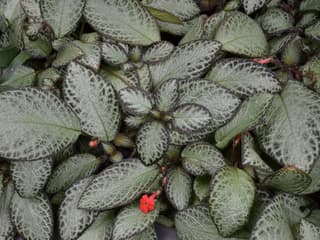
| Flame Violet | Easy | Partial shade | 7d | ✓ |
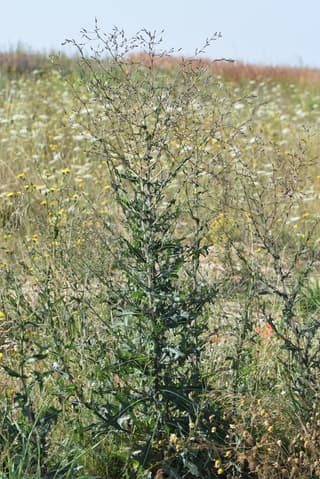
| Prickly Lettuce | Easy | Direct sun | 7d | ✓ |
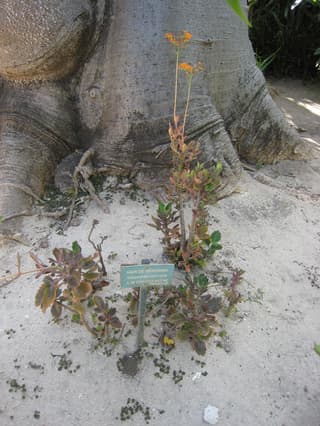
| Christmas Tree Plant | Easy | Bright indirect | 10d | ⚠️ |
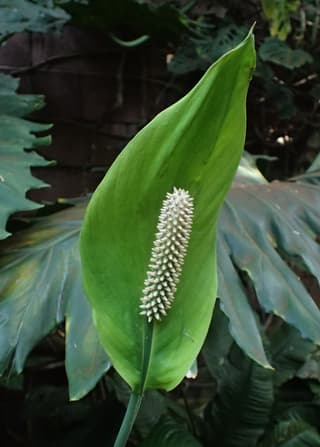
| Peace Lily | Easy | Low light | 7d | ⚠️ |