Zingiberaceae
Alpinia / Ginger Lily: Genus Care Guide
Alpinia
Easy-care tropical genus that thrives in bright indirect light or partial sun, rich well-draining soil, and high humidity. Water regularly without waterlogging. Perfect for tropical gardens in zones 9-12 or as indoor plants in humid environments.
Every 6 days
Partial shade
15° - 35°C
50% - 80%
Categories
What is Alpinia / Ginger Lily (genus)?
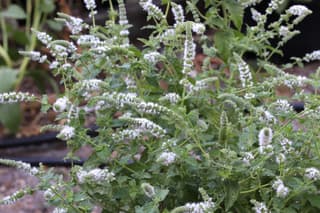
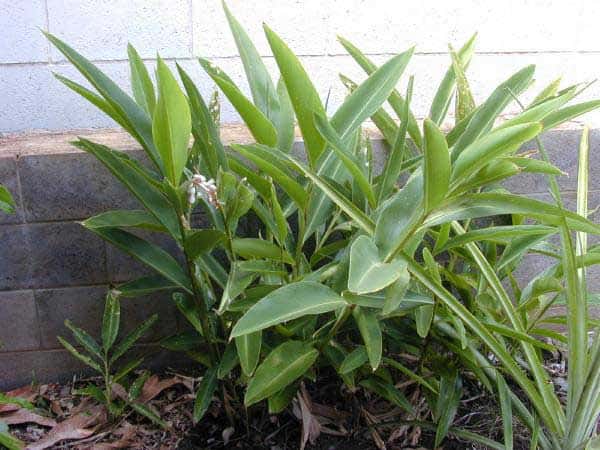
Alpinia / Ginger Lily (genus) (Alpinia) is a easy-care plant from the Zingiberaceae family. The genus Alpinia comprises over 200 species of tropical plants in the family Zingiberaceae, native primarily to tropical Asia and the Pacific. It includes popular ornamentals such as A. zerumbet (shell ginger) and A. purpurata (red ginger), as well as culinary and medicinal species like A. galanga...
Alpinia / Ginger Lily (genus) grows up to 3.0m, spread of 150cm, watering every 6 days, 15°C – 35°C, 50–80% humidity. It is suitable for indoor environments and safe for pets.
Unlike many tropical plants, Alpinia / Ginger Lily (genus) tolerates watering mistakes. Best for beginners. Unlike many popular species, Alpinia / Ginger Lily (genus) is safe to keep around pets. Without adequate drainage, root rot can develop within 12 days.
How to Care for Alpinia / Ginger Lily (genus)?
TLDR: Alpinia / Ginger Lily (genus) needs Partial shade, watering every 6 days, and temperatures between 15-35°C with 50-80% humidity.
How Often Should You Water Alpinia / Ginger Lily (genus)?
Water every 5-7 days, keeping soil consistently moist but never soggy. Reduce frequency in winter. Mist foliage regularly to maintain tropical humidity levels.
How Much Light Does Alpinia / Ginger Lily (genus) Need?
Prefers bright indirect light or partial sun (4-6 hours). Indoors, place near a bright window. Avoid intense direct afternoon sun which can scorch the large leaves.
What Is the Best Soil for Alpinia / Ginger Lily (genus)?
Use rich, well-draining organic mix — equal parts potting soil, perlite, and compost works well. pH between 5.5 and 7.0.
What Pot Should You Use for Alpinia / Ginger Lily (genus)?
Large ceramic or terracotta pots that retain some moisture. Ensure excellent drainage with a gravel layer at the bottom.
Care Schedule
Fertilize
Every 30 days
Misting
Every 3 days
Repot
Every 730 days
What Is Alpinia / Ginger Lily (genus) and Where Does It Come From?
The genus Alpinia comprises over 200 species of tropical plants in the family Zingiberaceae, native primarily to tropical Asia and the Pacific. It includes popular ornamentals such as A. zerumbet (shell ginger) and A. purpurata (red ginger), as well as culinary and medicinal species like A. galanga (greater galangal).
How to Propagate Alpinia / Ginger Lily (genus)?
Rhizome Division
Divide in spring during active growth. Keep humidity high after planting and avoid direct sun until established.
- 1 Remove the plant from its pot or carefully dig it up from the ground
- 2 Locate healthy rhizomes with visible growth buds
- 3 Divide rhizomes with a sterilized knife, ensuring at least one growth bud per division
- 4 Allow cut surfaces to dry for 30 minutes to form a callus
- 5 Plant in moist, rich substrate and keep in a shaded spot until new growth appears
Materials needed:
How Big Does Alpinia / Ginger Lily (genus) Grow?
TLDR: Alpinia / Ginger Lily (genus) can reach up to 3.0m tall with Fast growth rate.
Max height
3.0m
Spread
1.5m
Growth rate
Fast
Foliage
Evergreen
Plant Uses
Ornamental
Great for decoration
Medicinal
Medicinal properties
Edible
Can be consumed
Aromatic
Pleasant fragrance
Medicinal Uses
- A. galanga rhizome used in traditional Asian medicine for digestive issues and respiratory infections
- A. zerumbet has documented anti-inflammatory and antioxidant properties
Culinary Uses
- Greater galangal (A. galanga) is a staple ingredient in Thai, Indonesian, and Malaysian cuisines
- Aromatic leaves used to wrap and flavor foods across Southeast Asia
Is your plant showing symptoms?
Click on the symptom to discover possible causes:
What Diseases Commonly Affect Alpinia / Ginger Lily (genus)?
TLDR: Alpinia / Ginger Lily (genus) is susceptible to 6 known diseases. Monitor regularly for early detection.
Root Rot
Root rot is a serious fungal disease that affects the root system of plants, causing them to decay and die. It is primarily caused by overwatering, poor drainage, or soil-borne fungi such as Pythium, Phytophthora, Rhizoctonia, and Fusarium. The disease thrives in waterlogged conditions where roots are deprived of oxygen, making them susceptible to fungal infection.
Leaf Spot
Leaf spot is a common fungal disease caused by various pathogens including Alternaria, Ascochyta, Colletotrichum, Septoria, and Venturia. It primarily affects leaves, causing discolored spots that can lead to premature leaf drop if left untreated.
Fusarium Wilt
Fusarium wilt is a serious fungal disease caused by the soil-borne fungus Fusarium oxysporum. The fungus invades roots and blocks the water-conducting vessels (xylem) of the plant, causing progressive wilting and eventual death. Host-specific forms of the pathogen exist that attack different plant species.
Scale Insects
Scale insects are small sap-sucking pests that appear as brown, shell-like bumps on plant stems and leaves. There are over 25 species, divided into armored (hard) and unarmored (soft) scales. They feed by piercing plant tissue and extracting sap, which weakens the plant and can lead to yellowing, stunted growth, and even death if left untreated. They also excrete honeydew, which attracts ants and promotes sooty mold growth.
Meaning & Symbolism
Symbol of tropical abundance and exotic beauty throughout Asian cultures.
Fun Facts
The Alpinia genus contains over 200 species spread across tropical Asia and the Pacific Islands
Greater galangal (A. galanga) has been a cornerstone ingredient in Southeast Asian cooking for over 1,000 years
Shell ginger (A. zerumbet) produces cascading shell-shaped flower clusters that open progressively along the stem
Several Alpinia species contain compounds with scientifically proven antimicrobial and anti-inflammatory properties
Frequently asked questions
How often should I water Alpinia?
Is Alpinia toxic to cats and dogs?
Can Alpinia be grown indoors?
What hardiness zones suit Alpinia?
How fast does Alpinia grow?
Compare with similar plants
| Attribute | Difficulty | Light | Watering | Pet Safe |
|---|---|---|---|---|
| Field Maple | Easy | Bright indirect | 14d | ✓ |
| Silver Birch | Easy | Direct sun | 14d | ✓ |
| Cushion Bush | Easy | Direct sun | 14d | ✓ |
| Peruvian peppertree | Easy | Direct sun | 14d | ⚠️ |