Amaranthaceae
Brazilian Joyweed: Ground Cover Plant
Alternanthera brasiliana
An easy-to-grow plant that requires full sun to maintain its intense purple color and frequent watering to keep the soil moist.
Every 5 days
Bright indirect
10° - 35°C
30% - 60%
Categories
What is Brazilian Joyweed?
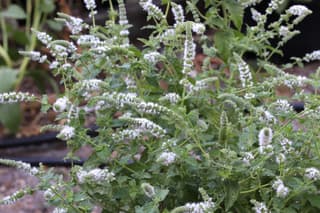
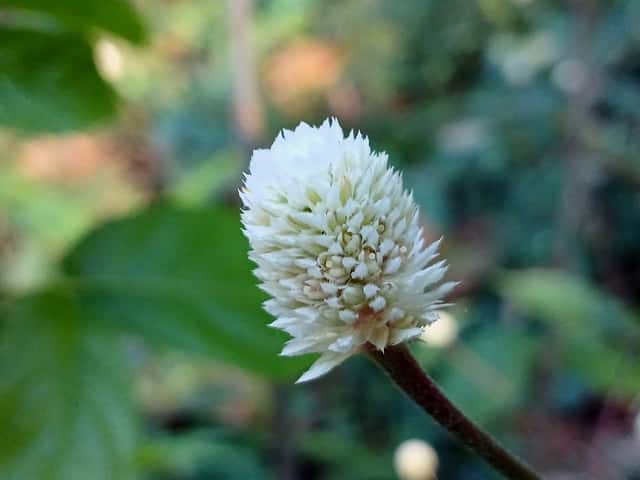
Brazilian Joyweed (Alternanthera brasiliana) is a easy-care plant from the Amaranthaceae family. Alternanthera brasiliana is a perennial herbaceous plant native to Brazil, famous for its vibrant purple foliage. It is widely used in landscaping to create color contrasts in borders and mass plantings. Its leaves are opposite and oval, and the plant produces small white flowers clustered in globos...
Brazilian Joyweed grows up to 1.0m, spread of 80cm, watering every 5 days, 10°C – 35°C, 30–60% humidity. It is suitable for indoor environments and safe for pets.
Unlike many tropical plants, Brazilian Joyweed tolerates watering mistakes. Best for beginners. Unlike many popular species, Brazilian Joyweed is safe to keep around pets. Without adequate drainage, root rot can develop within 10 days.
How to Care for Brazilian Joyweed?
TLDR: Brazilian Joyweed needs Bright indirect, watering every 5 days, and temperatures between 10-35°C with 30-60% humidity.
How Often Should You Water Brazilian Joyweed?
Keep the soil consistently moist, but avoid waterlogging. During periods of intense heat, the plant may require daily watering.
How Much Light Does Brazilian Joyweed Need?
Direct sunlight is essential; in low-light conditions, the plant loses its characteristic purple hue and the leaves turn greenish.
What Is the Best Soil for Brazilian Joyweed?
Use soil rich in organic matter with good drainage to promote fast and healthy growth.
What Pot Should You Use for Brazilian Joyweed?
Can be grown in plastic or clay pots with drainage holes, or directly in the ground as a groundcover.
Care Schedule
Fertilize
Every 14 days
Misting
Every 7 days
Rotate
Every 30 days
Repot
Every 365 days
What Is Brazilian Joyweed and Where Does It Come From?
Alternanthera brasiliana is a perennial herbaceous plant native to Brazil, famous for its vibrant purple foliage. It is widely used in landscaping to create color contrasts in borders and mass plantings. Its leaves are opposite and oval, and the plant produces small white flowers clustered in globose inflorescences. It is a hardy species with vigorous growth.
How to Propagate Brazilian Joyweed?
Stem cutting
- Keep the cutting in a well-lit area, but without direct sunlight, until the first roots develop.
- 1 Cut a branch
Select a healthy and vigorous branch about 4 to 6 inches (10 to 15 cm) long.
- 2 Prepare the cutting
Remove the leaves from the lower part of the branch, leaving only the top leaves to reduce transpiration.
- 3 Planting
Insert the base of the branch into a light substrate kept constantly moist or in a container with water.
Materials needed:
How Big Does Brazilian Joyweed Grow?
TLDR: Brazilian Joyweed can reach up to 1.0m tall with Medium growth rate.
Max height
1.0m
Spread
80cm
Growth rate
Medium
Foliage
Evergreen
Plant Uses
Ornamental
Great for decoration
Medicinal
Medicinal properties
Ground Cover
Soil coverage
Medicinal Uses
- Anti-inflammatory action
- Aid in respiratory problems
- Wound healing
Is your plant showing symptoms?
Click on the symptom to discover possible causes:
What Diseases Commonly Affect Brazilian Joyweed?
TLDR: Brazilian Joyweed is susceptible to 8 known diseases. Monitor regularly for early detection.
Root Rot
Root rot is a serious fungal disease that affects the root system of plants, causing them to decay and die. It is primarily caused by overwatering, poor drainage, or soil-borne fungi such as Pythium, Phytophthora, Rhizoctonia, and Fusarium. The disease thrives in waterlogged conditions where roots are deprived of oxygen, making them susceptible to fungal infection.
Powdery Mildew
Powdery mildew is a common fungal disease caused by various fungi species including Erysiphe, Podosphaera, Oïdium, and Leveillula. It affects over 10,000 plant species worldwide. The disease thrives in warm, dry climates with high humidity and appears as a distinctive white powdery coating on plant surfaces.
Leaf Spot
Leaf spot is a common fungal disease caused by various pathogens including Alternaria, Ascochyta, Colletotrichum, Septoria, and Venturia. It primarily affects leaves, causing discolored spots that can lead to premature leaf drop if left untreated.
Spider Mites
Spider mites are tiny arachnids (less than 1/20 inch long) related to spiders and ticks that feed on plant sap. They thrive in hot, dry conditions and can cause significant damage to ornamental and vegetable plants. During severe infestations, crop losses can reach 14% or higher as these pests disrupt vital plant processes including photosynthesis, carbon dioxide absorption, and transpiration.
Meaning & Symbolism
Represents the vivacity of tropical colors and healing through folk herbal knowledge.
Compare with similar plants
| Attribute | Difficulty | Light | Watering | Pet Safe |
|---|---|---|---|---|
| Field Maple | Easy | Bright indirect | 14d | ✓ |
| Silver Birch | Easy | Direct sun | 14d | ✓ |
| Cushion Bush | Easy | Direct sun | 14d | ✓ |
| Peruvian peppertree | Easy | Direct sun | 14d | ⚠️ |