Combretaceae
Tropical Almond (Terminalia)
Terminalia
Full-sun tree, drought-tolerant once established, suited to well-drained coastal and tropical soils. Fast-growing and low-maintenance.
Every 14 days
Direct sun
10° - 38°C
50% - 80%
Categories
What is Tropical Almond?
Tropical Almond (Terminalia) is a easy-care plant from the Combretaceae family. Terminalia is a genus of approximately 100 species of large tropical and subtropical trees in the family Combretaceae, found across coastal and inland tropical regions worldwide. Notable species include T. catappa (Tropical Almond), T. mantaly (Madagascar Umbrella Tree), and T. arjuna (Arjuna Tree),...
Tropical Almond grows up to 30.0m, spread of 1500cm, watering every 14 days, 10°C – 38°C, 50–80% humidity. It is not suitable for indoor environments and safe for pets.
Unlike many tropical plants, Tropical Almond tolerates watering mistakes. Best for beginners. Unlike many popular species, Tropical Almond is safe to keep around pets.
How to Care for Tropical Almond?
TLDR: Tropical Almond needs Direct sun, watering every 14 days, and temperatures between 10-38°C with 50-80% humidity.
How Often Should You Water Tropical Almond?
Water regularly during the first year to support root establishment. Once established, Terminalia is drought-tolerant — allow soil to dry between waterings. Avoid waterlogging.
How Much Light Does Tropical Almond Need?
Requires full sun — minimum 6 hours of direct sunlight per day. Not suited to shaded environments.
What Is the Best Soil for Tropical Almond?
Well-draining, light to sandy soil, slightly acidic to neutral (pH 6.0–7.5). Tolerates coastal and saline soils. Enrich planting hole with organic matter.
What Pot Should You Use for Tropical Almond?
Large terracotta pot or outdoor bed with good drainage. Not recommended for indoor environments.
Care Schedule
Fertilize
Every 90 days
What Is Tropical Almond and Where Does It Come From?
Terminalia is a genus of approximately 100 species of large tropical and subtropical trees in the family Combretaceae, found across coastal and inland tropical regions worldwide. Notable species include T. catappa (Tropical Almond), T. mantaly (Madagascar Umbrella Tree), and T. arjuna (Arjuna Tree), revered in Ayurvedic medicine. These fast-growing trees are valued for their generous shade, attractive layered branching, durable timber, and the wide-ranging medicinal properties of their leaves and fruit.
How to Propagate Tropical Almond?
Seed propagation
Fresh seeds germinate best. Keep substrate moist but not waterlogged until germination.
- 1 Collect ripe fruit and remove the pulp
- 2 Wash and allow seeds to dry for 24 hours
- 3 Sow in moist, well-draining substrate
- 4 Keep in a warm, well-lit location
- 5 Transplant to a larger pot after 2-3 months
Materials needed:
How Big Does Tropical Almond Grow?
TLDR: Tropical Almond can reach up to 30.0m tall with Fast growth rate.
Max height
30.0m
Spread
15.0m
Growth rate
Fast
Foliage
Deciduous
Plant Uses
Ornamental
Great for decoration
Medicinal
Medicinal properties
Edible
Can be consumed
Medicinal Uses
- Leaves used in traditional preparations with anti-inflammatory, antifungal, and antibacterial properties; used to treat inflammation, infections, and gastrointestinal conditions
Culinary Uses
- Edible almonds from T. catappa fruit, valued in Southeast Asian cuisine; oil extracted from seeds used in specialty cooking
Is your plant showing symptoms?
Click on the symptom to discover possible causes:
What Diseases Commonly Affect Tropical Almond?
TLDR: Tropical Almond is susceptible to 11 known diseases. Monitor regularly for early detection.
Leaf Spot
Leaf spot is a common fungal disease caused by various pathogens including Alternaria, Ascochyta, Colletotrichum, Septoria, and Venturia. It primarily affects leaves, causing discolored spots that can lead to premature leaf drop if left untreated.
Powdery Mildew
Powdery mildew is a common fungal disease caused by various fungi species including Erysiphe, Podosphaera, Oïdium, and Leveillula. It affects over 10,000 plant species worldwide. The disease thrives in warm, dry climates with high humidity and appears as a distinctive white powdery coating on plant surfaces.
Root Rot
Root rot is a serious fungal disease that affects the root system of plants, causing them to decay and die. It is primarily caused by overwatering, poor drainage, or soil-borne fungi such as Pythium, Phytophthora, Rhizoctonia, and Fusarium. The disease thrives in waterlogged conditions where roots are deprived of oxygen, making them susceptible to fungal infection.
Thrips
Thrips are tiny cigar-shaped insects (1/25-inch long) that damage plants by sucking plant juices and scraping at fruits, flowers, and leaves. With over 6,000 species and rapid reproduction (lifecycle as short as 14 days), they can quickly infest plants and transmit viruses like tomato spotted wilt virus.
Meaning & Symbolism
Symbol of resilience and shade in tropical coastal landscapes; associated with beach ecosystems and traditional medicine across Asia and the Pacific.
Fun Facts
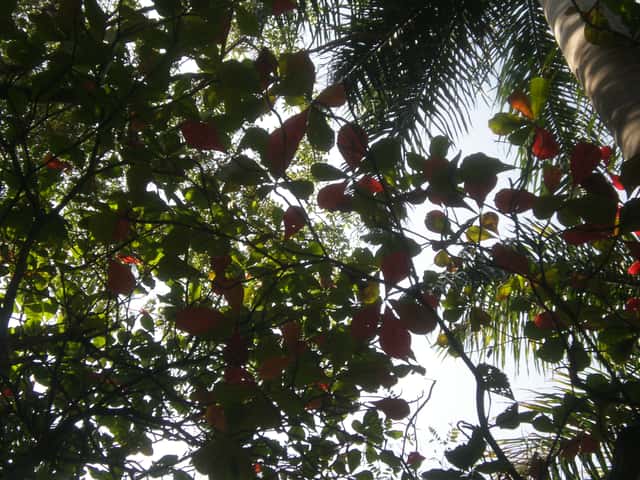
T. catappa sheds its leaves before the dry season, turning brilliant red — a rare spectacle for a tropical tree
Dried Terminalia catappa leaves are widely used in aquariums to condition water and benefit tropical fish
The genus includes T. arjuna, used for centuries in Ayurvedic medicine to support heart health
Frequently asked questions
Can Tropical Almond be grown in a pot?
How often should I water Terminalia?
Is Tropical Almond tolerant of wind and salt?
Are Terminalia leaves medicinal?
Compare with similar plants
| Attribute | Difficulty | Light | Watering | Pet Safe |
|---|---|---|---|---|
| Field Maple | Easy | Bright indirect | 14d | ✓ |
| Silver Birch | Easy | Direct sun | 14d | ✓ |
| Cushion Bush | Easy | Direct sun | 14d | ✓ |
| Peruvian peppertree | Easy | Direct sun | 14d | ⚠️ |