Rubiaceae
Cleavers: Ground Cover Plant
Galium aparine
Extremely easy to grow, often thriving in neglected areas with moist, fertile soil. It requires little maintenance other than controlling its rapid spread in garden settings.
Every 7 days
Partial shade
2° - 35°C
40% - 80%
Categories
What is Cleavers?
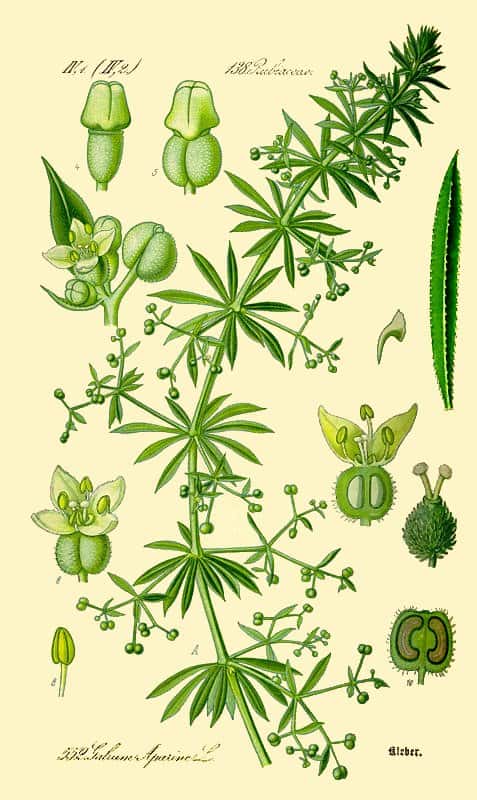
Cleavers (Galium aparine) is a easy-care plant from the Rubiaceae family. Galium aparine, commonly known as Cleavers, is a scrambling annual herbaceous plant. It is easily recognized by its whorled leaves and stems which are covered in tiny hooked bristles (trichomes), allowing it to 'stick' to surfaces, animals, and clothing. It produces tiny, star-shaped white or greeni...
Cleavers grows up to 1.2m, with spread of 60cm, watering every 7 days, 2°C – 35°C, 40–80% humidity. It is not suitable for indoor environments and safe for pets.
Unlike many tropical plants, Cleavers tolerates watering mistakes. Best for beginners. Unlike many popular species, Cleavers is safe to keep around pets.
How to Care for Cleavers?
TLDR: Cleavers needs Partial shade, watering every 7 days, and temperatures between 2-35°C with 40-80% humidity.
How Often Should You Water Cleavers?
Keep the soil consistently moist but not waterlogged; it thrives in the damp conditions of hedgerows and woodland edges.
How Much Light Does Cleavers Need?
Prefers partial shade or dappled sunlight, though it can tolerate full sun if the soil remains consistently moist.
What Is the Best Soil for Cleavers?
Thrives in nitrogen-rich, loamy soils with plenty of organic matter and moisture.
What Pot Should You Use for Cleavers?
Best grown in the ground due to its scrambling nature, but can be kept in large, deep containers with a trellis if necessary.
What Is Cleavers and Where Does It Come From?
Galium aparine, commonly known as Cleavers, is a scrambling annual herbaceous plant. It is easily recognized by its whorled leaves and stems which are covered in tiny hooked bristles (trichomes), allowing it to 'stick' to surfaces, animals, and clothing. It produces tiny, star-shaped white or greenish flowers followed by small, burr-like fruits that also cling to fur and fabric for seed dispersal.
How to Propagate Cleavers?
Direct Sowing
- Seeds often germinate best after a period of cold stratification over winter.
- Be careful where you plant it, as it can become invasive.
- 1 Seed Collection
Collect the small, round, hooked seeds in late summer when they turn from green to brown.
- 2 Sowing
Sow seeds directly onto the soil surface in a moist, shaded area.
- 3 Covering
Lightly cover with a thin layer of soil or leaf mulch and water thoroughly.
Materials needed:
How Big Does Cleavers Grow?
TLDR: Cleavers can reach up to 1.2m tall with Fast growth rate.
Max height
1.2m
Spread
60cm
Growth rate
Fast
Foliage
Deciduous
Plant Uses
Medicinal
Medicinal properties
Edible
Can be consumed
Ground Cover
Soil coverage
Medicinal Uses
- Lymphatic system tonic
- Diuretic to treat urinary tract issues
- Topical treatment for skin conditions like psoriasis
- Cooling herb used to reduce fevers
Culinary Uses
- Young shoots and leaves can be eaten raw or cooked like spinach
- Dried and roasted seeds serve as a caffeine-free coffee substitute
- Used historically to curdle milk for cheese making
Is your plant showing symptoms?
Click on the symptom to discover possible causes:
What Diseases Commonly Affect Cleavers?
TLDR: Cleavers is susceptible to 6 known diseases. Monitor regularly for early detection.
Aphids
Aphids are small, soft-bodied, pear-shaped insects (1/16 to 1/8 inch long) that feed by sucking nutrient-rich sap from plants. They reproduce rapidly and can quickly weaken plants, causing distorted growth and transmitting plant viruses. Aphids come in various colors including green, black, red, yellow, brown, and gray. They secrete honeydew, a sticky substance that attracts ants and encourages sooty mold growth.
Root Rot
Root rot is a serious fungal disease that affects the root system of plants, causing them to decay and die. It is primarily caused by overwatering, poor drainage, or soil-borne fungi such as Pythium, Phytophthora, Rhizoctonia, and Fusarium. The disease thrives in waterlogged conditions where roots are deprived of oxygen, making them susceptible to fungal infection.
Powdery Mildew
Powdery mildew is a common fungal disease caused by various fungi species including Erysiphe, Podosphaera, Oïdium, and Leveillula. It affects over 10,000 plant species worldwide. The disease thrives in warm, dry climates with high humidity and appears as a distinctive white powdery coating on plant surfaces.
Leaf Spot
Leaf spot is a common fungal disease caused by various pathogens including Alternaria, Ascochyta, Colletotrichum, Septoria, and Venturia. It primarily affects leaves, causing discolored spots that can lead to premature leaf drop if left untreated.
Meaning & Symbolism
Often associated with tenacity and attachment due to its sticky nature; historically used as a 'love charm' in European folklore.
Compare with similar plants
| Attribute | Difficulty | Light | Watering | Pet Safe |
|---|---|---|---|---|
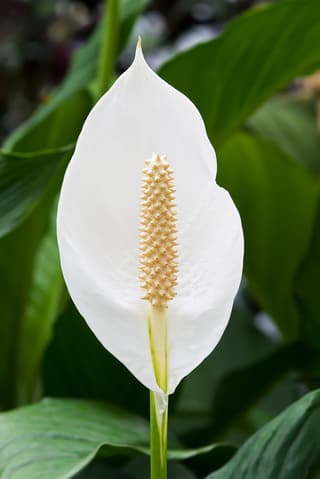
| Peace Lily | Easy | Low light | 4d | ⚠️ |
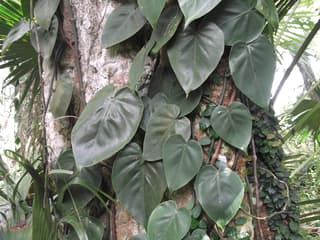
| Swiss Cheese Plant | Easy | Partial shade | 10d | ⚠️ |
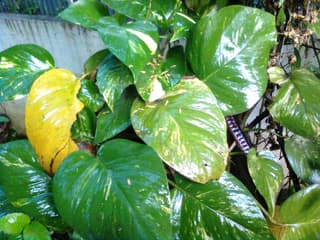
| Golden Pothos | Easy | Low light | 8d | ⚠️ |
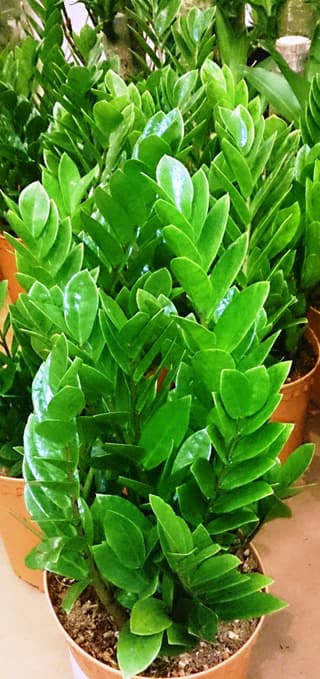
| ZZ Plant | Easy | Low light | 18d | ⚠️ |