Violaceae
Wild Pansy (Viola tricolor): Complete Growing Guide
Viola tricolor
An easy-to-grow plant ideal for garden borders and containers. Prefers full sun to partial shade, well-draining slightly acidic soil. Water regularly keeping soil moist but not waterlogged. Deadhead spent flowers to extend blooming season.
Every 3 days
Bright indirect
0° - 25°C
40% - 70%
Categories
What is Wild Pansy?
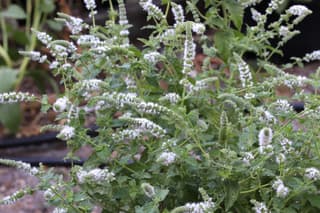
Wild Pansy (Viola tricolor) is a easy-care plant from the Violaceae family. Wild Pansy (Viola tricolor) is a small herbaceous plant native to Europe and Western Asia, considered the wild ancestor of modern cultivated pansies. It produces charming tricolor flowers in shades of purple, yellow, and white, blooming from winter through summer.
Wild Pansy grows up to 30cm, spread of 20cm, watering every 3 days, 0°C – 25°C, 40–70% humidity. It is not suitable for indoor environments and safe for pets.
Unlike many tropical plants, Wild Pansy tolerates watering mistakes. Best for beginners. Unlike many popular species, Wild Pansy is safe to keep around pets.
How to Care for Wild Pansy?
TLDR: Wild Pansy needs Bright indirect, watering every 3 days, and temperatures between 0-25°C with 40-70% humidity.
How Often Should You Water Wild Pansy?
Water every 3 days, or when the top layer of soil feels dry to the touch. Avoid waterlogging and prefer watering in the early morning so foliage dries before nightfall.
How Much Light Does Wild Pansy Need?
Requires at least 6 hours of direct sunlight per day. In warmer climates, provide partial shade during peak afternoon heat to prevent premature flower wilting.
What Is the Best Soil for Wild Pansy?
Use well-draining, slightly acidic soil (pH 6.0–6.5) rich in organic matter. Amend clay soils with compost or sand to improve drainage.
What Pot Should You Use for Wild Pansy?
Terracotta pots or containers with good drainage holes. Excellent for window boxes and garden borders.
Care Schedule
Fertilize
Every 30 days
What Is Wild Pansy and Where Does It Come From?
Wild Pansy (Viola tricolor) is a small herbaceous plant native to Europe and Western Asia, considered the wild ancestor of modern cultivated pansies. It produces charming tricolor flowers in shades of purple, yellow, and white, blooming from winter through summer.
How to Propagate Wild Pansy?
Seed Sowing
Sow in autumn for winter and spring flowering. Keep the substrate slightly moist during germination.
- 1 Sow seeds at 0.5 cm depth in moist, well-draining seed mix
- 2 Maintain temperature of 18-22°C until germination
- 3 Transplant seedlings when they have 2-3 true leaves
Materials needed:
Stem Cutting
Use sterilized tools. Gradually remove plastic after 2 weeks to acclimate the plant.
- 1 Cut a healthy 8-10 cm stem with 2-3 nodes
- 2 Remove lower leaves and dip base in rooting hormone
- 3 Plant in moist substrate and cover with plastic bag to retain humidity
Materials needed:
How Big Does Wild Pansy Grow?
TLDR: Wild Pansy can reach up to 30cm tall with Fast growth rate.
Max height
30cm
Spread
20cm
Growth rate
Fast
Foliage
Semi-evergreen
Plant Uses
Ornamental
Great for decoration
Medicinal
Medicinal properties
Medicinal Uses
- Traditionally used in herbal medicine as an anti-inflammatory and for skin conditions
- Flower tea used to relieve coughs and bronchitis
Culinary Uses
- Flowers are edible and used to decorate salads and desserts
Is your plant showing symptoms?
Click on the symptom to discover possible causes:
What Diseases Commonly Affect Wild Pansy?
TLDR: Wild Pansy is susceptible to 5 known diseases. Monitor regularly for early detection.
Powdery Mildew
Powdery mildew is a common fungal disease caused by various fungi species including Erysiphe, Podosphaera, Oïdium, and Leveillula. It affects over 10,000 plant species worldwide. The disease thrives in warm, dry climates with high humidity and appears as a distinctive white powdery coating on plant surfaces.
Downy Mildew
Downy mildew is a fungal-like disease caused by oomycetes (water molds) that thrives in cool, wet conditions. It affects a wide range of plants, causing yellowing leaves with fuzzy white-gray growth underneath, leading to defoliation and reduced yields if left untreated.
Crown Rot
Crown rot is a serious fungal disease that attacks the crown (base) of the plant where the stem meets the soil. It is caused by various fungal pathogens including Phytophthora, Fusarium, and Rhizoctonia. The disease thrives in waterlogged conditions and can quickly spread to kill the entire plant if not addressed promptly.
Pythium Root Rot
Pythium root rot is a serious fungal disease caused by various Pythium species including P. aphanidermatum, P. ultimum, and P. irregulare. These water molds are present in practically all cultivated soils and attack plant roots under wet conditions, causing rapid wet rot that can extend into the stem. The disease is favored by poor drainage, overwatering, and specific temperatures depending on the species.
Meaning & Symbolism
Symbolizes true love, wisdom, and happiness. In European tradition, it represents fond memories and meditation. Also known as the flower of remembrance.
Fun Facts
Viola tricolor is the wild ancestor of all modern cultivated pansy varieties
The tricolor flowers gave the species its scientific name: tri (three) + color (color)
In European folk medicine, it was used for centuries to treat skin diseases and inflammation
It is one of the few wild European flowers with edible blooms prized in gourmet cuisine
Frequently asked questions
How often should I water Wild Pansy?
Is Wild Pansy toxic to pets?
How do I extend Wild Pansy blooming?
Can Wild Pansy be grown in containers?
When does Wild Pansy bloom?
Compare with similar plants
| Attribute | Difficulty | Light | Watering | Pet Safe |
|---|---|---|---|---|
| Field Maple | Easy | Bright indirect | 14d | ✓ |
| Silver Birch | Easy | Direct sun | 14d | ✓ |
| Cushion Bush | Easy | Direct sun | 14d | ✓ |
| Peruvian peppertree | Easy | Direct sun | 14d | ⚠️ |