Ranunculaceae
eastern pasqueflower: Full Sun Plant
Pulsatilla patens
This plant thrives in full sun and well-drained, gritty soil. It is extremely cold-hardy but dislikes being moved once established due to its long taproot.
Every 14 days
Direct sun
-35° - 25°C
30% - 50%
Categories
What is eastern pasqueflower?
eastern pasqueflower (Pulsatilla patens) is a hard-care plant from the Ranunculaceae family. Pulsatilla patens, commonly known as the eastern pasqueflower, is a hardy perennial herb native to North America, Europe, and Asia. It is famous for being one of the first flowers to bloom in early spring, often emerging through the snow. The plant is characterized by its bell-shaped, silky-haired p...
eastern pasqueflower grows up to 30cm, with spread of 30cm, watering every 14 days, -35°C – 25°C, 30–50% humidity. It is not suitable for indoor environments and not safe for pets.
Unlike easy-care plants, eastern pasqueflower demands constant attention to humidity and light. Not recommended for beginners. Without precautions, ingestion can cause irritation in pets. Keep out of reach of cats and dogs.
How to Care for eastern pasqueflower?
TLDR: eastern pasqueflower needs Direct sun, watering every 14 days, and temperatures between -35-25°C with 30-50% humidity.
How Often Should You Water eastern pasqueflower?
Water moderately during the first year; once established, the plant is quite drought-tolerant and only needs water during prolonged dry spells.
How Much Light Does eastern pasqueflower Need?
Requires full sun for at least 6 to 8 hours a day to ensure vigorous blooming and healthy growth.
What Is the Best Soil for eastern pasqueflower?
Thrives in alkaline to neutral soils that are sandy or gravelly; avoid heavy clay that retains too much winter moisture.
What Pot Should You Use for eastern pasqueflower?
Best grown in the ground, but if using a container, choose a very deep pot to accommodate the long taproot.
Care Schedule
Fertilize
Every 60 days
What Is eastern pasqueflower and Where Does It Come From?
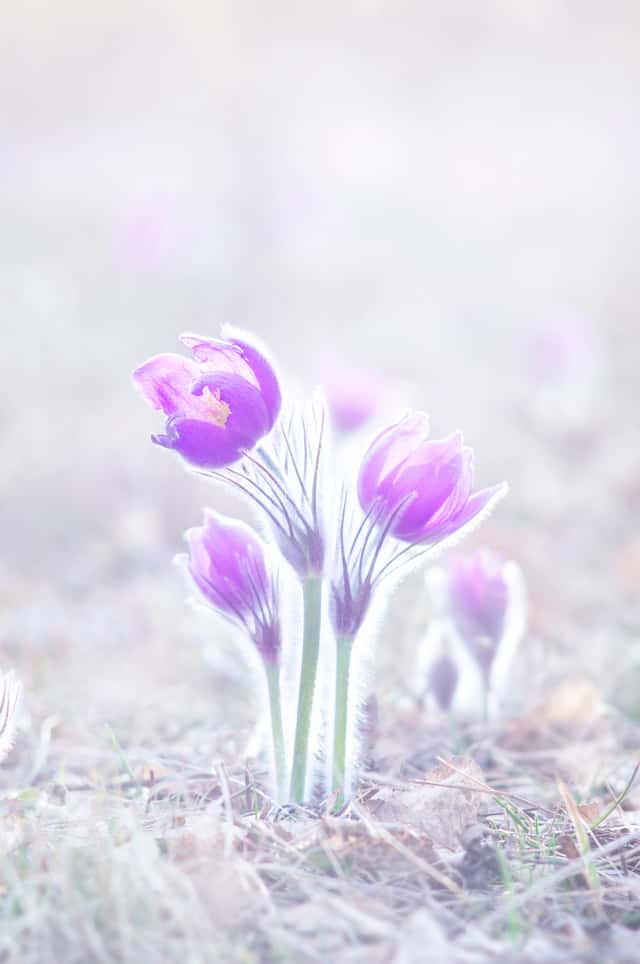
Pulsatilla patens, commonly known as the eastern pasqueflower, is a hardy perennial herb native to North America, Europe, and Asia. It is famous for being one of the first flowers to bloom in early spring, often emerging through the snow. The plant is characterized by its bell-shaped, silky-haired purple flowers and deeply divided, feathery foliage. After the flowers fade, they are replaced by striking, plume-like seed heads that remain decorative for weeks.
How to Propagate eastern pasqueflower?
Seed Sowing
- Do not cover seeds deeply; they need some light to germinate.
- Keep the soil consistently moist but not waterlogged during germination.
- 1 Collect Seeds
Harvest seeds as soon as the feathery seed heads begin to detach easily from the plant.
- 2 Sow Fresh
Sow seeds immediately in a well-draining seed-starting mix, as viability decreases quickly.
- 3 Cold Stratification
If not sowing fresh, seeds require a period of cold, moist stratification to break dormancy.
Materials needed:
Root Cuttings
- Mark the top of the root cutting to ensure it is planted the right way up.
- Avoid this method unless necessary, as the parent plant may suffer from root disturbance.
- 1 Expose Roots
Carefully dig around the base of an established plant in late winter while it is dormant.
- 2 Take Cuttings
Cut a 2-4 cm section of a healthy, thick root.
- 3 Plant Vertically
Plant the cutting vertically in a pot with the top of the root just below the soil surface.
Materials needed:
How Big Does eastern pasqueflower Grow?
TLDR: eastern pasqueflower can reach up to 30cm tall with Slow growth rate.
Max height
30cm
Spread
30cm
Growth rate
Slow
Foliage
Deciduous
Warning: Toxic Plant
This plant can be toxic if ingested. Keep out of reach of:
Plant Uses
Ornamental
Great for decoration
Medicinal
Medicinal properties
Medicinal Uses
- Homeopathic remedy for nervous tension
- Historical use for treating skin infections
- Used in traditional medicine for reproductive health
Is your plant showing symptoms?
Click on the symptom to discover possible causes:
What Diseases Commonly Affect eastern pasqueflower?
TLDR: eastern pasqueflower is susceptible to 5 known diseases. Monitor regularly for early detection.
Root Rot
Root rot is a serious fungal disease that affects the root system of plants, causing them to decay and die. It is primarily caused by overwatering, poor drainage, or soil-borne fungi such as Pythium, Phytophthora, Rhizoctonia, and Fusarium. The disease thrives in waterlogged conditions where roots are deprived of oxygen, making them susceptible to fungal infection.
Overwatering
Overwatering occurs when plants receive too much water, depriving roots of oxygen and causing root rot. This environmental stress is one of the most common causes of houseplant death, as waterlogged soil prevents roots from breathing and functioning properly.
Powdery Mildew
Powdery mildew is a common fungal disease caused by various fungi species including Erysiphe, Podosphaera, Oïdium, and Leveillula. It affects over 10,000 plant species worldwide. The disease thrives in warm, dry climates with high humidity and appears as a distinctive white powdery coating on plant surfaces.
Aphids
Aphids are small, soft-bodied, pear-shaped insects (1/16 to 1/8 inch long) that feed by sucking nutrient-rich sap from plants. They reproduce rapidly and can quickly weaken plants, causing distorted growth and transmitting plant viruses. Aphids come in various colors including green, black, red, yellow, brown, and gray. They secrete honeydew, a sticky substance that attracts ants and encourages sooty mold growth.
Meaning & Symbolism
Symbolizes the arrival of spring, rebirth, and endurance through harsh conditions.
Compare with similar plants
| Attribute | Difficulty | Light | Watering | Pet Safe |
|---|---|---|---|---|
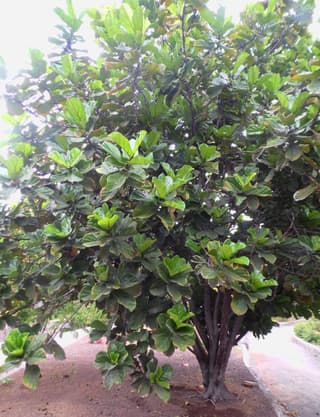
| Fiddle Leaf Fig | Hard | Bright indirect | 10d | ⚠️ |
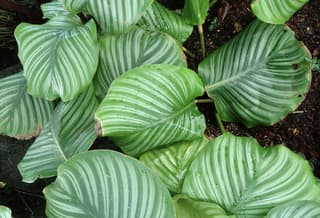
| Round-leaf Calathea | Hard | Partial shade | 7d | ✓ |
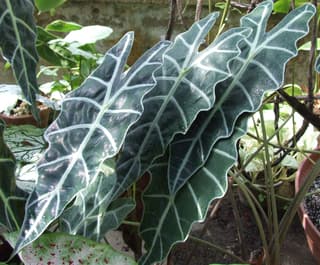
| African Mask Plant | Hard | Partial shade | 5d | ⚠️ |
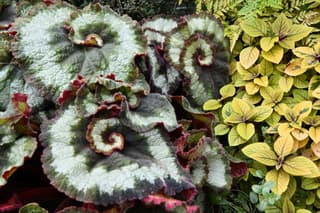
| Rex Begonia | Hard | Partial shade | 7d | ⚠️ |