Myrtaceae
Strawberry Guava (Psidium cattleyanum): Complete Care Guide
Psidium cattleyanum
Strawberry Guava is an easy-to-grow plant that thrives in full sun. Water weekly and avoid waterlogging. Well-draining, fertile soil is essential for good fruiting. Fertilize every 30 days with a potassium and phosphorus-rich fertilizer to encourage fruit production.
Every 7 days
Direct sun
9° - 32°C
50% - 80%
Categories
What is Strawberry Guava?
Strawberry Guava (Psidium cattleyanum) is a easy-care plant from the Myrtaceae family. Strawberry Guava (Psidium cattleyanum) is a fruiting shrub or small tree native to Brazil, belonging to the Myrtaceae family. It produces small, strawberry-flavored fruits that can be red or yellow. Known for its hardiness and adaptability, it thrives in tropical and subtropical climates and is valu...
Strawberry Guava grows up to 8.0m, with spread of 400cm, watering every 7 days, 9°C – 32°C, 50–80% humidity. It is not suitable for indoor environments and safe for pets.
Unlike many tropical plants, Strawberry Guava tolerates watering mistakes. Best for beginners. Unlike many popular species, Strawberry Guava is safe to keep around pets.
How to Care for Strawberry Guava?
TLDR: Strawberry Guava needs Direct sun, watering every 7 days, and temperatures between 9-32°C with 50-80% humidity.
How Often Should You Water Strawberry Guava?
Water Strawberry Guava every 7 days, allowing the soil to dry slightly between waterings. Young plants need more frequent watering. Once established, the plant is drought-tolerant but produces better fruit with regular moisture.
How Much Light Does Strawberry Guava Need?
Strawberry Guava requires full sun — at least 6 to 8 hours of direct sunlight per day. It can tolerate partial shade, but this reduces fruit production. Choose an open, sunny spot for best results.
What Is the Best Soil for Strawberry Guava?
Prefers well-draining, fertile, slightly acidic soil with a pH between 5.5 and 6.5. Incorporate organic compost into the mix. Avoid waterlogged or heavily compacted soils, which impair root development.
What Pot Should You Use for Strawberry Guava?
Terracotta or ceramic pot for container growing; prefers being planted directly in the ground or in large containers with good drainage.
Care Schedule
Fertilize
Every 30 days
Repot
Every 730 days
What Is Strawberry Guava and Where Does It Come From?
Strawberry Guava (Psidium cattleyanum) is a fruiting shrub or small tree native to Brazil, belonging to the Myrtaceae family. It produces small, strawberry-flavored fruits that can be red or yellow. Known for its hardiness and adaptability, it thrives in tropical and subtropical climates and is valued for both its edible fruits and ornamental appearance.
How to Propagate Strawberry Guava?
Seed Propagation
Use fresh seeds for higher germination rates. Keep the substrate consistently moist but never waterlogged.
- 1 Extract seeds from ripe fruits and rinse well
- 2 Sow in moist, well-draining substrate at 1 cm depth
- 3 Keep in a warm, bright location
- 4 Germination occurs in 20 to 40 days
- 5 Transplant when seedlings reach 10-15 cm
Materials needed:
Semi-hardwood Cuttings
Use sterilized tools. Protect cuttings from wind and direct sun until rooted.
- 1 Take semi-hardwood cuttings 15-20 cm long with 2-3 pairs of leaves
- 2 Remove lower leaves and dip the base in rooting hormone
- 3 Plant in moist, well-draining substrate
- 4 Keep in indirect light with high humidity
- 5 Allow 30 to 60 days for rooting
Materials needed:
How Big Does Strawberry Guava Grow?
TLDR: Strawberry Guava can reach up to 8.0m tall with Medium growth rate.
Max height
8.0m
Spread
4.0m
Growth rate
Medium
Foliage
Evergreen
Plant Uses
Ornamental
Great for decoration
Edible
Can be consumed
Medicinal
Medicinal properties
Medicinal Uses
- Leaves and roots have astringent properties used in folk medicine to treat diarrhea and inflammation
- Bark infusions are used for oral health conditions
Culinary Uses
- Fresh fruit consumption
- Jams and jellies
- Juices and smoothies
- Ice cream and desserts
Is your plant showing symptoms?
Click on the symptom to discover possible causes:
What Diseases Commonly Affect Strawberry Guava?
TLDR: Strawberry Guava is susceptible to 5 known diseases. Monitor regularly for early detection.
Anthracnose
Anthracnose is a fungal disease caused by fungi in the genus Colletotrichum that affects many plants, including vegetables, fruits, and trees. The disease thrives in cool, wet conditions, causing dark, sunken lesions on leaves, stems, flowers, and fruits.
Scale Insects
Scale insects are small sap-sucking pests that appear as brown, shell-like bumps on plant stems and leaves. There are over 25 species, divided into armored (hard) and unarmored (soft) scales. They feed by piercing plant tissue and extracting sap, which weakens the plant and can lead to yellowing, stunted growth, and even death if left untreated. They also excrete honeydew, which attracts ants and promotes sooty mold growth.
Aphids
Aphids are small, soft-bodied, pear-shaped insects (1/16 to 1/8 inch long) that feed by sucking nutrient-rich sap from plants. They reproduce rapidly and can quickly weaken plants, causing distorted growth and transmitting plant viruses. Aphids come in various colors including green, black, red, yellow, brown, and gray. They secrete honeydew, a sticky substance that attracts ants and encourages sooty mold growth.
Root Rot
Root rot is a serious fungal disease that affects the root system of plants, causing them to decay and die. It is primarily caused by overwatering, poor drainage, or soil-borne fungi such as Pythium, Phytophthora, Rhizoctonia, and Fusarium. The disease thrives in waterlogged conditions where roots are deprived of oxygen, making them susceptible to fungal infection.
Meaning & Symbolism
In Brazilian folk culture, the Araçá symbolizes abundance, resilience, and a deep connection to Brazil's native flora.
Fun Facts
Strawberry Guava can reach up to 8 meters tall in the wild, but rarely exceeds 4 meters in home cultivation
The fruits are rich in vitamin C and antioxidants
The species is considered invasive in some Pacific islands like Hawaii due to its remarkable adaptability
Its white, fragrant flowers attract bees and are important for local biodiversity
Frequently asked questions
How often should I water Strawberry Guava?
Does Strawberry Guava need full sun?
Is Strawberry Guava toxic to pets?
When does Strawberry Guava start producing fruit?
Can I grow Strawberry Guava in a pot?
Compare with similar plants
| Attribute | Difficulty | Light | Watering | Pet Safe |
|---|---|---|---|---|
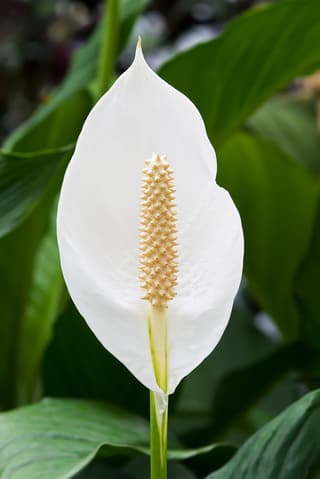
| Peace Lily | Easy | Low light | 4d | ⚠️ |
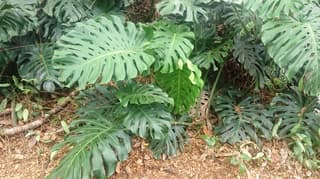
| Swiss Cheese Plant | Easy | Partial shade | 10d | ⚠️ |
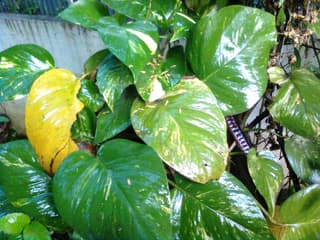
| Golden Pothos | Easy | Low light | 8d | ⚠️ |
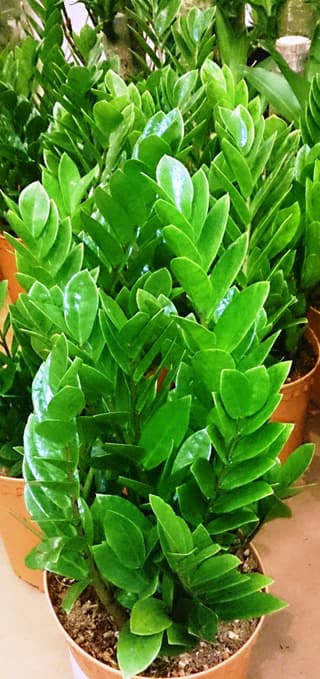
| ZZ Plant | Easy | Low light | 18d | ⚠️ |