Chrysobalanaceae
Oiti Tree (Licania tomentosa): How to Grow and Care
Licania tomentosa
Oiti is a low-maintenance tree that thrives in full sun. It requires regular watering only during its first year of establishment. Once established, it is highly drought-tolerant. Avoid prolonged waterlogging and perform periodic pruning to maintain crown shape.
Every 10 days
Direct sun
10° - 38°C
50% - 80%
Categories
What is Oiti Tree?
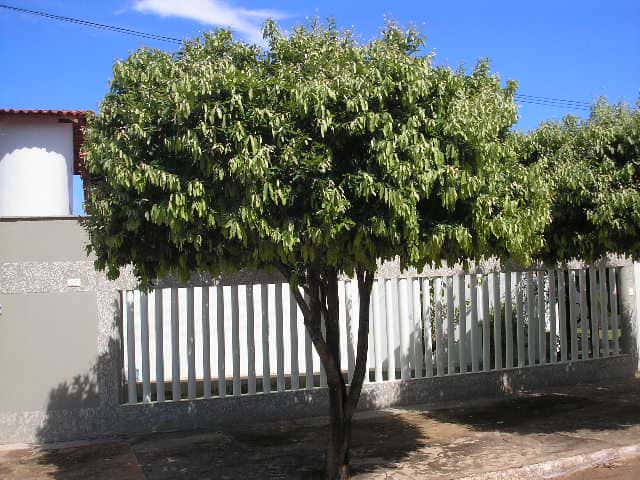
Oiti Tree (Licania tomentosa) is a easy-care plant from the Chrysobalanaceae family. Licania tomentosa, commonly known as Oiti, is a native Brazilian evergreen tree belonging to the family Chrysobalanaceae. It can reach up to 20 meters in height and is widely used in urban landscaping for its dense, broad crown that provides generous shade. The tree produces edible stone fruits and...
Oiti Tree grows up to 20.0m, with spread of 800cm, watering every 10 days, 10°C – 38°C, 50–80% humidity. It is not suitable for indoor environments and safe for pets.
Unlike many tropical plants, Oiti Tree tolerates watering mistakes. Best for beginners. Unlike many popular species, Oiti Tree is safe to keep around pets.
How to Care for Oiti Tree?
TLDR: Oiti Tree needs Direct sun, watering every 10 days, and temperatures between 10-38°C with 50-80% humidity.
How Often Should You Water Oiti Tree?
Water regularly during the first year to help establishment. Once established, oiti is drought-resistant and only needs irrigation during extended dry spells.
How Much Light Does Oiti Tree Need?
Oiti requires full sun exposure for healthy growth. Plant in locations with unobstructed sunlight throughout the day.
What Is the Best Soil for Oiti Tree?
Prefers fertile, deep, well-draining soil rich in organic matter. Does not tolerate prolonged waterlogging. Adapts to various soil types as long as drainage is adequate.
What Pot Should You Use for Oiti Tree?
For young seedlings, use clay or polyethylene pots with good drainage. For urban landscaping, plant directly in the ground with a minimum spacing of 6 meters between trees.
Care Schedule
Fertilize
Every 90 days
What Is Oiti Tree and Where Does It Come From?
Licania tomentosa, commonly known as Oiti, is a native Brazilian evergreen tree belonging to the family Chrysobalanaceae. It can reach up to 20 meters in height and is widely used in urban landscaping for its dense, broad crown that provides generous shade. The tree produces edible stone fruits and is highly valued for its resistance to drought and urban pollution.
How to Propagate Oiti Tree?
Seed Propagation
Use fresh seeds for best germination rates. Fresh seeds can achieve up to 90% germination success.
- 1 Collect ripe fruits and extract seeds
- 2 Allow seeds to dry in shade for 1-2 days
- 3 Plant in moist, well-draining substrate at 2-3 cm depth
- 4 Keep substrate moist in a sunny location
- 5 Germination occurs within 10 to 20 days
Materials needed:
How Big Does Oiti Tree Grow?
TLDR: Oiti Tree can reach up to 20.0m tall with Fast growth rate.
Max height
20.0m
Spread
8.0m
Growth rate
Fast
Foliage
Evergreen
Plant Uses
Ornamental
Great for decoration
Edible
Can be consumed
Culinary Uses
- Edible fruit with fibrous, mildly sweet and slightly astringent pulp; consumed fresh
Is your plant showing symptoms?
Click on the symptom to discover possible causes:
What Diseases Commonly Affect Oiti Tree?
TLDR: Oiti Tree is susceptible to 5 known diseases. Monitor regularly for early detection.
Rust
Rust is a common fungal disease caused by fungi in the order Pucciniales that affects a wide variety of plants. The disease gets its name from the characteristic orange, yellow, or reddish-brown pustules that appear on leaves, resembling metal rust. This obligate fungal parasite requires living plants to survive and can cause significant economic losses in agricultural crops.
Leaf Spot
Leaf spot is a common fungal disease caused by various pathogens including Alternaria, Ascochyta, Colletotrichum, Septoria, and Venturia. It primarily affects leaves, causing discolored spots that can lead to premature leaf drop if left untreated.
Root Rot
Root rot is a serious fungal disease that affects the root system of plants, causing them to decay and die. It is primarily caused by overwatering, poor drainage, or soil-borne fungi such as Pythium, Phytophthora, Rhizoctonia, and Fusarium. The disease thrives in waterlogged conditions where roots are deprived of oxygen, making them susceptible to fungal infection.
Caterpillars
Caterpillars are the larval stage of moths and butterflies that feed voraciously on plant foliage, stems, flowers, and fruits. Common species include cabbage loopers, tomato hornworms, armyworms, and cutworms. These pests can cause extensive damage by consuming large amounts of plant tissue in a short time. They vary in size from small (1/4 inch) to large (5 inches), with colors ranging from green to brown, often featuring stripes or spots. Caterpillars are highly mobile and can quickly spread throughout gardens, making them one of the most destructive common pests.
Meaning & Symbolism
A symbol of resilience and utility in Brazilian cities, the oiti tree represents the harmony between nature and urban environments.
Fun Facts
Oiti can live for over 100 years in ideal Brazilian climate conditions
It is one of the most widely planted trees along Brazilian streets and avenues
Its fruits are enjoyed by birds and small mammals, contributing to urban biodiversity
Oiti wood is extremely hard and durable and was historically used in shipbuilding
Frequently asked questions
How often should I water oiti?
Can oiti be planted on sidewalks?
Does oiti need pruning?
Does oiti produce edible fruit?
Is oiti drought-resistant?
Compare with similar plants
| Attribute | Difficulty | Light | Watering | Pet Safe |
|---|---|---|---|---|
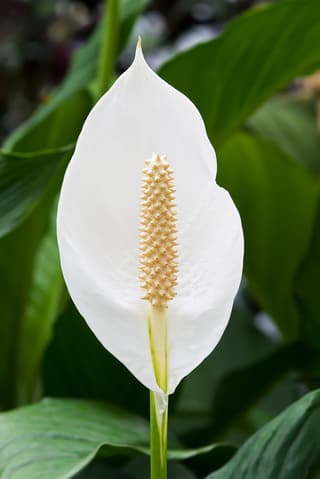
| Peace Lily | Easy | Low light | 4d | ⚠️ |
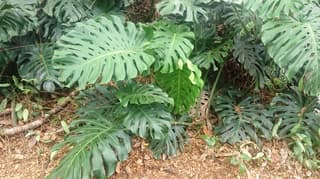
| Swiss Cheese Plant | Easy | Partial shade | 10d | ⚠️ |
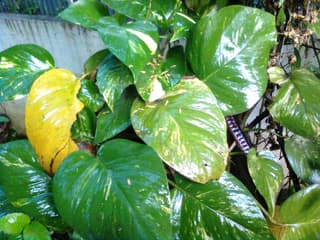
| Golden Pothos | Easy | Low light | 8d | ⚠️ |
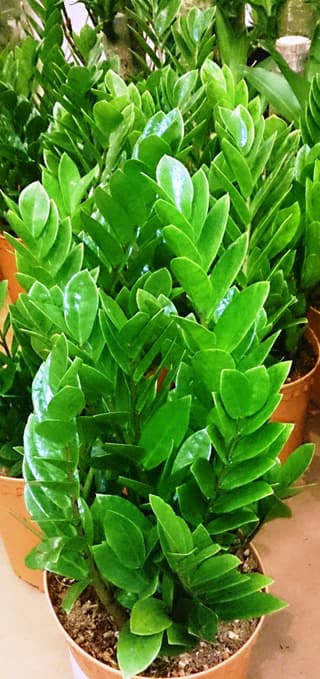
| ZZ Plant | Easy | Low light | 18d | ⚠️ |