Asteraceae
Beach Wormwood (Artemisia stelleriana)
Artemisia stelleriana
Extremely hardy and low-maintenance. Thrives in full sun and well-drained sandy soil. Highly drought-tolerant once established. Avoid overwatering and wet conditions, especially in winter.
Every 7 days
Direct sun
-20° - 35°C
30% - 60%
Categories
What is Beach Wormwood?
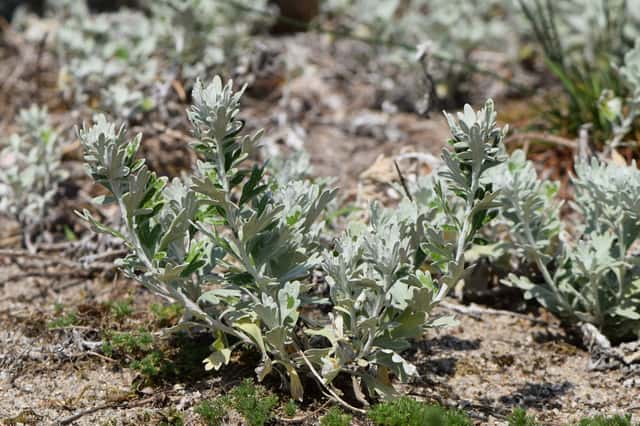
Beach Wormwood (Artemisia stelleriana) is a easy-care plant from the Asteraceae family. Artemisia stelleriana is a silver-leaved herbaceous perennial native to northeastern Asia, naturally found on coastal dunes and sandy habitats. Its densely white-hairy foliage gives it a distinctive silvery appearance, making it a popular ornamental ground cover for sunny, dry gardens.
Beach Wormwood grows up to 50cm, spread of 60cm, watering every 7 days, -20°C – 35°C, 30–60% humidity. It is not suitable for indoor environments and safe for pets.
Unlike many tropical plants, Beach Wormwood tolerates watering mistakes. Best for beginners. Unlike many popular species, Beach Wormwood is safe to keep around pets.
How to Care for Beach Wormwood?
TLDR: Beach Wormwood needs Direct sun, watering every 7 days, and temperatures between -20-35°C with 30-60% humidity.
How Often Should You Water Beach Wormwood?
Water once a week during establishment. Mature plants are drought-tolerant and require minimal watering — allow soil to dry completely between waterings.
How Much Light Does Beach Wormwood Need?
Requires full sun with at least 6 hours of direct sunlight daily. Does not tolerate prolonged shade.
What Is the Best Soil for Beach Wormwood?
Prefers poor to moderately fertile, sandy, well-draining soil. Amend heavy clay soils with perlite or coarse sand to improve drainage.
What Pot Should You Use for Beach Wormwood?
Terracotta or clay pot to promote drainage and prevent root rot.
Care Schedule
Fertilize
Every 90 days
What Is Beach Wormwood and Where Does It Come From?
Artemisia stelleriana is a silver-leaved herbaceous perennial native to northeastern Asia, naturally found on coastal dunes and sandy habitats. Its densely white-hairy foliage gives it a distinctive silvery appearance, making it a popular ornamental ground cover for sunny, dry gardens.
How to Propagate Beach Wormwood?
Stem Cutting
Use clean, sharp tools. Avoid overwatering during rooting.
- 1 Take an 8-10 cm cutting from a healthy stem in late summer
- 2 Dip the cut end in rooting powder
- 3 Plant in sandy compost or perlite
- 4 Keep in a bright spot out of direct sun until rooted
Materials needed:
Division
Only divide vigorous, well-rooted plants.
- 1 Lift the plant in spring
- 2 Divide the clump into sections, each with healthy roots
- 3 Replant each section and water well
Materials needed:
Seed Sowing
Cold stratification can improve germination rates.
- 1 Sow seeds on the surface of well-draining compost in spring
- 2 Press lightly without covering
- 3 Keep moist and warm until germination
Materials needed:
How Big Does Beach Wormwood Grow?
TLDR: Beach Wormwood can reach up to 50cm tall with Medium growth rate.
Max height
50cm
Spread
60cm
Growth rate
Medium
Foliage
Semi-evergreen
Plant Uses
Ornamental
Great for decoration
Ground Cover
Soil coverage
Aromatic
Pleasant fragrance
Is your plant showing symptoms?
Click on the symptom to discover possible causes:
What Diseases Commonly Affect Beach Wormwood?
TLDR: Beach Wormwood is susceptible to 7 known diseases. Monitor regularly for early detection.
Powdery Mildew
Powdery mildew is a common fungal disease caused by various fungi species including Erysiphe, Podosphaera, Oïdium, and Leveillula. It affects over 10,000 plant species worldwide. The disease thrives in warm, dry climates with high humidity and appears as a distinctive white powdery coating on plant surfaces.
Downy Mildew
Downy mildew is a fungal-like disease caused by oomycetes (water molds) that thrives in cool, wet conditions. It affects a wide range of plants, causing yellowing leaves with fuzzy white-gray growth underneath, leading to defoliation and reduced yields if left untreated.
Root Rot
Root rot is a serious fungal disease that affects the root system of plants, causing them to decay and die. It is primarily caused by overwatering, poor drainage, or soil-borne fungi such as Pythium, Phytophthora, Rhizoctonia, and Fusarium. The disease thrives in waterlogged conditions where roots are deprived of oxygen, making them susceptible to fungal infection.
Rust
Rust is a common fungal disease caused by fungi in the order Pucciniales that affects a wide variety of plants. The disease gets its name from the characteristic orange, yellow, or reddish-brown pustules that appear on leaves, resembling metal rust. This obligate fungal parasite requires living plants to survive and can cause significant economic losses in agricultural crops.
Fun Facts
Native to northeastern Asia, this plant has naturalized along the sandy coastal dunes of northeastern North America.
Its silvery leaves are covered in tiny white hairs called trichomes, which reflect sunlight and reduce water loss.
The plant's strong aromatic scent naturally repels many common garden pests.
Hardy to USDA Zone 3, it can survive temperatures as low as -20°C.
Frequently asked questions
How often should I water Beach Wormwood?
Is Beach Wormwood toxic to pets?
Can I grow Beach Wormwood in a container?
What are the most common diseases?
When does Beach Wormwood bloom?
Compare with similar plants
| Attribute | Difficulty | Light | Watering | Pet Safe |
|---|---|---|---|---|
| Field Maple | Easy | Bright indirect | 14d | ✓ |
| Silver Birch | Easy | Direct sun | 14d | ✓ |
| Cushion Bush | Easy | Direct sun | 14d | ✓ |
| Wild Lettuce | Medium | Direct sun | 7d | ⚠️ |





