Fabaceae
Orchid Tree (Bauhinia variegata)
Bauhinia variegata
Low-maintenance once established. Requires full sun and well-drained soil. Drought-tolerant after the first year. Annual pruning after flowering encourages a healthy next bloom cycle and maintains shape.
Every 10 days
Direct sun
-6° - 38°C
40% - 70%
Categories
What is Orchid Tree?
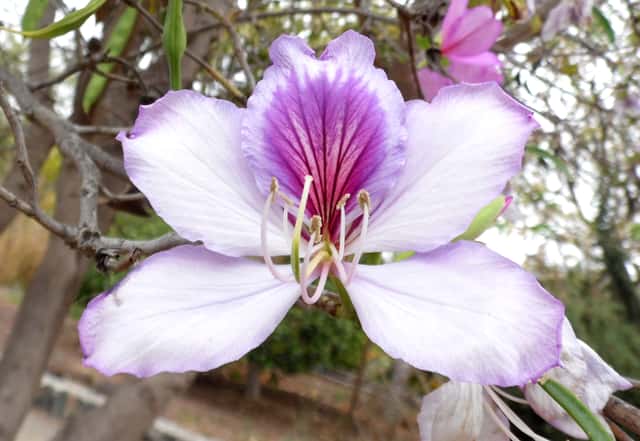
Orchid Tree (Bauhinia variegata) is a easy-care plant from the Fabaceae family. Bauhinia variegata, commonly known as the Orchid Tree or Mountain Ebony, is a medium-sized deciduous tree native to tropical Asia, particularly India and China. It produces spectacular orchid-like flowers in shades of pink, purple, and white during late winter and spring, making it one of the most o...
Orchid Tree grows up to 10.0m, with spread of 900cm, watering every 10 days, -6°C – 38°C, 40–70% humidity. It is not suitable for indoor environments and not safe for pets.
Unlike many tropical plants, Orchid Tree tolerates watering mistakes. Best for beginners. Without precautions, ingestion can cause irritation in pets. Keep out of reach of cats and dogs.
How to Care for Orchid Tree?
TLDR: Orchid Tree needs Direct sun, watering every 10 days, and temperatures between -6-38°C with 40-70% humidity.
How Often Should You Water Orchid Tree?
Water every 7 to 14 days, allowing the top few centimeters of soil to dry between waterings. Established trees are drought-tolerant and can survive on natural rainfall in most warm climates. Avoid waterlogging to prevent root rot.
How Much Light Does Orchid Tree Need?
Plant in full sun with at least 6 hours of direct sunlight daily for abundant flowering. Tolerates partial shade, but flowering will be significantly reduced. Avoid deep shade.
What Is the Best Soil for Orchid Tree?
Prefers fertile, loose, and well-draining soil with a pH of 5.5 to 7.0. Amend heavy clay soils with organic matter and coarse sand to improve drainage. Avoid waterlogged or highly alkaline soils.
What Pot Should You Use for Orchid Tree?
For container growing, use a large ceramic or terracotta pot (minimum 60 liters). For best ornamental results, plant directly in the ground with at least 4-5 meters clearance from structures.
Care Schedule
Fertilize
Every 90 days
What Is Orchid Tree and Where Does It Come From?
Bauhinia variegata, commonly known as the Orchid Tree or Mountain Ebony, is a medium-sized deciduous tree native to tropical Asia, particularly India and China. It produces spectacular orchid-like flowers in shades of pink, purple, and white during late winter and spring, making it one of the most ornamental flowering trees for warm climates. Its distinctive bilobed leaves, resembling a camel's footprint or butterfly wings, give it unique visual appeal throughout the year.
How to Propagate Orchid Tree?
Seed Sowing
Use fresh seeds for the best germination rates. Lightly scarify the seed coat before soaking to improve water absorption.
- 1 Soak seeds in warm water for 24 to 48 hours to soften the seed coat
- 2 Sow in well-draining seed compost at 1 cm depth
- 3 Keep in a warm location (22-28°C) with indirect light
- 4 Transplant seedlings to their final position when they reach 15-20 cm tall
Materials needed:
Stem Cutting
Cover with a clear plastic bag to maintain humidity and speed up rooting.
- 1 Take a semi-hardwood cutting of 15-20 cm with 2-3 nodes in late summer
- 2 Remove leaves from the lower half of the cutting
- 3 Apply rooting hormone to the cut end
- 4 Plant in moist, well-aerated potting mix and maintain consistent moisture until rooting
Materials needed:
How Big Does Orchid Tree Grow?
TLDR: Orchid Tree can reach up to 10.0m tall with Fast growth rate.
Max height
10.0m
Spread
9.0m
Growth rate
Fast
Foliage
Deciduous
Warning: Toxic Plant
This plant can be toxic if ingested. Keep out of reach of:
Plant Uses
Ornamental
Great for decoration
Medicinal
Medicinal properties
Medicinal Uses
- Bark used in Ayurvedic medicine for skin conditions and inflammation
- Leaf extracts studied for potential antidiabetic properties
- Root bark traditionally used to treat dysentery and intestinal disorders
Culinary Uses
- Young flowers and buds used in curries and stir-fries in Indian cuisine
- Young leaves consumed as greens in some regions of Southeast Asia
Is your plant showing symptoms?
Click on the symptom to discover possible causes:
What Diseases Commonly Affect Orchid Tree?
TLDR: Orchid Tree is susceptible to 10 known diseases. Monitor regularly for early detection.
Leaf Spot
Leaf spot is a common fungal disease caused by various pathogens including Alternaria, Ascochyta, Colletotrichum, Septoria, and Venturia. It primarily affects leaves, causing discolored spots that can lead to premature leaf drop if left untreated.
Powdery Mildew
Powdery mildew is a common fungal disease caused by various fungi species including Erysiphe, Podosphaera, Oïdium, and Leveillula. It affects over 10,000 plant species worldwide. The disease thrives in warm, dry climates with high humidity and appears as a distinctive white powdery coating on plant surfaces.
Root Rot
Root rot is a serious fungal disease that affects the root system of plants, causing them to decay and die. It is primarily caused by overwatering, poor drainage, or soil-borne fungi such as Pythium, Phytophthora, Rhizoctonia, and Fusarium. The disease thrives in waterlogged conditions where roots are deprived of oxygen, making them susceptible to fungal infection.
Aphids
Aphids are small, soft-bodied, pear-shaped insects (1/16 to 1/8 inch long) that feed by sucking nutrient-rich sap from plants. They reproduce rapidly and can quickly weaken plants, causing distorted growth and transmitting plant viruses. Aphids come in various colors including green, black, red, yellow, brown, and gray. They secrete honeydew, a sticky substance that attracts ants and encourages sooty mold growth.
Meaning & Symbolism
The Orchid Tree holds deep cultural significance in Hong Kong, where its flower is the official emblem of the city since 1997, symbolizing the reunification and prosperity of the region. In general Asian cultures, the plant represents family unity, harmony, and the beauty of renewal.
Fun Facts
The Bauhinia flower has been the official emblem of Hong Kong since 1997
Can grow up to 10 meters tall under ideal conditions
Its distinctive bilobed leaves close at night, a behavior known as nyctinasty
A single tree can produce hundreds of flowers over a 6-8 week blooming period
Frequently asked questions
How often should I water the Orchid Tree?
Is Bauhinia variegata toxic to pets?
When does the Orchid Tree bloom?
Can I grow the Orchid Tree in a container?
How long does it take for an Orchid Tree to flower from seed?
Compare with similar plants
| Attribute | Difficulty | Light | Watering | Pet Safe |
|---|---|---|---|---|
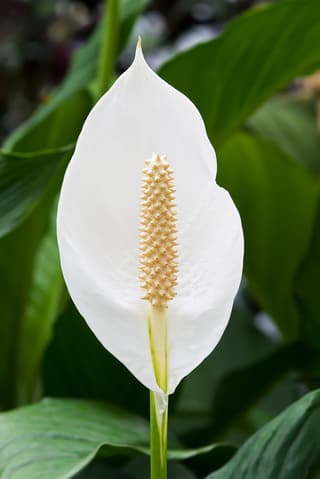
| Peace Lily | Easy | Low light | 4d | ⚠️ |
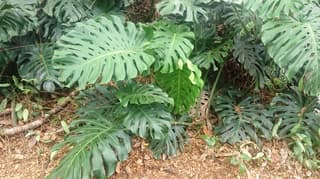
| Swiss Cheese Plant | Easy | Partial shade | 10d | ⚠️ |
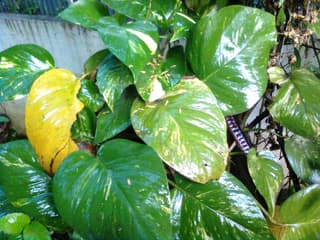
| Golden Pothos | Easy | Low light | 8d | ⚠️ |
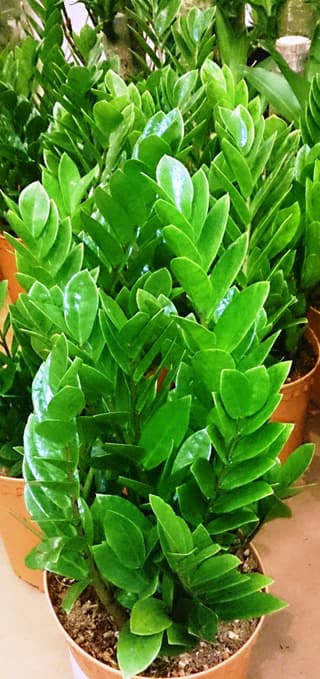
| ZZ Plant | Easy | Low light | 18d | ⚠️ |