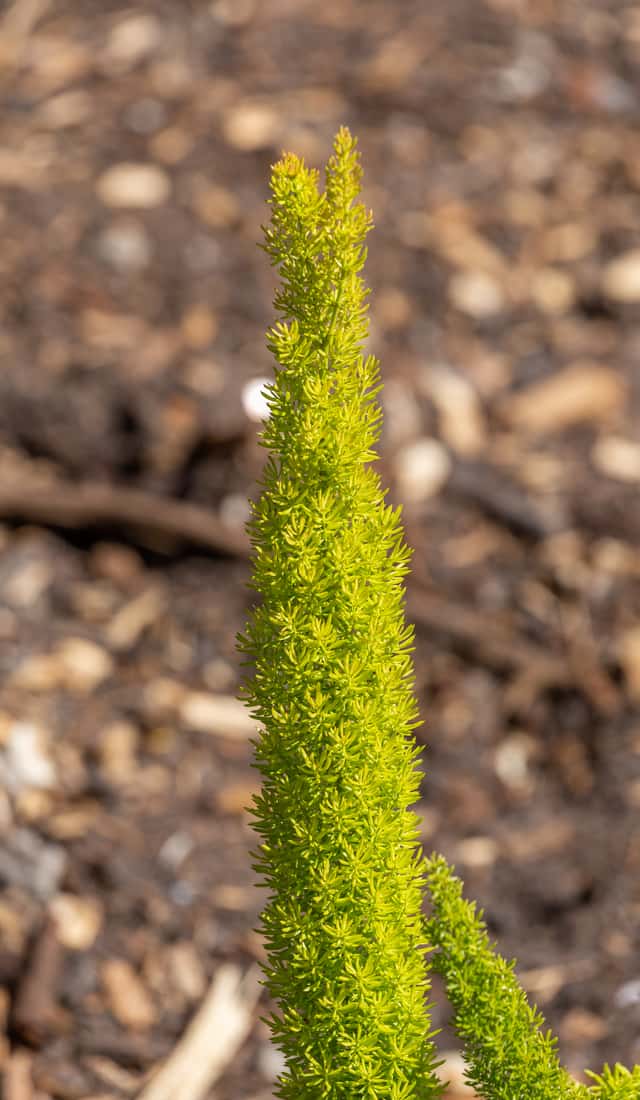
Asparagaceae
Asparagus Fern (Asparagus densiflorus) - Complete Care Guide
Asparagus densiflorus
An easy-care plant that thrives in bright, indirect light with consistent moisture. Keep humidity above 40% with regular misting. Water when the top inch of soil dries out, reducing frequency in winter. Feed monthly during the growing season.
Every 5 days
Partial shade
10° - 27°C
40% - 70%
Categories
What is Asparagus Fern?
Asparagus Fern (Asparagus densiflorus) is a easy-care plant from the Asparagaceae family. Asparagus densiflorus is a graceful, feathery houseplant native to South Africa. Despite its common name, it is not a true fern but belongs to the asparagus family (Asparagaceae). Known for its arching, needle-like cladodes on wiry stems, it creates a lush, cascading display perfect for hanging bask...
Asparagus Fern grows up to 90cm, spread of 120cm, watering every 5 days, 10°C – 27°C, 40–70% humidity. It is suitable for indoor environments and not safe for pets.
Unlike many tropical plants, Asparagus Fern tolerates watering mistakes. Best for beginners. Without precautions, ingestion can cause irritation in pets. Keep out of reach of cats and dogs. Without adequate drainage, root rot can develop within 10 days.
How to Care for Asparagus Fern?
TLDR: Asparagus Fern needs Partial shade, watering every 5 days, and temperatures between 10-27°C with 40-70% humidity.
How Often Should You Water Asparagus Fern?
Water thoroughly when the top inch of soil feels dry. Asparagus ferns store water in tuberous roots, so they tolerate brief dry spells better than soggy soil. Reduce watering in winter but never let the soil dry out completely, or needles will drop.
How Much Light Does Asparagus Fern Need?
Place in bright, indirect light or filtered sunlight. Tolerates some morning sun but protect from harsh afternoon rays. Rotate the pot weekly for even growth. Low light causes yellowing and slow, sparse growth.
What Is the Best Soil for Asparagus Fern?
Use a well-draining, fertile potting mix. A blend of peat, perlite, and standard potting soil works well. Slightly acidic to neutral pH (5.5-6.5) is ideal. Ensure pots have drainage holes to prevent waterlogging.
What Pot Should You Use for Asparagus Fern?
Choose a hanging basket or wide, shallow pot with drainage holes. Terracotta pots help wick excess moisture. The plant's cascading habit makes it ideal for elevated containers or macrame hangers.
Care Schedule
Fertilize
Every 30 days
Misting
Every 3 days
Rotate
Every 7 days
Repot
Every 730 days
What Is Asparagus Fern and Where Does It Come From?
Asparagus densiflorus is a graceful, feathery houseplant native to South Africa. Despite its common name, it is not a true fern but belongs to the asparagus family (Asparagaceae). Known for its arching, needle-like cladodes on wiry stems, it creates a lush, cascading display perfect for hanging baskets and shelves. It produces small white or pink flowers in spring and summer, followed by decorative red berries.
How to Propagate Asparagus Fern?
Root Division
The thick tuberous roots can be tough to separate. Use a clean, sharp knife if needed. Each division should have at least 3-4 stems.
- 1 Remove the plant from its pot in spring during repotting
- 2 Gently separate the rootball into sections, each with healthy roots and stems
- 3 Plant each section in fresh, well-draining potting mix
- 4 Water well and keep in a warm, bright spot out of direct sun
Materials needed:
Seed Propagation
Seeds germinate slowly and unevenly. Be patient and keep the soil consistently moist but not waterlogged.
- 1 Harvest ripe red berries from the plant and remove the outer pulp
- 2 Soak seeds in warm water for 24 hours before sowing
- 3 Sow seeds about 1 cm deep in moist seed-starting mix
- 4 Cover with plastic wrap to maintain humidity and keep at 25C
- 5 Remove covering once seedlings emerge
Materials needed:
How Big Does Asparagus Fern Grow?
TLDR: Asparagus Fern can reach up to 90cm tall with Medium growth rate.
Max height
90cm
Spread
1.2m
Growth rate
Medium
Foliage
Evergreen
Warning: Toxic Plant
This plant can be toxic if ingested. Keep out of reach of:
Plant Uses
Ornamental
Great for decoration
Air Purifying
Improves air quality
Ground Cover
Soil coverage
Is your plant showing symptoms?
Click on the symptom to discover possible causes:
What Diseases Commonly Affect Asparagus Fern?
TLDR: Asparagus Fern is susceptible to 6 known diseases. Monitor regularly for early detection.
Spider Mites
Spider mites are tiny arachnids (less than 1/20 inch long) related to spiders and ticks that feed on plant sap. They thrive in hot, dry conditions and can cause significant damage to ornamental and vegetable plants. During severe infestations, crop losses can reach 14% or higher as these pests disrupt vital plant processes including photosynthesis, carbon dioxide absorption, and transpiration.
Mealybugs
Mealybugs are small, soft-bodied insects covered with a white, waxy, cottony material. They are common pests of houseplants and outdoor plants in mild climates. These sap-sucking insects feed on plant tissue, causing damage, stunted growth, and can lead to plant death if left untreated. They produce sticky honeydew which attracts sooty mold.
Scale Insects
Scale insects are small sap-sucking pests that appear as brown, shell-like bumps on plant stems and leaves. There are over 25 species, divided into armored (hard) and unarmored (soft) scales. They feed by piercing plant tissue and extracting sap, which weakens the plant and can lead to yellowing, stunted growth, and even death if left untreated. They also excrete honeydew, which attracts ants and promotes sooty mold growth.
Root Rot
Root rot is a serious fungal disease that affects the root system of plants, causing them to decay and die. It is primarily caused by overwatering, poor drainage, or soil-borne fungi such as Pythium, Phytophthora, Rhizoctonia, and Fusarium. The disease thrives in waterlogged conditions where roots are deprived of oxygen, making them susceptible to fungal infection.
Meaning & Symbolism
Symbolizes protection and adaptability. In the Victorian language of flowers, asparagus fern represents fascination and secret bonds.
Fun Facts
Despite its common name, the asparagus fern is not a true fern — it belongs to the same family as garden asparagus.
In warm climates like Florida and Hawaii, asparagus fern is considered an invasive species due to its vigorous spreading via underground tubers and bird-dispersed seeds.
The plant's feathery fronds are actually not leaves at all — they are flattened stems called cladodes that perform photosynthesis.
Frequently asked questions
Is asparagus fern toxic to cats and dogs?
Why is my asparagus fern turning yellow?
How often should I mist my asparagus fern?
Can asparagus fern grow outdoors?
Compare with similar plants
| Attribute | Difficulty | Light | Watering | Pet Safe |
|---|---|---|---|---|
| Field Maple | Easy | Bright indirect | 14d | ✓ |
| Silver Birch | Easy | Direct sun | 14d | ✓ |
| Common Blanketflower | Easy | Direct sun | 10d | ✓ |
| Cushion Bush | Easy | Direct sun | 14d | ✓ |





