Asparagaceae
Asparagus (Asparagus spp.): Complete Care Guide
Asparagus
Asparagus is a versatile, easy-care genus. Ornamental species thrive in bright indirect light indoors; edible asparagus needs full sun outdoors. Water moderately, allowing the top inch of soil to dry out between waterings. The tuberous roots store water, providing drought tolerance. Maintain moderate humidity for ornamental varieties.
Every 6 days
Partial shade
10° - 27°C
40% - 70%
Categories
What is Asparagus?
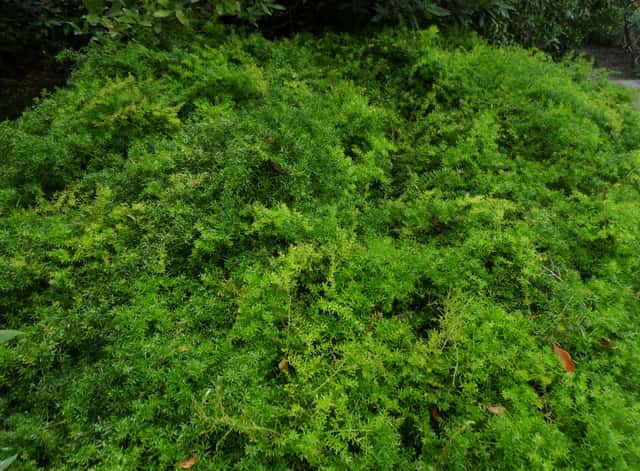
Asparagus (Asparagus) is a easy-care plant from the Asparagaceae family. The Asparagus genus encompasses over 200 species native to Africa, Europe, and Asia, ranging from the edible garden asparagus (A. officinalis) to delicate ornamentals like the asparagus fern (A. setaceus) and Sprengeri fern (A. densiflorus). Known for their feathery, needle-like foliage (cladodes),...
Asparagus grows up to 2.0m, with spread of 120cm, watering every 6 days, 10°C – 27°C, 40–70% humidity. It is suitable for indoor environments and not safe for pets.
Unlike many tropical plants, Asparagus tolerates watering mistakes. Best for beginners. Without precautions, ingestion can cause irritation in pets. Keep out of reach of cats and dogs. Without adequate drainage, root rot can develop within 12 days.
How to Care for Asparagus?
TLDR: Asparagus needs Partial shade, watering every 6 days, and temperatures between 10-27°C with 40-70% humidity.
How Often Should You Water Asparagus?
Water when the top inch of soil feels dry, approximately every 5-7 days in summer. Reduce watering in winter. Never allow the pot to sit in standing water as this causes root rot.
How Much Light Does Asparagus Need?
Ornamental species prefer bright indirect light away from harsh afternoon sun. Edible asparagus requires full sun (6-8 hours minimum). Low light causes yellowing and sparse foliage.
What Is the Best Soil for Asparagus?
Use well-draining, fertile soil with a pH of 6.0-7.0. Amend with perlite or coarse sand for drainage. Avoid heavy clay soils that retain excess moisture and promote root diseases.
What Pot Should You Use for Asparagus?
Terracotta or ceramic pot with drainage holes. For trailing ornamental species, hanging baskets work beautifully.
Care Schedule
Fertilize
Every 30 days
Misting
Every 3 days
Repot
Every 730 days
What Is Asparagus and Where Does It Come From?
The Asparagus genus encompasses over 200 species native to Africa, Europe, and Asia, ranging from the edible garden asparagus (A. officinalis) to delicate ornamentals like the asparagus fern (A. setaceus) and Sprengeri fern (A. densiflorus). Known for their feathery, needle-like foliage (cladodes), asparagus plants are prized in floral arrangements, hanging baskets, and as graceful houseplants.
How to Propagate Asparagus?
Crown Division
Divide in spring before new growth emerges. Sterilize cutting tools to prevent disease transmission.
- 1 Remove the plant from its pot or ground in early spring
- 2 Gently separate the crown into sections, ensuring each has roots attached
- 3 Plant each division in moist, well-draining soil
- 4 Keep lightly moist until new growth appears
Materials needed:
Seed Propagation
Wear gloves when handling berries as they are toxic. Germination can be slow — be patient.
- 1 Collect ripe seeds from red berries (wear gloves — berries are toxic)
- 2 Soak seeds in warm water for 24 hours
- 3 Sow in moist seed-starting mix at 1 cm depth
- 4 Keep at 21-24°C until germination
Materials needed:
How Big Does Asparagus Grow?
TLDR: Asparagus can reach up to 2.0m tall with Medium growth rate.
Max height
2.0m
Spread
1.2m
Growth rate
Medium
Foliage
Semi-evergreen
Warning: Toxic Plant
This plant can be toxic if ingested. Keep out of reach of:
Plant Uses
Ornamental
Great for decoration
Edible
Can be consumed
Medicinal Uses
- Roots of A. racemosus (Shatavari) used in Ayurvedic medicine as an adaptogen and female tonic
- Traditional herbal uses for hormonal balance and digestive health
Culinary Uses
- Young shoots of A. officinalis eaten steamed, roasted, or raw in salads
- Classic ingredient in European cuisine, especially French and Italian dishes
Is your plant showing symptoms?
Click on the symptom to discover possible causes:
What Diseases Commonly Affect Asparagus?
TLDR: Asparagus is susceptible to 12 known diseases. Monitor regularly for early detection.
Root Rot
Root rot is a serious fungal disease that affects the root system of plants, causing them to decay and die. It is primarily caused by overwatering, poor drainage, or soil-borne fungi such as Pythium, Phytophthora, Rhizoctonia, and Fusarium. The disease thrives in waterlogged conditions where roots are deprived of oxygen, making them susceptible to fungal infection.
Crown Rot
Crown rot is a serious fungal disease that attacks the crown (base) of the plant where the stem meets the soil. It is caused by various fungal pathogens including Phytophthora, Fusarium, and Rhizoctonia. The disease thrives in waterlogged conditions and can quickly spread to kill the entire plant if not addressed promptly.
Fusarium Wilt
Fusarium wilt is a serious fungal disease caused by the soil-borne fungus Fusarium oxysporum. The fungus invades roots and blocks the water-conducting vessels (xylem) of the plant, causing progressive wilting and eventual death. Host-specific forms of the pathogen exist that attack different plant species.
Rust
Rust is a common fungal disease caused by fungi in the order Pucciniales that affects a wide variety of plants. The disease gets its name from the characteristic orange, yellow, or reddish-brown pustules that appear on leaves, resembling metal rust. This obligate fungal parasite requires living plants to survive and can cause significant economic losses in agricultural crops.
Meaning & Symbolism
Asparagus symbolizes longevity, vitality, and renewal; the emerging spears are associated with new beginnings and springtime abundance.
Fun Facts
The Asparagus genus has over 200 species, but only A. officinalis is widely grown as food
Asparagus fern is not a true fern — it belongs to the family Asparagaceae, related to lilies
The tuberous roots store water and nutrients, giving asparagus excellent drought tolerance
Edible asparagus can take up to 3 years after planting before producing a harvestable crop
Frequently asked questions
How often should I water an asparagus fern?
Is asparagus toxic to cats and dogs?
Why is my asparagus fern turning yellow?
Can asparagus fern grow indoors?
How do I propagate asparagus?
Compare with similar plants
| Attribute | Difficulty | Light | Watering | Pet Safe |
|---|---|---|---|---|
| Peace Lily | Easy | Low light | 4d | ⚠️ |
| Swiss Cheese Plant | Easy | Partial shade | 10d | ⚠️ |
| Golden Pothos | Easy | Low light | 8d | ⚠️ |
| ZZ Plant | Easy | Low light | 18d | ⚠️ |





