Oxalidaceae
How to Grow Common Yellow Woodsorrel (Oxalis stricta)
Oxalis stricta
Very easy to grow and highly resilient. Prefers full sun to partial shade and well-drained soil. Drought-tolerant once established. Excellent as a ground cover in difficult spots where other plants struggle.
Every 7 days
Bright indirect
-20° - 35°C
30% - 70%
Categories
What is Common Yellow Woodsorrel?
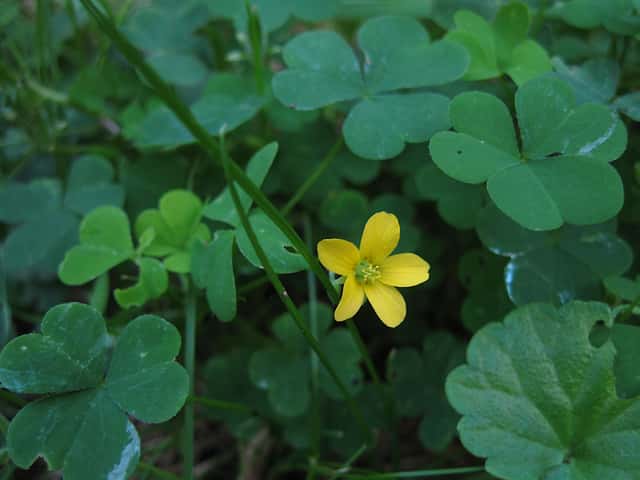
Common Yellow Woodsorrel (Oxalis stricta) is a easy-care plant from the Oxalidaceae family. Common Yellow Woodsorrel (Oxalis stricta) is a perennial herbaceous plant in the family Oxalidaceae, native to North America and Eurasia. Recognized by its cheerful yellow flowers and heart-shaped trifoliate leaves, it is an exceptionally adaptable plant that thrives in a wide range of habitats incl...
Common Yellow Woodsorrel grows up to 30cm, spread of 45cm, watering every 7 days, -20°C – 35°C, 30–70% humidity. It is not suitable for indoor environments and not safe for pets.
Unlike many tropical plants, Common Yellow Woodsorrel tolerates watering mistakes. Best for beginners. Without precautions, ingestion can cause irritation in pets. Keep out of reach of cats and dogs.
How to Care for Common Yellow Woodsorrel?
TLDR: Common Yellow Woodsorrel needs Bright indirect, watering every 7 days, and temperatures between -20-35°C with 30-70% humidity.
How Often Should You Water Common Yellow Woodsorrel?
Water every 7 days on average, or when the top 2-3 cm of soil feels dry. Drought-tolerant but flowers best with regular watering during the growing season.
How Much Light Does Common Yellow Woodsorrel Need?
Prefers full sun for maximum flowering. Tolerates partial shade but may produce fewer flowers. Avoid deep shade which reduces vigor.
What Is the Best Soil for Common Yellow Woodsorrel?
Use well-draining loamy to sandy soil with a pH between 5.5 and 7.0. Avoid waterlogged conditions that promote root rot. Adapts to poor soils.
What Pot Should You Use for Common Yellow Woodsorrel?
Terracotta or ceramic pots with drainage holes are ideal. For ground cover use, plant directly in the garden bed.
Care Schedule
Fertilize
Every 30 days
What Is Common Yellow Woodsorrel and Where Does It Come From?
Common Yellow Woodsorrel (Oxalis stricta) is a perennial herbaceous plant in the family Oxalidaceae, native to North America and Eurasia. Recognized by its cheerful yellow flowers and heart-shaped trifoliate leaves, it is an exceptionally adaptable plant that thrives in a wide range of habitats including gardens, lawns, roadsides, and woodland edges.
How to Propagate Common Yellow Woodsorrel?
Seed Propagation
The plant also spreads naturally via creeping stolons. Divide clumps in spring for quick multiplication.
- 1 Collect mature seed pods before they burst open naturally
- 2 Sow seeds directly in the ground or in seed trays with light, well-draining mix
- 3 Keep the soil lightly moist and place in a sunny location
- 4 Germination occurs in 7-14 days at temperatures between 15-25°C
Materials needed:
How Big Does Common Yellow Woodsorrel Grow?
TLDR: Common Yellow Woodsorrel can reach up to 30cm tall with Fast growth rate.
Max height
30cm
Spread
45cm
Growth rate
Fast
Foliage
Deciduous
Warning: Toxic Plant
This plant can be toxic if ingested. Keep out of reach of:
Plant Uses
Ornamental
Great for decoration
Edible
Can be consumed
Ground Cover
Soil coverage
Medicinal Uses
- Used in folk medicine as a mild diuretic and to treat fever and scurvy due to high vitamin C content
Culinary Uses
- Young leaves and flowers are edible with a pleasant sour flavor; use sparingly in salads, as garnishes, or in cold drinks
Is your plant showing symptoms?
Click on the symptom to discover possible causes:
What Diseases Commonly Affect Common Yellow Woodsorrel?
TLDR: Common Yellow Woodsorrel is susceptible to 10 known diseases. Monitor regularly for early detection.
Leaf Spot
Leaf spot is a common fungal disease caused by various pathogens including Alternaria, Ascochyta, Colletotrichum, Septoria, and Venturia. It primarily affects leaves, causing discolored spots that can lead to premature leaf drop if left untreated.
Powdery Mildew
Powdery mildew is a common fungal disease caused by various fungi species including Erysiphe, Podosphaera, Oïdium, and Leveillula. It affects over 10,000 plant species worldwide. The disease thrives in warm, dry climates with high humidity and appears as a distinctive white powdery coating on plant surfaces.
Root Rot
Root rot is a serious fungal disease that affects the root system of plants, causing them to decay and die. It is primarily caused by overwatering, poor drainage, or soil-borne fungi such as Pythium, Phytophthora, Rhizoctonia, and Fusarium. The disease thrives in waterlogged conditions where roots are deprived of oxygen, making them susceptible to fungal infection.
Rust
Rust is a common fungal disease caused by fungi in the order Pucciniales that affects a wide variety of plants. The disease gets its name from the characteristic orange, yellow, or reddish-brown pustules that appear on leaves, resembling metal rust. This obligate fungal parasite requires living plants to survive and can cause significant economic losses in agricultural crops.
Meaning & Symbolism
Symbolizes resilience and adaptability. In folklore, it is associated with good luck and the ability to thrive even in challenging conditions.
Fun Facts
Oxalis stricta disperses its seeds explosively — the seed pods snap open when ripe, launching seeds several inches away.
The trifoliate leaves fold shut at night and on cloudy days, a movement called nyctinasty.
Despite being considered a weed in many regions, its leaves, stems, and flowers are edible and were used as food by indigenous peoples of North America.
Frequently asked questions
Is Common Yellow Woodsorrel toxic to pets?
How often should I water Yellow Woodsorrel?
Can Yellow Woodsorrel be grown in pots?
When does Yellow Woodsorrel bloom?
Compare with similar plants
| Attribute | Difficulty | Light | Watering | Pet Safe |
|---|---|---|---|---|
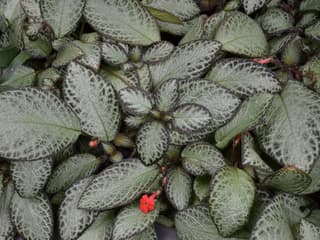
| Flame Violet | Easy | Partial shade | 7d | ✓ |
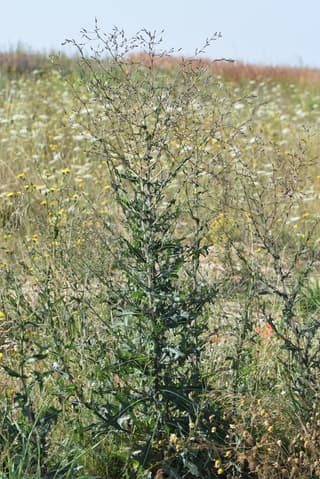
| Prickly Lettuce | Easy | Direct sun | 7d | ✓ |
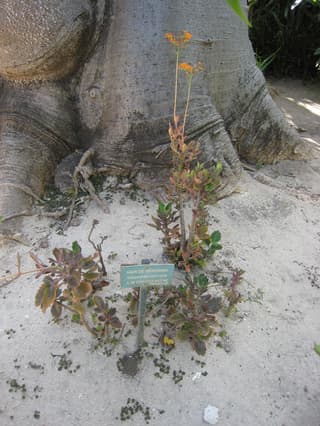
| Christmas Tree Plant | Easy | Bright indirect | 10d | ⚠️ |
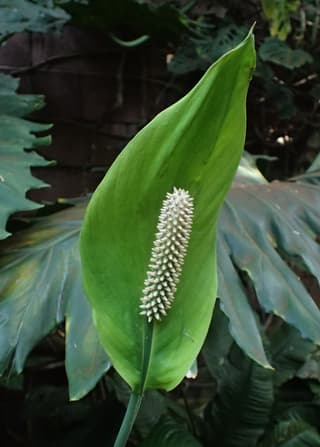
| Peace Lily | Easy | Low light | 7d | ⚠️ |