Pteridaceae
Maidenhair Fern (Adiantum capillus-veneris)
Adiantum capillus-veneris
Maidenhair Fern needs bright indirect light, consistently moist soil, and high humidity (60-80%). Water every 4-5 days, never let it dry out. Keep in temperatures between 15-27°C. Fertilize monthly during growing season at half strength.
Every 5 days
Low light
15° - 27°C
60% - 80%
Categories
What is Maidenhair Fern?
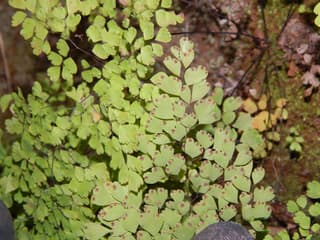
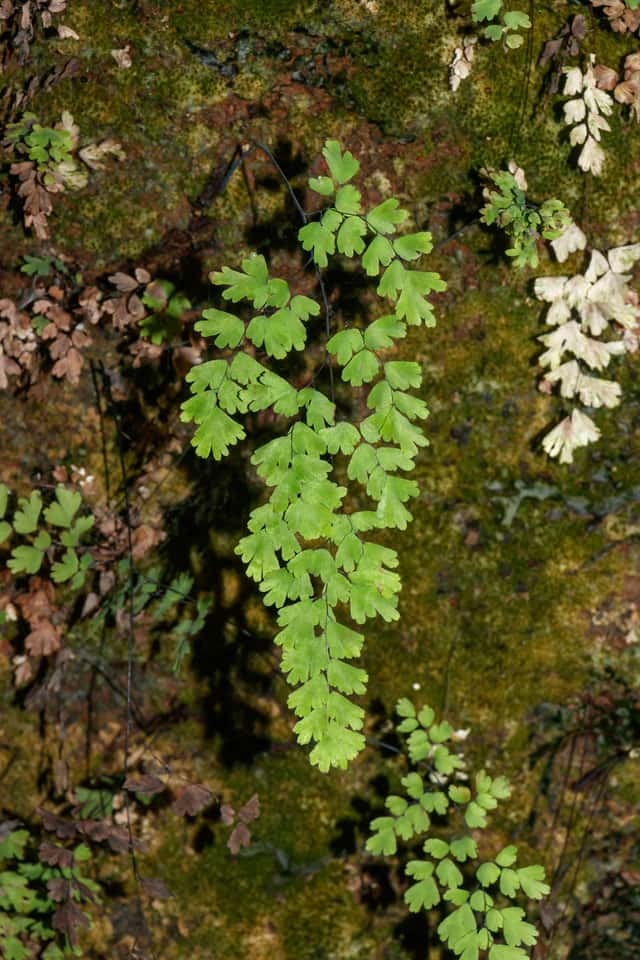
Maidenhair Fern (Adiantum capillus-veneris) is a hard-care plant from the Pteridaceae family. Adiantum capillus-veneris, commonly known as the Maidenhair Fern, is one of the most elegant and delicate ferns in cultivation. Native to temperate and tropical regions worldwide, it features graceful, fan-shaped pinnae on black, wiry stems. Despite its ethereal beauty, it is notoriously demanding,...
Maidenhair Fern grows up to 45cm, with spread of 60cm, watering every 5 days, 15°C – 27°C, 60–80% humidity. It is suitable for indoor environments and safe for pets.
Unlike easy-care plants, Maidenhair Fern demands constant attention to humidity and light. Not recommended for beginners. Unlike many popular species, Maidenhair Fern is safe to keep around pets. Without adequate drainage, root rot can develop within 10 days.
How to Care for Maidenhair Fern?
TLDR: Maidenhair Fern needs Low light, watering every 5 days, and temperatures between 15-27°C with 60-80% humidity.
How Often Should You Water Maidenhair Fern?
Keep the soil consistently moist but never waterlogged. Water when the top of the soil feels slightly dry. Avoid wetting the delicate fronds directly — lift them gently and water the soil underneath.
How Much Light Does Maidenhair Fern Need?
Provide bright indirect or filtered light. Avoid direct sunlight, which will scorch the delicate fronds. A north-facing window or a spot with dappled light is ideal.
What Is the Best Soil for Maidenhair Fern?
Use a well-draining, humus-rich mix. A blend of peat, perlite, and compost works well. Prefers neutral to slightly alkaline pH (6.0-8.0).
What Pot Should You Use for Maidenhair Fern?
A shallow, wide pot with good drainage holes is ideal. Terracotta pots help with air circulation but may dry out faster — glazed ceramic or plastic pots help retain moisture better for this humidity-loving fern.
Care Schedule
Fertilize
Every 30 days
Misting
Every 2 days
Rotate
Every 14 days
Repot
Every 365 days
What Is Maidenhair Fern and Where Does It Come From?
Adiantum capillus-veneris, commonly known as the Maidenhair Fern, is one of the most elegant and delicate ferns in cultivation. Native to temperate and tropical regions worldwide, it features graceful, fan-shaped pinnae on black, wiry stems. Despite its ethereal beauty, it is notoriously demanding, requiring consistent moisture and high humidity to thrive. Its name derives from Latin, meaning "hair of Venus," reflecting its longstanding association with beauty and mythology.
How to Propagate Maidenhair Fern?
Division
Best done in spring when the plant is actively growing. Water well after dividing and maintain high humidity.
- 1 Carefully remove the fern from its pot
- 2 Gently divide the root ball into sections, each with several fronds
- 3 Plant each division in fresh, moist potting mix
- 4 Keep divisions in a humid, shaded spot until established
Materials needed:
Spore propagation
Spore propagation requires patience and sterile conditions. Mist regularly and do not disturb the surface.
- 1 Collect mature fronds with visible sporangia (brown dots on undersides)
- 2 Place frond face-down on white paper and let spores fall
- 3 Sprinkle spores on moist sterile potting mix
- 4 Cover with clear plastic to maintain humidity
- 5 Keep in bright indirect light at 20-24°C
Materials needed:
How Big Does Maidenhair Fern Grow?
TLDR: Maidenhair Fern can reach up to 45cm tall with Slow growth rate.
Max height
45cm
Spread
60cm
Growth rate
Slow
Foliage
Evergreen
Plant Uses
Ornamental
Great for decoration
Medicinal
Medicinal properties
Air Purifying
Improves air quality
Medicinal Uses
- Traditional remedy for respiratory ailments
- Used in Iranian traditional medicine for jaundice
- Navajo people used infusions for insect stings
Is your plant showing symptoms?
Click on the symptom to discover possible causes:
What Diseases Commonly Affect Maidenhair Fern?
TLDR: Maidenhair Fern is susceptible to 8 known diseases. Monitor regularly for early detection.
Scale Insects
Scale insects are small sap-sucking pests that appear as brown, shell-like bumps on plant stems and leaves. There are over 25 species, divided into armored (hard) and unarmored (soft) scales. They feed by piercing plant tissue and extracting sap, which weakens the plant and can lead to yellowing, stunted growth, and even death if left untreated. They also excrete honeydew, which attracts ants and promotes sooty mold growth.
Mealybugs
Mealybugs are small, soft-bodied insects covered with a white, waxy, cottony material. They are common pests of houseplants and outdoor plants in mild climates. These sap-sucking insects feed on plant tissue, causing damage, stunted growth, and can lead to plant death if left untreated. They produce sticky honeydew which attracts sooty mold.
Spider Mites
Spider mites are tiny arachnids (less than 1/20 inch long) related to spiders and ticks that feed on plant sap. They thrive in hot, dry conditions and can cause significant damage to ornamental and vegetable plants. During severe infestations, crop losses can reach 14% or higher as these pests disrupt vital plant processes including photosynthesis, carbon dioxide absorption, and transpiration.
Root Rot
Root rot is a serious fungal disease that affects the root system of plants, causing them to decay and die. It is primarily caused by overwatering, poor drainage, or soil-borne fungi such as Pythium, Phytophthora, Rhizoctonia, and Fusarium. The disease thrives in waterlogged conditions where roots are deprived of oxygen, making them susceptible to fungal infection.
Meaning & Symbolism
Traditionally associated with Venus, the goddess of love. In Victorian flower language, it symbolizes secret love and discretion. Its delicate fronds have been used in art and mythology across many cultures.
Fun Facts
Its name comes from Latin "capillus-veneris" meaning "hair of Venus"
It is found naturally on every continent except Antarctica
The Navajo people traditionally used it to treat insect stings
It has been used in traditional medicine across cultures for over 2000 years
Frequently asked questions
How often should I water my Maidenhair Fern?
Why are my Maidenhair Fern leaves turning brown?
Is Maidenhair Fern toxic to pets?
Can I grow Maidenhair Fern in a bathroom?
Compare with similar plants
| Attribute | Difficulty | Light | Watering | Pet Safe |
|---|---|---|---|---|
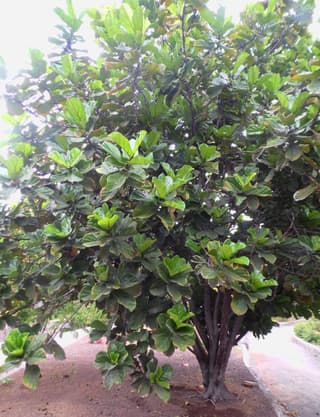
| Fiddle Leaf Fig | Hard | Bright indirect | 10d | ⚠️ |
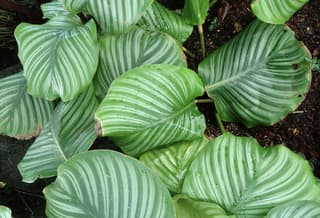
| Round-leaf Calathea | Hard | Partial shade | 7d | ✓ |
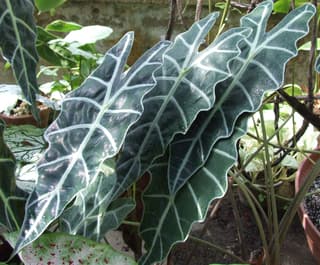
| African Mask Plant | Hard | Partial shade | 5d | ⚠️ |
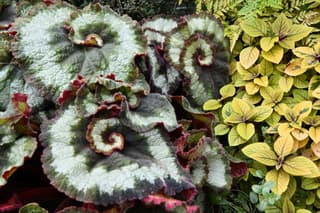
| Rex Begonia | Hard | Partial shade | 7d | ⚠️ |