Iridaceae
Baboon Flower (Babiana stricta)
Babiana stricta
Babiana stricta is an easy-to-grow bulbous plant that thrives in full sun with well-draining soil. Water regularly during its growing season (winter to spring), then allow the corms to dry out during summer dormancy. Plant in containers in colder climates and store at 5°C in winter.
Every 7 days
Bright indirect
5° - 24°C
40% - 60%
Categories
What is Baboon Flower?
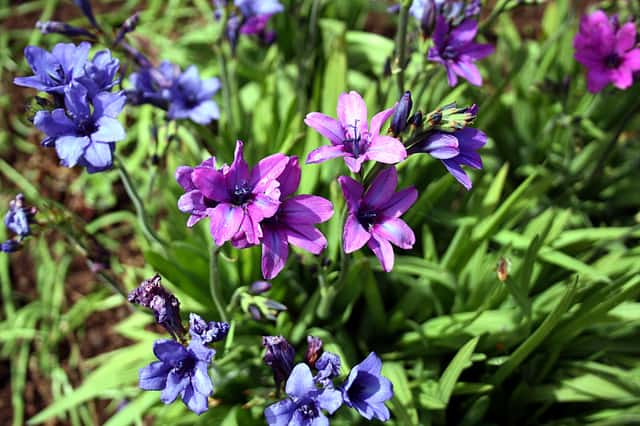
Baboon Flower (Babiana stricta) is a easy-care plant from the Iridaceae family. Babiana stricta, commonly known as the Baboon Flower or Blue Freesia, is a cormous perennial native to the Cape Province of South Africa. It produces beautiful blue, purple, or pink cup-shaped flowers in spring, rising from hairy, upright leaves. The plant grows 10–30 cm tall and is a popular garden...
Baboon Flower grows up to 30cm, with spread of 5cm, watering every 7 days, 5°C – 24°C, 40–60% humidity. It is suitable for indoor environments and safe for pets.
Unlike many tropical plants, Baboon Flower tolerates watering mistakes. Best for beginners. Unlike many popular species, Baboon Flower is safe to keep around pets. Without adequate drainage, root rot can develop within 14 days.
How to Care for Baboon Flower?
TLDR: Baboon Flower needs Bright indirect, watering every 7 days, and temperatures between 5-24°C with 40-60% humidity.
How Often Should You Water Baboon Flower?
Water every 7 days during the growing season (winter through spring). Reduce watering significantly once leaves die back in summer, allowing corms to go dormant in dry soil.
How Much Light Does Baboon Flower Need?
Baboon Flower needs full sun — at least 6 hours of direct sunlight per day. It tolerates light partial shade but blooms best in a sunny spot.
What Is the Best Soil for Baboon Flower?
Use well-draining, sandy or loamy soil enriched with organic matter. A pH of 6.0–8.0 is ideal. Avoid heavy clay soils that retain moisture, as they can cause corm rot.
What Pot Should You Use for Baboon Flower?
Terracotta pots or clay containers are ideal as they allow excess moisture to evaporate quickly, preventing corm rot. Ensure the pot has drainage holes.
Care Schedule
Fertilize
Every 30 days
What Is Baboon Flower and Where Does It Come From?
Babiana stricta, commonly known as the Baboon Flower or Blue Freesia, is a cormous perennial native to the Cape Province of South Africa. It produces beautiful blue, purple, or pink cup-shaped flowers in spring, rising from hairy, upright leaves. The plant grows 10–30 cm tall and is a popular garden ornamental in mild climates.
How to Propagate Baboon Flower?
Seed propagation
Seedlings take 2–3 years to flower. Division of corms is faster and more reliable.
- 1 Collect seeds as soon as ripe in autumn
- 2 Sow in a seed tray at 13–15°C
- 3 Keep moist and wait 6 weeks for germination
- 4 Leave seedlings undisturbed for 2 years before transplanting
Materials needed:
Corm division
Remove only well-formed offsets. Store corms in paper bags, not plastic, to prevent rot.
- 1 Lift corms after flowering in late spring
- 2 Separate offset cormlets from the mother corm
- 3 Store in a cool, dry place during summer
- 4 Replant offsets in autumn at 5–8 cm depth
Materials needed:
How Big Does Baboon Flower Grow?
TLDR: Baboon Flower can reach up to 30cm tall with Slow growth rate.
Max height
30cm
Spread
5cm
Growth rate
Slow
Foliage
Deciduous
Plant Uses
Ornamental
Great for decoration
Is your plant showing symptoms?
Click on the symptom to discover possible causes:
What Diseases Commonly Affect Baboon Flower?
TLDR: Baboon Flower is susceptible to 5 known diseases. Monitor regularly for early detection.
Spider Mites
Spider mites are tiny arachnids (less than 1/20 inch long) related to spiders and ticks that feed on plant sap. They thrive in hot, dry conditions and can cause significant damage to ornamental and vegetable plants. During severe infestations, crop losses can reach 14% or higher as these pests disrupt vital plant processes including photosynthesis, carbon dioxide absorption, and transpiration.
Root Rot
Root rot is a serious fungal disease that affects the root system of plants, causing them to decay and die. It is primarily caused by overwatering, poor drainage, or soil-borne fungi such as Pythium, Phytophthora, Rhizoctonia, and Fusarium. The disease thrives in waterlogged conditions where roots are deprived of oxygen, making them susceptible to fungal infection.
Gray Mold (Botrytis Blight)
Gray mold, caused by the fungus Botrytis cinerea, is one of the most common fungal diseases in plants. It affects over 200 plant species, including ornamentals, vegetables, fruits, and houseplants. The disease thrives in cool, humid conditions with poor air circulation, causing grayish spots and soft rot on infected tissues.
Powdery Mildew
Powdery mildew is a common fungal disease caused by various fungi species including Erysiphe, Podosphaera, Oïdium, and Leveillula. It affects over 10,000 plant species worldwide. The disease thrives in warm, dry climates with high humidity and appears as a distinctive white powdery coating on plant surfaces.
Fun Facts
The name "baboon flower" comes from baboons in South Africa, who dig up and eat the corms of wild Babiana plants.
Babiana stricta is native to the Cape Floristic Region, one of the world's six floral kingdoms and a global biodiversity hotspot.
The genus Babiana contains over 90 species, all native to southern Africa.
Frequently asked questions
How often should I water Baboon Flower?
Does Babiana stricta grow well indoors?
When does Baboon Flower bloom?
Is Baboon Flower toxic to pets?
How do I store Babiana corms in winter?
Compare with similar plants
| Attribute | Difficulty | Light | Watering | Pet Safe |
|---|---|---|---|---|
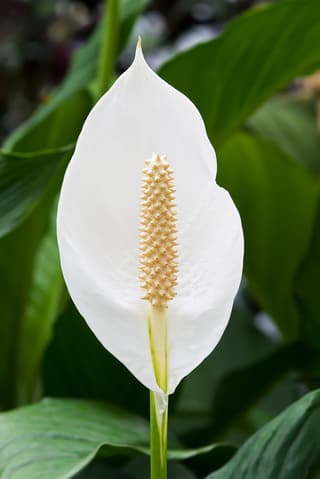
| Peace Lily | Easy | Low light | 4d | ⚠️ |
| Swiss Cheese Plant | Easy | Partial shade | 10d | ⚠️ |
| Golden Pothos | Easy | Low light | 8d | ⚠️ |
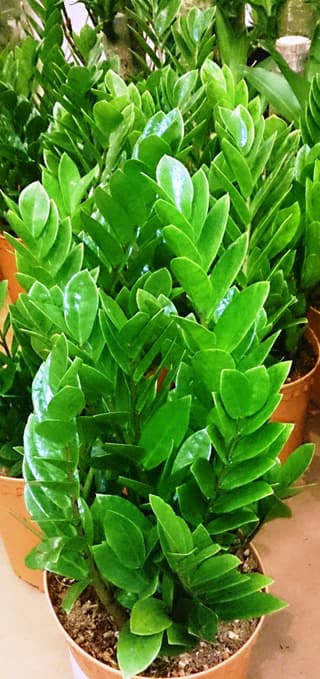
| ZZ Plant | Easy | Low light | 18d | ⚠️ |