Verbenaceae
Bushy Lippia (Lippia alba): The Aromatic Medicinal Shrub
Lippia alba
Easy to grow and highly resilient. Provide full sun to partial shade, water moderately every 7–14 days allowing soil to dry slightly between waterings. Plant in well-draining soil with a pH of 6.0–7.5. Prune regularly to encourage bushy growth. Fertilize with organic matter every 30 days during the growing season.
Every 10 days
Bright indirect
10° - 38°C
50% - 80%
Categories
What is Bushy Lippia?
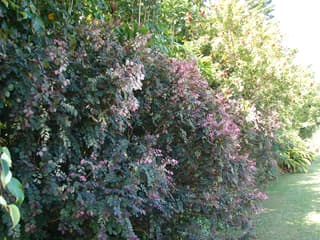
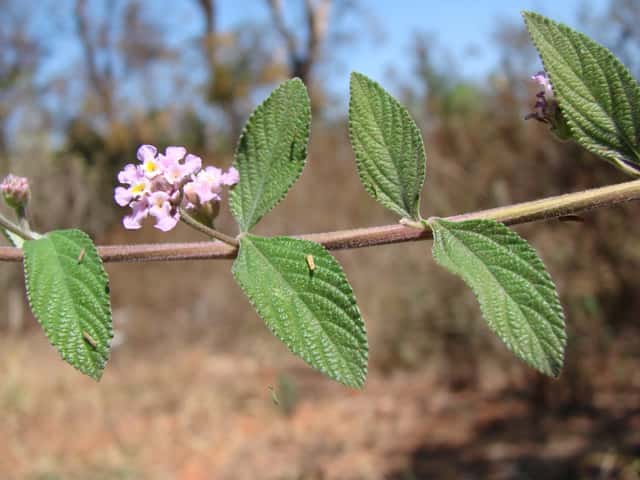
Bushy Lippia (Lippia alba) is a easy-care plant from the Verbenaceae family. Bushy Lippia (Lippia alba) is a fast-growing, aromatic perennial shrub native to tropical and subtropical Americas, from Argentina to southern Mexico, and widely naturalized across the Caribbean and parts of Asia and Australia. It features small, elliptical, rough-textured leaves with serrated edges...
Bushy Lippia grows up to 2.0m, spread of 150cm, watering every 10 days, 10°C – 38°C, 50–80% humidity. It is suitable for indoor environments and safe for pets.
Unlike many tropical plants, Bushy Lippia tolerates watering mistakes. Best for beginners. Unlike many popular species, Bushy Lippia is safe to keep around pets. Without adequate drainage, root rot can develop within 20 days.
How to Care for Bushy Lippia?
TLDR: Bushy Lippia needs Bright indirect, watering every 10 days, and temperatures between 10-38°C with 50-80% humidity.
How Often Should You Water Bushy Lippia?
Water every 7 to 14 days, allowing the top layer of soil to dry out between waterings. Bushy Lippia is drought-tolerant once established, but regular watering promotes lush growth. Reduce watering in winter. Avoid waterlogging — it is the most common cause of root rot in this species.
How Much Light Does Bushy Lippia Need?
Bushy Lippia thrives in full sun and requires at least 4–6 hours of direct sunlight daily. It tolerates partial shade but may become leggy and produce fewer flowers. Indoors, place it near a south- or west-facing window with maximum light exposure.
What Is the Best Soil for Bushy Lippia?
Prefers light, well-draining, moderately fertile soil. A mix of loam and coarse sand or perlite works well. pH range of 6.0–7.5 is ideal. Avoid heavy clay soils or those that stay wet for prolonged periods.
What Pot Should You Use for Bushy Lippia?
Terracotta or ceramic pots with drainage holes are ideal. A pot at least 20–30 cm in diameter allows for healthy root development. Also thrives in garden beds, raised planters, or hedgerow borders.
Care Schedule
Fertilize
Every 30 days
Repot
Every 730 days
What Is Bushy Lippia and Where Does It Come From?
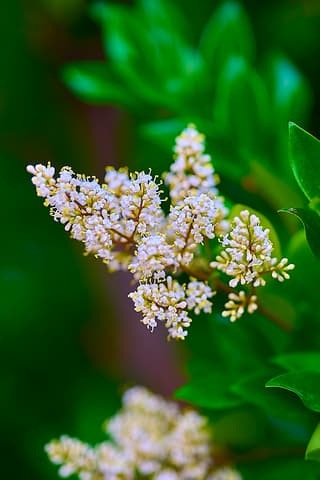
Bushy Lippia (Lippia alba) is a fast-growing, aromatic perennial shrub native to tropical and subtropical Americas, from Argentina to southern Mexico, and widely naturalized across the Caribbean and parts of Asia and Australia. It features small, elliptical, rough-textured leaves with serrated edges that release a pleasant citrus-herbal scent when crushed. Tiny white to lilac flowers arranged in dense clusters bloom from spring through summer, attracting bees and other pollinators. Highly adaptable and resilient, it thrives in a wide range of conditions and is valued both as an ornamental and a potent medicinal herb.
How to Propagate Bushy Lippia?
Stem Cuttings
Use semi-mature (not fully woody) stems for best results. Consistent moisture without waterlogging is key. Rooting hormone can improve success rates but is not required.
- 1 Cut a healthy stem 10–15 cm long, removing leaves from the lower third
- 2 Allow the cut end to dry for a few hours to reduce rot risk
- 3 Insert cutting into moist, well-draining potting mix
- 4 Keep lightly moist and out of direct harsh sunlight until rooted
- 5 Transplant to final location once new leaf growth appears
Materials needed:
Seeds
Germination rates can be variable. Stem cuttings are preferred for faster and more uniform results.
- 1 Sow seeds in a tray with light, moist potting medium
- 2 Cover lightly with a thin layer of soil
- 3 Keep in a warm, bright location
- 4 Transplant seedlings when they reach 5–8 cm tall
Materials needed:
How Big Does Bushy Lippia Grow?
TLDR: Bushy Lippia can reach up to 2.0m tall with Fast growth rate.
Max height
2.0m
Spread
1.5m
Growth rate
Fast
Foliage
Evergreen
Plant Uses
Ornamental
Great for decoration
Medicinal
Medicinal properties
Aromatic
Pleasant fragrance
Medicinal Uses
- Leaf tea for anxiety, insomnia, and nervous tension
- Infusion to relieve digestive cramps and stomach discomfort
- External compress for fever relief and muscle aches
- Essential oil with proven antibacterial and anti-inflammatory properties
- Aromatic baths for relaxation and stress relief
Culinary Uses
- Fresh leaves used to flavor soups, broths, and herbal teas
- Young leaves occasionally used as a cooked vegetable
Is your plant showing symptoms?
Click on the symptom to discover possible causes:
What Diseases Commonly Affect Bushy Lippia?
TLDR: Bushy Lippia is susceptible to 5 known diseases. Monitor regularly for early detection.
Root Rot
Root rot is a serious fungal disease that affects the root system of plants, causing them to decay and die. It is primarily caused by overwatering, poor drainage, or soil-borne fungi such as Pythium, Phytophthora, Rhizoctonia, and Fusarium. The disease thrives in waterlogged conditions where roots are deprived of oxygen, making them susceptible to fungal infection.
Powdery Mildew
Powdery mildew is a common fungal disease caused by various fungi species including Erysiphe, Podosphaera, Oïdium, and Leveillula. It affects over 10,000 plant species worldwide. The disease thrives in warm, dry climates with high humidity and appears as a distinctive white powdery coating on plant surfaces.
Aphids
Aphids are small, soft-bodied, pear-shaped insects (1/16 to 1/8 inch long) that feed by sucking nutrient-rich sap from plants. They reproduce rapidly and can quickly weaken plants, causing distorted growth and transmitting plant viruses. Aphids come in various colors including green, black, red, yellow, brown, and gray. They secrete honeydew, a sticky substance that attracts ants and encourages sooty mold growth.
Whiteflies
Whiteflies are small, soft-bodied, winged insects closely related to aphids and mealybugs. They are moth-like in appearance, about 1/16 inch long, triangular in shape, and gray-white in color. These sap-sucking pests feed on plant tissue, causing yellowing, stunted growth, and wilting. They also excrete honeydew, which attracts ants and promotes sooty mold growth. Whiteflies can transmit serious plant viruses.
Meaning & Symbolism
In Latin American folk tradition, Bushy Lippia symbolizes calm, healing, and domestic wellbeing. It is a plant of the home garden — present in backyards across Brazil and beyond as a symbol of natural medicine and familial care.
Fun Facts
Despite sharing the common name "lemon verbena" with Aloysia citrodora, Lippia alba belongs to the same family but is a distinct species with a different essential oil composition.
The essential oil of Lippia alba contains linalool, citral, and limonene — compounds actively researched for antimicrobial and anti-inflammatory applications.
Lippia alba is one of the most widely studied medicinal plants in South America, with hundreds of scientific publications documenting its pharmacological properties.
Its flowers are an excellent nectar source for bees, making it a valuable plant for pollinator-friendly gardens and small-scale apiaries.
Frequently asked questions
How often should I water Bushy Lippia?
Can Bushy Lippia be grown indoors?
Is Lippia alba toxic to pets or humans?
When does Bushy Lippia bloom?
How do I propagate Bushy Lippia?
Compare with similar plants
| Attribute | Difficulty | Light | Watering | Pet Safe |
|---|---|---|---|---|
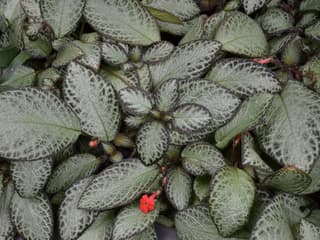
| Flame Violet | Easy | Partial shade | 7d | ✓ |
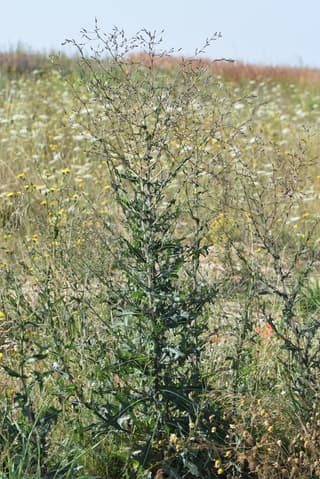
| Prickly Lettuce | Easy | Direct sun | 7d | ✓ |
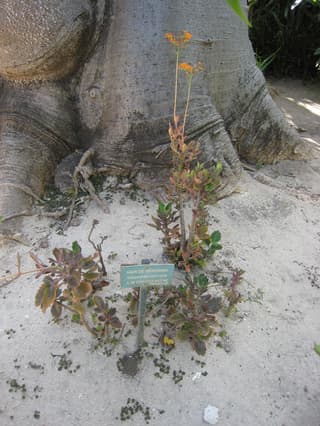
| Christmas Tree Plant | Easy | Bright indirect | 10d | ⚠️ |
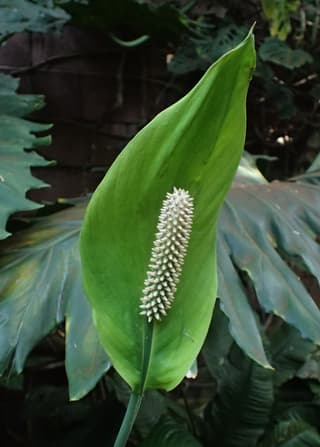
| Peace Lily | Easy | Low light | 7d | ⚠️ |