Asparagaceae
Bamboo Dracaena: The Slender, Low-Maintenance Houseplant
Dracaena bacularis
Very low-maintenance plant. Water every 10-14 days in summer and less in winter. Prefers bright indirect light but tolerates low light. Avoid overwatering and use well-draining soil.
Every 12 days
Partial shade
18° - 27°C
30% - 50%
Categories
What is Bamboo Dracaena?
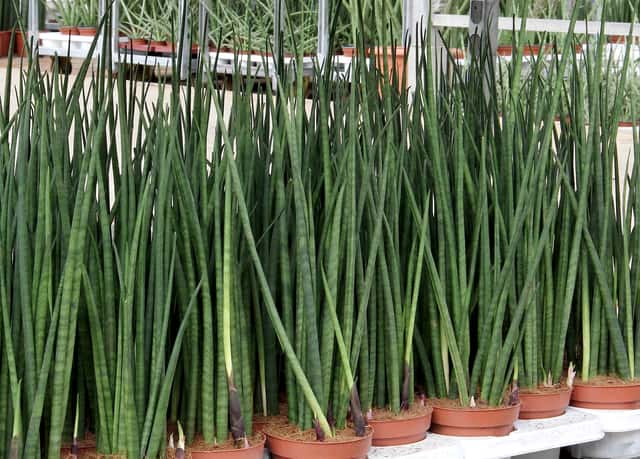
Bamboo Dracaena (Dracaena bacularis) is a easy-care plant from the Asparagaceae family. Dracaena bacularis, commonly known as Bamboo Dracaena or Skinny Snake Plant, is a slender succulent native to the arid regions of Central Africa, particularly Angola. Its thin, cylindrical stems resemble bamboo canes, giving rise to its popular nickname. This plant is exceptionally resilient and beg...
Bamboo Dracaena grows up to 1.2m, with spread of 60cm, watering every 12 days, 18°C – 27°C, 30–50% humidity. It is suitable for indoor environments and not safe for pets.
Unlike many tropical plants, Bamboo Dracaena tolerates watering mistakes. Best for beginners. Without precautions, ingestion can cause irritation in pets. Keep out of reach of cats and dogs. Without adequate drainage, root rot can develop within 24 days.
How to Care for Bamboo Dracaena?
TLDR: Bamboo Dracaena needs Partial shade, watering every 12 days, and temperatures between 18-27°C with 30-50% humidity.
How Often Should You Water Bamboo Dracaena?
Water only when the top 2-3 cm of soil is completely dry, approximately every 10-14 days. Reduce to once a month in winter. Use fluoride-free water to prevent leaf tip burn.
How Much Light Does Bamboo Dracaena Need?
Thrives in bright indirect light (1000–8000 lux). Tolerates lower light conditions, though growth will slow. Avoid intense direct sunlight, which can scorch the leaves.
What Is the Best Soil for Bamboo Dracaena?
Use a well-draining succulent or cactus mix, or combine regular potting soil with perlite and sand in equal parts. Ideal pH is 6.0–7.5. Never let the plant sit in waterlogged soil.
What Pot Should You Use for Bamboo Dracaena?
Terracotta or ceramic pot with drainage holes. Avoid oversized pots as excess soil retains moisture and can cause root rot.
Care Schedule
Fertilize
Every 30 days
Repot
Every 540 days
What Is Bamboo Dracaena and Where Does It Come From?
Dracaena bacularis, commonly known as Bamboo Dracaena or Skinny Snake Plant, is a slender succulent native to the arid regions of Central Africa, particularly Angola. Its thin, cylindrical stems resemble bamboo canes, giving rise to its popular nickname. This plant is exceptionally resilient and beginner-friendly, tolerating low light, infrequent watering, and dry indoor air with ease.
How to Propagate Bamboo Dracaena?
Clump Division
Divide in spring for best results. Use clean, sterilized tools to prevent disease transmission.
- 1 Carefully remove the plant from its pot
- 2 Separate offsets with intact roots using clean scissors
- 3 Plant each division in well-draining substrate
- 4 Water lightly and place in indirect light
Materials needed:
How Big Does Bamboo Dracaena Grow?
TLDR: Bamboo Dracaena can reach up to 1.2m tall with Slow growth rate.
Max height
1.2m
Spread
60cm
Growth rate
Slow
Foliage
Evergreen
Warning: Toxic Plant
This plant can be toxic if ingested. Keep out of reach of:
Plant Uses
Ornamental
Great for decoration
Air Purifying
Improves air quality
Is your plant showing symptoms?
Click on the symptom to discover possible causes:
What Diseases Commonly Affect Bamboo Dracaena?
TLDR: Bamboo Dracaena is susceptible to 10 known diseases. Monitor regularly for early detection.
Root Rot
Root rot is a serious fungal disease that affects the root system of plants, causing them to decay and die. It is primarily caused by overwatering, poor drainage, or soil-borne fungi such as Pythium, Phytophthora, Rhizoctonia, and Fusarium. The disease thrives in waterlogged conditions where roots are deprived of oxygen, making them susceptible to fungal infection.
Overwatering
Overwatering occurs when plants receive too much water, depriving roots of oxygen and causing root rot. This environmental stress is one of the most common causes of houseplant death, as waterlogged soil prevents roots from breathing and functioning properly.
Leaf Tip Necrosis
Leaf tip necrosis, also known as tip burn, is a non-infectious environmental condition where the tips and edges of leaves turn brown, dry, and crispy. This occurs due to various stress factors affecting the plant's ability to maintain healthy tissue at the leaf extremities.
Spider Mites
Spider mites are tiny arachnids (less than 1/20 inch long) related to spiders and ticks that feed on plant sap. They thrive in hot, dry conditions and can cause significant damage to ornamental and vegetable plants. During severe infestations, crop losses can reach 14% or higher as these pests disrupt vital plant processes including photosynthesis, carbon dioxide absorption, and transpiration.
Meaning & Symbolism
Symbolizes resilience and adaptability, thriving even in the most challenging conditions.
Fun Facts
Dracaena bacularis was formerly classified under the genus Sansevieria before being reclassified in 2017.
Its thin cylindrical stems resemble bamboo canes, but it has no botanical relation to true bamboo.
It is one of the most drought-tolerant houseplants, capable of surviving weeks without water.
Like all dracaenas, it helps purify indoor air by absorbing pollutants such as benzene and formaldehyde.
Frequently asked questions
How often should I water Bamboo Dracaena?
Is Dracaena bacularis toxic to cats and dogs?
Can Bamboo Dracaena survive in low light?
How often should I fertilize Bamboo Dracaena?
Compare with similar plants
| Attribute | Difficulty | Light | Watering | Pet Safe |
|---|---|---|---|---|
| Peace Lily | Easy | Low light | 4d | ⚠️ |
| Swiss Cheese Plant | Easy | Partial shade | 10d | ⚠️ |
| Golden Pothos | Easy | Low light | 8d | ⚠️ |
| ZZ Plant | Easy | Low light | 18d | ⚠️ |