Asparagaceae
Lucky Bamboo - Dracaena sanderiana Care Guide
Dracaena sanderiana
Lucky Bamboo is one of the easiest houseplants to care for. It thrives in bright, indirect light and can grow in water alone or well-draining soil. Change water weekly if growing hydroponically. Use distilled or filtered water to avoid fluoride and chlorine damage. Fertilize sparingly every 2 months.
Every 7 days
Partial shade
18° - 27°C
50% - 80%
Categories
What is Lucky Bamboo?
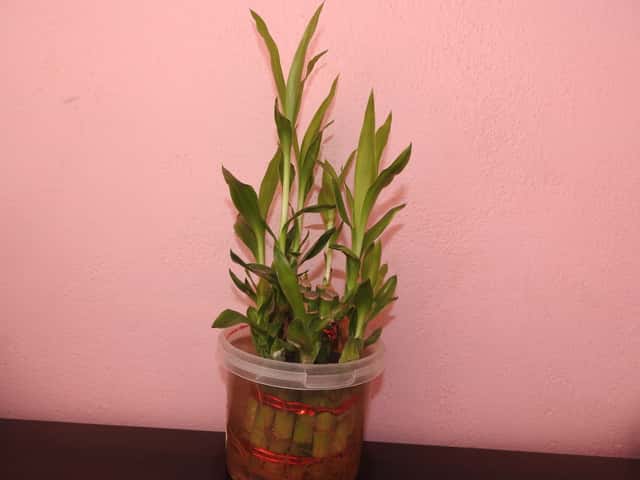
Lucky Bamboo (Dracaena sanderiana) is a easy-care plant from the Asparagaceae family. Lucky Bamboo (Dracaena sanderiana) is a popular indoor plant native to Central Africa, despite its association with Asian culture and Feng Shui. It is not actually a bamboo but belongs to the Asparagaceae family. Known for its resilience and elegant twisted stems, it can grow in both water and soil....
Lucky Bamboo grows up to 1.5m, with spread of 60cm, watering every 7 days, 18°C – 27°C, 50–80% humidity. It is suitable for indoor environments and not safe for pets.
Unlike many tropical plants, Lucky Bamboo tolerates watering mistakes. Best for beginners. Without precautions, ingestion can cause irritation in pets. Keep out of reach of cats and dogs. Without adequate drainage, root rot can develop within 14 days.
How to Care for Lucky Bamboo?
TLDR: Lucky Bamboo needs Partial shade, watering every 7 days, and temperatures between 18-27°C with 50-80% humidity.
How Often Should You Water Lucky Bamboo?
If growing in water, keep roots submerged and change water every 1-2 weeks. Use distilled or filtered water — tap water with fluoride and chlorine causes brown leaf tips. If growing in soil, water when the top inch feels dry.
How Much Light Does Lucky Bamboo Need?
Place in bright, indirect light. Avoid direct sunlight, which scorches the leaves and causes yellowing. The plant tolerates moderate light but grows best with consistent bright filtered light.
What Is the Best Soil for Lucky Bamboo?
Use a well-draining potting mix with slightly acidic pH (6.0-6.5). Can also be grown in pebbles and water alone. If using soil, a mix of peat, perlite, and regular potting soil works well.
What Pot Should You Use for Lucky Bamboo?
Glass vases for hydroponic growth, or ceramic pots with drainage holes for soil cultivation. Decorative containers with pebbles and water are also popular.
Care Schedule
Fertilize
Every 60 days
Misting
Every 7 days
Rotate
Every 14 days
Repot
Every 365 days
What Is Lucky Bamboo and Where Does It Come From?
Lucky Bamboo (Dracaena sanderiana) is a popular indoor plant native to Central Africa, despite its association with Asian culture and Feng Shui. It is not actually a bamboo but belongs to the Asparagaceae family. Known for its resilience and elegant twisted stems, it can grow in both water and soil. The plant is prized for its air-purifying properties, removing benzene and other toxins from indoor air.
How to Propagate Lucky Bamboo?
Stem Cutting
Use clean tools to prevent infection. Change water weekly to prevent stagnation.
- 1 Select a healthy stem at least 15cm long with at least one node
- 2 Cut just below a node using clean, sharp scissors
- 3 Place the cutting in clean distilled water
- 4 Keep in bright indirect light and change water weekly
- 5 Once roots are 5cm long, transplant to soil or keep in water
Materials needed:
Water Propagation
Avoid placing in direct sunlight during rooting. Keep water level consistent.
- 1 Cut a healthy offshoot with at least one leaf node
- 2 Place in a clean glass with distilled water
- 3 Position in bright indirect light
- 4 Change water every 5-7 days
- 5 Roots will develop from the node within weeks
Materials needed:
How Big Does Lucky Bamboo Grow?
TLDR: Lucky Bamboo can reach up to 1.5m tall with Slow growth rate.
Max height
1.5m
Spread
60cm
Growth rate
Slow
Foliage
Evergreen
Warning: Toxic Plant
This plant can be toxic if ingested. Keep out of reach of:
Plant Uses
Ornamental
Great for decoration
Air Purifying
Improves air quality
Is your plant showing symptoms?
Click on the symptom to discover possible causes:
What Diseases Commonly Affect Lucky Bamboo?
TLDR: Lucky Bamboo is susceptible to 8 known diseases. Monitor regularly for early detection.
Root Rot
Root rot is a serious fungal disease that affects the root system of plants, causing them to decay and die. It is primarily caused by overwatering, poor drainage, or soil-borne fungi such as Pythium, Phytophthora, Rhizoctonia, and Fusarium. The disease thrives in waterlogged conditions where roots are deprived of oxygen, making them susceptible to fungal infection.
Leaf Spot
Leaf spot is a common fungal disease caused by various pathogens including Alternaria, Ascochyta, Colletotrichum, Septoria, and Venturia. It primarily affects leaves, causing discolored spots that can lead to premature leaf drop if left untreated.
Spider Mites
Spider mites are tiny arachnids (less than 1/20 inch long) related to spiders and ticks that feed on plant sap. They thrive in hot, dry conditions and can cause significant damage to ornamental and vegetable plants. During severe infestations, crop losses can reach 14% or higher as these pests disrupt vital plant processes including photosynthesis, carbon dioxide absorption, and transpiration.
Mealybugs
Mealybugs are small, soft-bodied insects covered with a white, waxy, cottony material. They are common pests of houseplants and outdoor plants in mild climates. These sap-sucking insects feed on plant tissue, causing damage, stunted growth, and can lead to plant death if left untreated. They produce sticky honeydew which attracts sooty mold.
Meaning & Symbolism
Symbol of good fortune, prosperity, and positive energy in Feng Shui. The number of stalks carries specific meanings: one for happiness, three for longevity, five for health, and eight for prosperity.
Fun Facts
Despite its name, Lucky Bamboo is not a bamboo at all — it belongs to the Asparagaceae family, related to asparagus
In Chinese culture, Lucky Bamboo has been a symbol of good fortune for over 4,000 years
The plant can survive for years growing in just water and pebbles, without any soil
Lucky Bamboo purifies indoor air by removing benzene and other harmful chemicals
Frequently asked questions
Is Lucky Bamboo toxic to pets?
Can Lucky Bamboo grow in just water?
Why are my Lucky Bamboo leaves turning yellow?
How many stalks of Lucky Bamboo should I get?
Compare with similar plants
| Attribute | Difficulty | Light | Watering | Pet Safe |
|---|---|---|---|---|
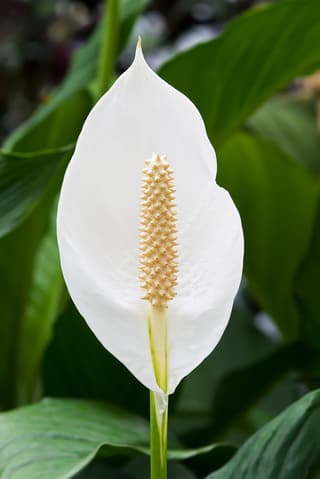
| Peace Lily | Easy | Low light | 4d | ⚠️ |
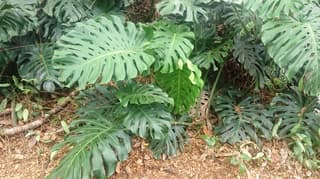
| Swiss Cheese Plant | Easy | Partial shade | 10d | ⚠️ |
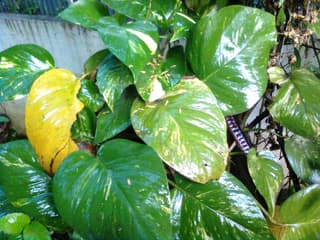
| Golden Pothos | Easy | Low light | 8d | ⚠️ |
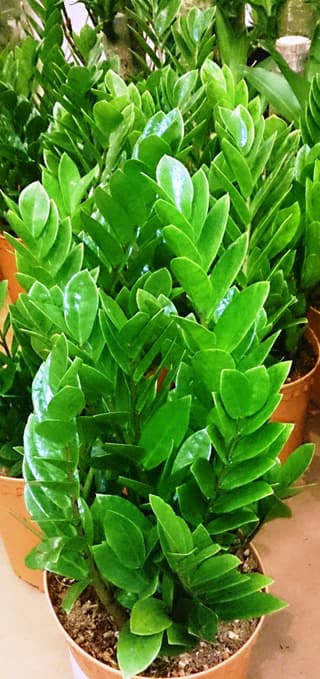
| ZZ Plant | Easy | Low light | 18d | ⚠️ |