Malpighiaceae
Barbados Cherry (Malpighia glabra): Complete Growing Guide
Malpighia glabra
Full-sun plant requiring at least 6 hours of direct sunlight daily. Water every 2-4 days allowing slight soil drying between waterings. Well-draining soil and monthly fertilization ensure abundant fruiting. Tolerates drought once established.
Every 3 days
Direct sun
5° - 34°C
50% - 80%
Categories
What is Barbados Cherry?
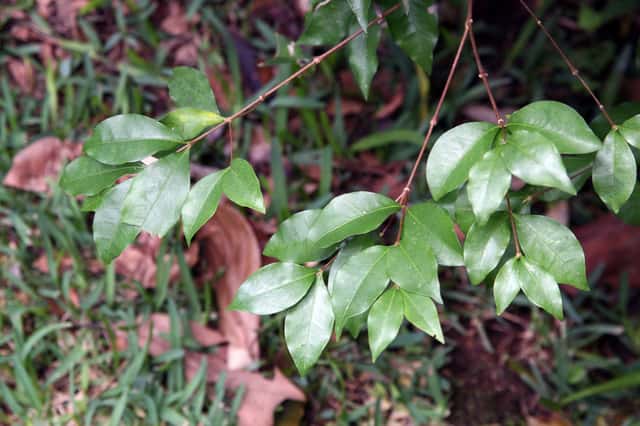
Barbados Cherry (Malpighia glabra) is a easy-care plant from the Malpighiaceae family. Malpighia glabra, commonly known as Barbados Cherry or Acerola, is a tropical fruit shrub native to the Caribbean and Central and South America. It is celebrated worldwide for producing one of the richest natural sources of vitamin C — small red cherries with a sweet-tart flavor that ripen multiple...
Barbados Cherry grows up to 3.0m, spread of 250cm, watering every 3 days, 5°C – 34°C, 50–80% humidity. It is suitable for indoor environments and safe for pets.
Unlike many tropical plants, Barbados Cherry tolerates watering mistakes. Best for beginners. Unlike many popular species, Barbados Cherry is safe to keep around pets. Without adequate drainage, root rot can develop within 7 days.
How to Care for Barbados Cherry?
TLDR: Barbados Cherry needs Direct sun, watering every 3 days, and temperatures between 5-34°C with 50-80% humidity.
How Often Should You Water Barbados Cherry?
Water every 2-4 days, letting the top inch of soil dry slightly between waterings. Established plants are drought tolerant. Avoid waterlogging, which can lead to root rot.
How Much Light Does Barbados Cherry Need?
Requires full sun with a minimum of 6 hours of direct sunlight per day. More sun means more flowers and fruit. Avoid partially shaded spots as they significantly reduce fruiting.
What Is the Best Soil for Barbados Cherry?
Prefers fertile, well-draining soil with a slightly acidic to neutral pH (5.5–7.5). Mix garden soil with coarse sand and organic compost. Avoid heavy clay soils that retain excess moisture.
What Pot Should You Use for Barbados Cherry?
Terracotta or ceramic pot with large drainage holes, or plant directly in the garden. For containers, use a minimum pot size of 40 cm diameter to allow good fruiting.
Care Schedule
Fertilize
Every 30 days
Repot
Every 730 days
What Is Barbados Cherry and Where Does It Come From?
Malpighia glabra, commonly known as Barbados Cherry or Acerola, is a tropical fruit shrub native to the Caribbean and Central and South America. It is celebrated worldwide for producing one of the richest natural sources of vitamin C — small red cherries with a sweet-tart flavor that ripen multiple times per year. Equally valued as an ornamental and edible plant.
How to Propagate Barbados Cherry?
Stem Cutting
Use semi-hardwood cuttings (not too green, not too woody). Cover with a clear plastic bag to retain humidity. Roots develop in 3-5 weeks.
- 1 Cut a healthy semi-hardwood stem 15-20 cm long
- 2 Remove leaves from the lower half of the cutting
- 3 Apply rooting hormone powder to the cut end
- 4 Plant in moist, well-draining propagation mix
- 5 Keep in a bright, indirect light location and maintain humidity until rooted
Materials needed:
Air Layering
Keep the moss consistently moist. More reliable than cuttings for mature plants.
- 1 Select a healthy branch 1-2 cm in diameter
- 2 Make a 3-4 cm ring cut removing the bark
- 3 Pack with moist sphagnum moss
- 4 Wrap tightly with clear plastic film
- 5 Secure both ends to maintain moisture
- 6 Cut the branch below the roots after 4-6 weeks
Materials needed:
Seed
Germination rate is low (around 20%). Stem cuttings are faster and more reliable.
- 1 Extract seeds from ripe fruit and rinse well
- 2 Plant immediately in moist propagation mix
- 3 Maintain temperatures above 22°C
- 4 Germination may take 30 to 150 days
- 5 Transplant when seedlings reach 10-15 cm
Materials needed:
How Big Does Barbados Cherry Grow?
TLDR: Barbados Cherry can reach up to 3.0m tall with Medium growth rate.
Max height
3.0m
Spread
2.5m
Growth rate
Medium
Foliage
Evergreen
Plant Uses
Ornamental
Great for decoration
Edible
Can be consumed
Medicinal
Medicinal properties
Medicinal Uses
- Extremely rich in vitamin C (up to 1,677 mg/100g), used to boost immunity
- Used in folk medicine for liver problems, diarrhea, and dysentery
- Extracts used in antioxidant supplements and natural cosmetics
Culinary Uses
- Fresh fruits eaten raw or juiced in smoothies and vitamins
- Made into jams, jellies, syrups, and tropical preserves
- Frozen pulp used in ice creams, sorbets, and cocktails
Is your plant showing symptoms?
Click on the symptom to discover possible causes:
What Diseases Commonly Affect Barbados Cherry?
TLDR: Barbados Cherry is susceptible to 10 known diseases. Monitor regularly for early detection.
Anthracnose
Anthracnose is a fungal disease caused by fungi in the genus Colletotrichum that affects many plants, including vegetables, fruits, and trees. The disease thrives in cool, wet conditions, causing dark, sunken lesions on leaves, stems, flowers, and fruits.
Root-Knot Nematodes
Root-knot nematodes (Meloidogyne species) are microscopic roundworms that parasitize plant roots, causing characteristic galls or knots. These soil-borne pests are among the most economically damaging plant pathogens worldwide, affecting a wide range of ornamental and edible plants. The nematodes inject enzymes into root cells, causing abnormal swelling and disrupting water and nutrient uptake.
Aphids
Aphids are small, soft-bodied, pear-shaped insects (1/16 to 1/8 inch long) that feed by sucking nutrient-rich sap from plants. They reproduce rapidly and can quickly weaken plants, causing distorted growth and transmitting plant viruses. Aphids come in various colors including green, black, red, yellow, brown, and gray. They secrete honeydew, a sticky substance that attracts ants and encourages sooty mold growth.
Scale Insects
Scale insects are small sap-sucking pests that appear as brown, shell-like bumps on plant stems and leaves. There are over 25 species, divided into armored (hard) and unarmored (soft) scales. They feed by piercing plant tissue and extracting sap, which weakens the plant and can lead to yellowing, stunted growth, and even death if left untreated. They also excrete honeydew, which attracts ants and promotes sooty mold growth.
Meaning & Symbolism
Symbol of vitality, health, and tropical abundance. Represents natural energy and well-being through its extraordinary vitamin C richness.
Fun Facts
Acerola contains up to 100 times more vitamin C than oranges per equivalent serving
It can produce fruit up to 6 times per year in hot tropical regions
The pink flowers attract bees and other pollinators, benefiting the entire garden
Native to the Caribbean, it is now cultivated throughout Brazil and tropical regions worldwide
Frequently asked questions
How often should I water my Barbados Cherry?
Can Barbados Cherry be grown in a pot?
How long does it take for Barbados Cherry to fruit?
Is Barbados Cherry toxic to pets?
Why is my Barbados Cherry not fruiting?
Compare with similar plants
| Attribute | Difficulty | Light | Watering | Pet Safe |
|---|---|---|---|---|
| Field Maple | Easy | Bright indirect | 14d | ✓ |
| Silver Birch | Easy | Direct sun | 14d | ✓ |
| Cushion Bush | Easy | Direct sun | 14d | ✓ |
| Peruvian peppertree | Easy | Direct sun | 14d | ⚠️ |