Lamiaceae
Lemon Basil — Growing & Care Guide
Ocimum × citriodorum
Lemon basil is an easy-to-grow annual herb that thrives in full sun and well-draining, fertile soil. Water regularly to keep the soil evenly moist, fertilize every 30 days during the growing season, and prune flower spikes every 2 weeks to encourage bushy, leafy growth. Bring indoors or grow as a houseplant in bright light.
Every 3 days
Direct sun
10° - 35°C
40% - 70%
Categories
What is Lemon Basil?
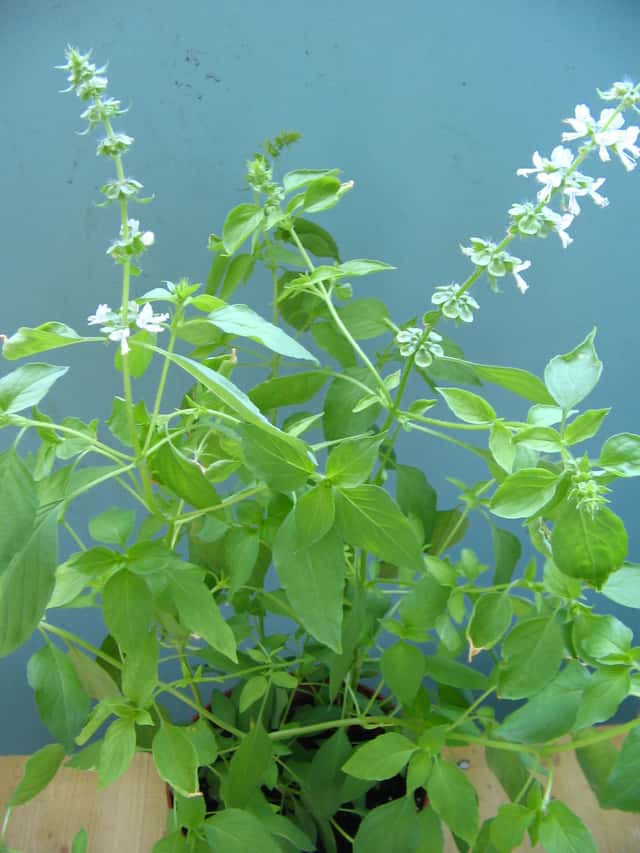
Lemon Basil (Ocimum × citriodorum) is a easy-care plant from the Lamiaceae family. Lemon basil (Ocimum × citriodorum) is a fragrant annual herb in the mint family (Lamiaceae), prized for its bright lemon scent derived from the compound citral. A natural hybrid between sweet basil and African basil, it grows 20–60 cm tall with narrow, slightly serrated leaves and small white flower...
Lemon Basil grows up to 60cm, spread of 60cm, watering every 3 days, 10°C – 35°C, 40–70% humidity. It is suitable for indoor environments and safe for pets.
Unlike many tropical plants, Lemon Basil tolerates watering mistakes. Best for beginners. Unlike many popular species, Lemon Basil is safe to keep around pets. Without adequate drainage, root rot can develop within 7 days.
How to Care for Lemon Basil?
TLDR: Lemon Basil needs Direct sun, watering every 3 days, and temperatures between 10-35°C with 40-70% humidity.
How Often Should You Water Lemon Basil?
Water every 2–3 days, keeping the soil consistently moist but never waterlogged. Allow the top centimetre of soil to dry slightly before watering again. Avoid wetting the leaves to prevent fungal diseases.
How Much Light Does Lemon Basil Need?
Place in a location that receives at least 6–8 hours of direct sunlight daily. Indoors, a south-facing window or a grow light producing 32,000–80,000 lux is ideal.
What Is the Best Soil for Lemon Basil?
Use rich, well-draining soil with a pH of 6.0–7.5. A mix of loam and compost with added perlite works perfectly. Avoid heavy clay soils that retain excess moisture.
What Pot Should You Use for Lemon Basil?
Terracotta or unglazed clay pots are ideal as they allow excess moisture to evaporate and prevent root rot. Ensure pots have drainage holes.
Care Schedule
Fertilize
Every 30 days
Repot
Every 365 days
What Is Lemon Basil and Where Does It Come From?
Lemon basil (Ocimum × citriodorum) is a fragrant annual herb in the mint family (Lamiaceae), prized for its bright lemon scent derived from the compound citral. A natural hybrid between sweet basil and African basil, it grows 20–60 cm tall with narrow, slightly serrated leaves and small white flower spikes. Widely used in Southeast Asian, Middle Eastern, and Mediterranean cuisines, it is also valued for its aromatic and mild medicinal properties.
How Big Does Lemon Basil Grow?
TLDR: Lemon Basil can reach up to 60cm tall with Fast growth rate.
Max height
60cm
Spread
60cm
Growth rate
Fast
Foliage
Deciduous
Plant Uses
Edible
Can be consumed
Medicinal
Medicinal properties
Aromatic
Pleasant fragrance
Ornamental
Great for decoration
Medicinal Uses
- Traditionally used as a digestive aid
- Mild antimicrobial properties from essential oils
- Used in herbal teas to ease bloating and freshen breath
Culinary Uses
- Essential in Thai, Indonesian, Lao, and Filipino cuisines
- Used fresh in salads, soups, curries, and stir-fries
- Pairs well with seafood, chicken, and citrus-based dishes
- Leaves and seeds used in desserts and beverages
Is your plant showing symptoms?
Click on the symptom to discover possible causes:
What Diseases Commonly Affect Lemon Basil?
TLDR: Lemon Basil is susceptible to 12 known diseases. Monitor regularly for early detection.
Fusarium Wilt
Fusarium wilt is a serious fungal disease caused by the soil-borne fungus Fusarium oxysporum. The fungus invades roots and blocks the water-conducting vessels (xylem) of the plant, causing progressive wilting and eventual death. Host-specific forms of the pathogen exist that attack different plant species.
Powdery Mildew
Powdery mildew is a common fungal disease caused by various fungi species including Erysiphe, Podosphaera, Oïdium, and Leveillula. It affects over 10,000 plant species worldwide. The disease thrives in warm, dry climates with high humidity and appears as a distinctive white powdery coating on plant surfaces.
Gray Mold (Botrytis Blight)
Gray mold, caused by the fungus Botrytis cinerea, is a widespread necrotrophic pathogen affecting over 1,400 plant species. It thrives in cool, humid conditions and attacks weakened or aging plant tissues, causing soft rot and characteristic gray fuzzy growth.
Bacterial Leaf Spot
Bacterial leaf spot is a plant disease caused by bacteria in the Xanthomonas and Pseudomonas genera that affects various ornamental and edible plants. The bacteria infect leaves through wounds or natural openings, causing characteristic lesions that can lead to premature leaf drop and plant weakening.
Meaning & Symbolism
Lemon basil symbolizes freshness, clarity, and culinary abundance. In Southeast Asian cultures it evokes vitality, healing, and the warmth of home cooking.
Fun Facts
Lemon basil is a natural hybrid — a cross between sweet basil (Ocimum basilicum) and American basil (Ocimum americanum).
The lemon scent comes from the volatile compound citral, which is also found in lemongrass and lemon peel.
When soaked in water, lemon basil seeds swell into a gel-like coating similar to chia seeds and are used in Southeast Asian desserts.
In Indonesia, lemon basil (known as kemangi) is eaten raw as a fresh herb alongside grilled fish and rice.
Frequently asked questions
Is lemon basil safe for cats and dogs?
How often should I water lemon basil?
Can lemon basil grow indoors?
How do I prevent lemon basil from flowering too quickly?
Compare with similar plants
| Attribute | Difficulty | Light | Watering | Pet Safe |
|---|---|---|---|---|
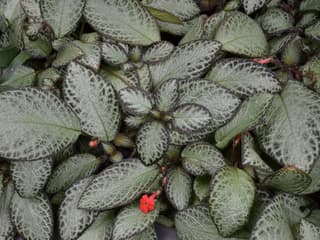
| Flame Violet | Easy | Partial shade | 7d | ✓ |
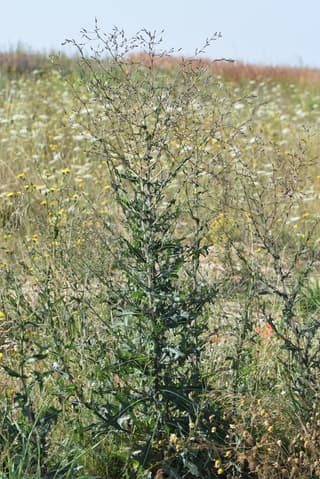
| Prickly Lettuce | Easy | Direct sun | 7d | ✓ |
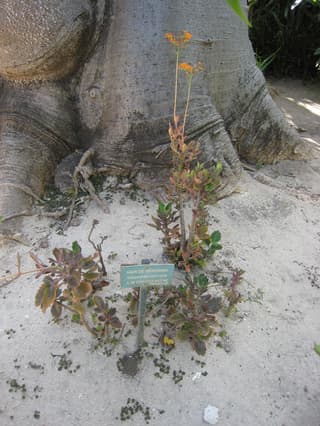
| Christmas Tree Plant | Easy | Bright indirect | 10d | ⚠️ |
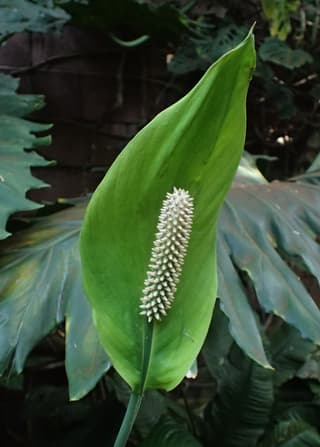
| Peace Lily | Easy | Low light | 7d | ⚠️ |