Begoniaceae
Wax Begonia (Begonia cucullata): Complete Care Guide
Begonia cucullata
An easy-care plant perfect for beginners. Needs bright indirect light, moderate watering, and well-draining soil. Avoid waterlogged roots. Thrives indoors and outdoors in warm climates.
Every 4 days
Partial shade
15° - 24°C
50% - 70%
Categories
What is Wax Begonia?
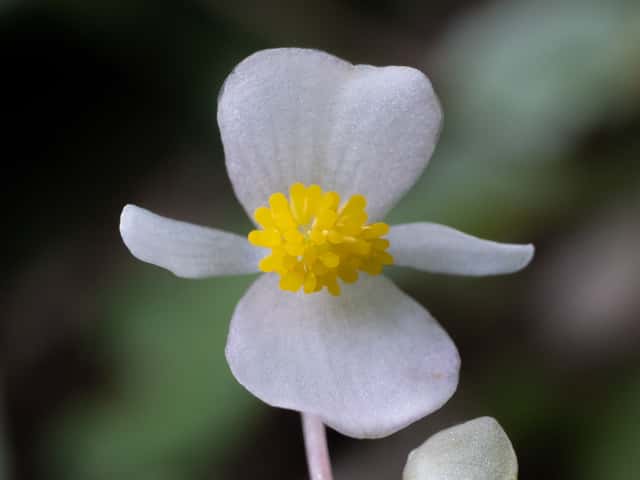
Wax Begonia (Begonia cucullata) is a easy-care plant from the Begoniaceae family. Begonia cucullata, commonly known as the Wax Begonia, is a compact ornamental plant native to South America (Brazil and Argentina). It produces an abundance of white, pink, or red flowers from spring through fall, with glossy, waxy leaves that give the plant its common name. One of the most popular...
Wax Begonia grows up to 45cm, spread of 45cm, watering every 4 days, 15°C – 24°C, 50–70% humidity. It is suitable for indoor environments and not safe for pets.
Unlike many tropical plants, Wax Begonia tolerates watering mistakes. Best for beginners. Without precautions, ingestion can cause irritation in pets. Keep out of reach of cats and dogs. Without adequate drainage, root rot can develop within 8 days.
How to Care for Wax Begonia?
TLDR: Wax Begonia needs Partial shade, watering every 4 days, and temperatures between 15-24°C with 50-70% humidity.
How Often Should You Water Wax Begonia?
Water every 4 days, allowing the top 1-2 cm of soil to dry between waterings. Avoid wetting the leaves to prevent fungal diseases. Reduce watering in winter.
How Much Light Does Wax Begonia Need?
Prefers bright indirect light or partial shade. Tolerates morning sun but avoid strong afternoon direct sun, which can scorch leaves.
What Is the Best Soil for Wax Begonia?
Use well-draining, fertile soil with organic matter. Mix potting soil with perlite or coarse sand. Ideal pH between 5.5 and 6.5.
What Pot Should You Use for Wax Begonia?
Clay or ceramic pots are ideal for drainage. Medium size (14-18 cm diameter) works best.
Care Schedule
Fertilize
Every 21 days
What Is Wax Begonia and Where Does It Come From?
Begonia cucullata, commonly known as the Wax Begonia, is a compact ornamental plant native to South America (Brazil and Argentina). It produces an abundance of white, pink, or red flowers from spring through fall, with glossy, waxy leaves that give the plant its common name. One of the most popular bedding plants worldwide.
How to Propagate Wax Begonia?
Stem Cutting
Use clean sharp scissors. Keep substrate lightly moist without overwatering. Water rooting is easiest for beginners.
- 1 Cut a healthy stem 8-10 cm long with at least 2 nodes
- 2 Remove lower leaves leaving 2-3 at the tip
- 3 Place in water or moist soil in a bright indirect light location
- 4 Change water every 3 days if rooting in water
- 5 Transplant to a pot when roots reach 3 cm
Materials needed:
How Big Does Wax Begonia Grow?
TLDR: Wax Begonia can reach up to 45cm tall with Medium growth rate.
Max height
45cm
Spread
45cm
Growth rate
Medium
Foliage
Evergreen
Warning: Toxic Plant
This plant can be toxic if ingested. Keep out of reach of:
Plant Uses
Ornamental
Great for decoration
Is your plant showing symptoms?
Click on the symptom to discover possible causes:
What Diseases Commonly Affect Wax Begonia?
TLDR: Wax Begonia is susceptible to 8 known diseases. Monitor regularly for early detection.
Powdery Mildew
Powdery mildew is a common fungal disease caused by various fungi species including Erysiphe, Podosphaera, Oïdium, and Leveillula. It affects over 10,000 plant species worldwide. The disease thrives in warm, dry climates with high humidity and appears as a distinctive white powdery coating on plant surfaces.
Gray Mold (Botrytis Blight)
Gray mold, caused by the fungus Botrytis cinerea, is one of the most common fungal diseases in plants. It affects over 200 plant species, including ornamentals, vegetables, fruits, and houseplants. The disease thrives in cool, humid conditions with poor air circulation, causing grayish spots and soft rot on infected tissues.
Root Rot
Root rot is a serious fungal disease that affects the root system of plants, causing them to decay and die. It is primarily caused by overwatering, poor drainage, or soil-borne fungi such as Pythium, Phytophthora, Rhizoctonia, and Fusarium. The disease thrives in waterlogged conditions where roots are deprived of oxygen, making them susceptible to fungal infection.
Spider Mites
Spider mites are tiny arachnids (less than 1/20 inch long) related to spiders and ticks that feed on plant sap. They thrive in hot, dry conditions and can cause significant damage to ornamental and vegetable plants. During severe infestations, crop losses can reach 14% or higher as these pests disrupt vital plant processes including photosynthesis, carbon dioxide absorption, and transpiration.
Meaning & Symbolism
Symbolizes kindness, gratitude, and hospitality. Often associated with charm and cheerfulness in tropical gardens.
Fun Facts
Native to southern Brazil and Argentina, one of the few begonias with natural occurrence in the Southern Cone of South America.
Its waxy leaf texture helps repel excess moisture, reducing fungal disease risk.
Under ideal conditions it can bloom almost year-round in tropical climates.
The species name cucullata comes from Latin meaning hooded, referring to the petal shape.
Frequently asked questions
How often should I water my Wax Begonia?
Is Wax Begonia toxic to pets?
Does Wax Begonia need direct sunlight?
How do I get more blooms on my Wax Begonia?
Compare with similar plants
| Attribute | Difficulty | Light | Watering | Pet Safe |
|---|---|---|---|---|
| Small Scabious | Easy | Direct sun | 7d | ✓ |
| Field Maple | Easy | Bright indirect | 14d | ✓ |
| Silver Birch | Easy | Direct sun | 14d | ✓ |
| Red valerian | Easy | Direct sun | 10d | ✓ |


