Begoniaceae
How to Care for Tuberous Begonia
Begonia × tuberhybrida
A demanding but rewarding plant needing bright indirect light, peaty well-draining soil, and consistent watering without waterlogging. Goes dormant in winter; reduce watering gradually when leaves yellow. Fertilize every 14 days during active growth.
Every 7 days
Partial shade
10° - 24°C
60% - 85%
Categories
What is Tuberous Begonia?
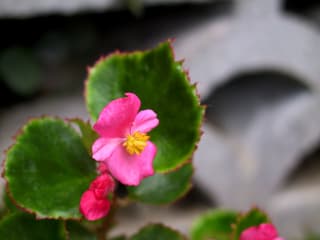
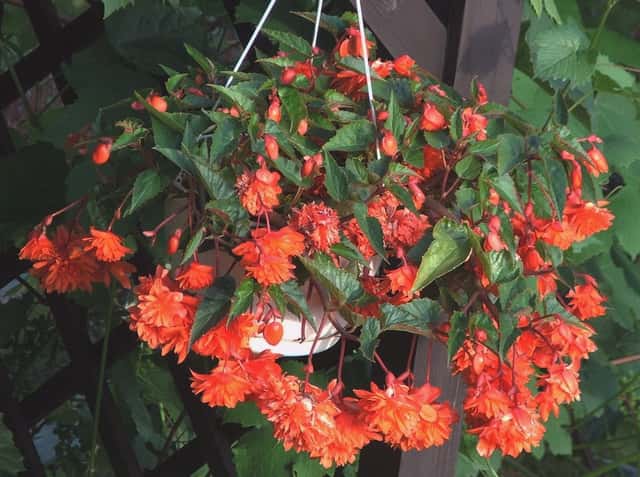
Tuberous Begonia (Begonia × tuberhybrida) is a hard-care plant from the Begoniaceae family. Tuberous Begonia (Begonia × tuberhybrida) is a stunning ornamental hybrid with Andean ancestors, prized for its large, ruffled blooms in shades of white, pink, red, yellow, and orange. It is a deciduous plant that goes dormant in winter and re-emerges vigorously in spring. It demands careful attenti...
Tuberous Begonia grows up to 40cm, spread of 40cm, watering every 7 days, 10°C – 24°C, 60–85% humidity. It is suitable for indoor environments and not safe for pets.
Unlike easy-care plants, Tuberous Begonia demands constant attention to humidity and light. Not recommended for beginners. Without precautions, ingestion can cause irritation in pets. Keep out of reach of cats and dogs. Without adequate drainage, root rot can develop within 14 days.
How to Care for Tuberous Begonia?
TLDR: Tuberous Begonia needs Partial shade, watering every 7 days, and temperatures between 10-24°C with 60-85% humidity.
How Often Should You Water Tuberous Begonia?
Water every 7 days keeping soil evenly moist but never soggy. Water at soil level — avoid wetting foliage and flowers to prevent fungal disease. Taper off watering as flowering ends and stop completely during dormancy.
How Much Light Does Tuberous Begonia Need?
Prefers bright indirect light or partial shade. Avoid intense direct sun which scorches the delicate leaves. Four to six hours of filtered light daily is ideal.
What Is the Best Soil for Tuberous Begonia?
Use rich, peaty, well-draining mix with slight acidity (pH 6.0–6.5). Add perlite for drainage and organic compost to enrich. Avoid clay-heavy soils that retain excess moisture.
What Pot Should You Use for Tuberous Begonia?
Ceramic or terracotta pots with good drainage holes. Avoid oversized pots; slightly root-bound conditions encourage blooming. Shallow pots work well for tubers.
Care Schedule
Fertilize
Every 14 days
Misting
Every 3 days
Repot
Every 365 days
What Is Tuberous Begonia and Where Does It Come From?
Tuberous Begonia (Begonia × tuberhybrida) is a stunning ornamental hybrid with Andean ancestors, prized for its large, ruffled blooms in shades of white, pink, red, yellow, and orange. It is a deciduous plant that goes dormant in winter and re-emerges vigorously in spring. It demands careful attention to watering, humidity, and temperature.
How to Propagate Tuberous Begonia?
Tuber Division
Use a sterilized knife. Dust cut surfaces with fungicide powder to prevent rot.
- 1 Lift tubers from soil after dormancy in late winter
- 2 Cut larger tubers in half ensuring at least one bud per section
- 3 Allow cut surfaces to dry for 24 hours before planting
- 4 Plant 3-4 cm deep in moist, warm substrate (18-23°C / 65-75°F)
Materials needed:
Stem Cutting
Mist cuttings lightly daily. Avoid direct sun while rooting.
- 1 Take a healthy stem cutting with 2-3 leaves in spring
- 2 Remove lower leaves and dip base in rooting hormone
- 3 Plant in moist substrate and cover with clear plastic to retain humidity
- 4 Keep in warm spot with indirect light until rooted
Materials needed:
How Big Does Tuberous Begonia Grow?
TLDR: Tuberous Begonia can reach up to 40cm tall with Medium growth rate.
Max height
40cm
Spread
40cm
Growth rate
Medium
Foliage
Deciduous
Warning: Toxic Plant
This plant can be toxic if ingested. Keep out of reach of:
Plant Uses
Ornamental
Great for decoration
Is your plant showing symptoms?
Click on the symptom to discover possible causes:
What Diseases Commonly Affect Tuberous Begonia?
TLDR: Tuberous Begonia is susceptible to 13 known diseases. Monitor regularly for early detection.
Gray Mold (Botrytis Blight)
Gray mold, caused by the fungus Botrytis cinerea, is one of the most common fungal diseases in plants. It affects over 200 plant species, including ornamentals, vegetables, fruits, and houseplants. The disease thrives in cool, humid conditions with poor air circulation, causing grayish spots and soft rot on infected tissues.
Gray Mold (Botrytis Blight)
Gray mold, caused by the fungus Botrytis cinerea, is a widespread necrotrophic pathogen affecting over 1,400 plant species. It thrives in cool, humid conditions and attacks weakened or aging plant tissues, causing soft rot and characteristic gray fuzzy growth.
Powdery Mildew
Powdery mildew is a common fungal disease caused by various fungi species including Erysiphe, Podosphaera, Oïdium, and Leveillula. It affects over 10,000 plant species worldwide. The disease thrives in warm, dry climates with high humidity and appears as a distinctive white powdery coating on plant surfaces.
Root Rot
Root rot is a serious fungal disease that affects the root system of plants, causing them to decay and die. It is primarily caused by overwatering, poor drainage, or soil-borne fungi such as Pythium, Phytophthora, Rhizoctonia, and Fusarium. The disease thrives in waterlogged conditions where roots are deprived of oxygen, making them susceptible to fungal infection.
Meaning & Symbolism
Symbolizes elegance, gratitude, and fleeting beauty — a delicate expression of care and affection.
Fun Facts
It is a hybrid bred from wild Andean species, primarily from Bolivia and Peru
Blooms can reach up to 15 cm (6 inches) across — rivaling roses and camellias in size
The plant undergoes complete winter dormancy, surviving as an underground tuber until spring
Hundreds of registered cultivars exist with single, double, cascade, and picotee flower forms
Frequently asked questions
How often should I water Tuberous Begonia?
Is Tuberous Begonia toxic to pets?
Why is my Tuberous Begonia dropping buds?
How do I store tubers over winter?
Does Tuberous Begonia need fertilizer?
Compare with similar plants
| Attribute | Difficulty | Light | Watering | Pet Safe |
|---|---|---|---|---|
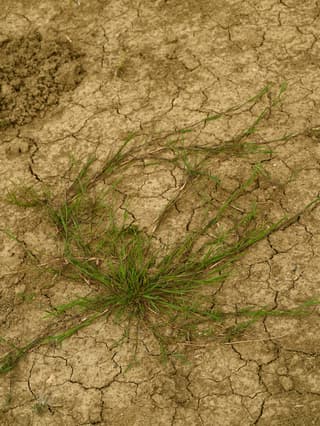
| Creeping bentgrass | Hard | Direct sun | 3d | ✓ |
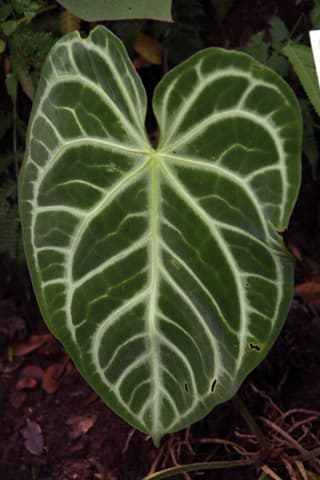
| Crystal Anthurium | Hard | Partial shade | 7d | ⚠️ |
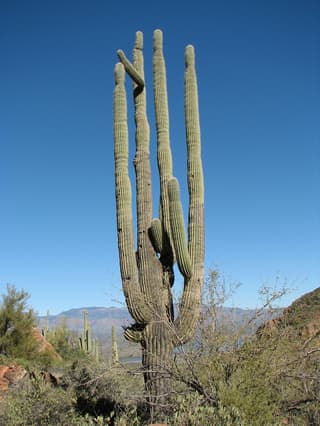
| Saguaro | Hard | Direct sun | 21d | ✓ |
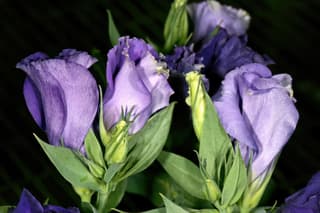
| Lisianthus | Hard | Bright indirect | 7d | ✓ |