Convolvulaceae
Cardinal Creeper (Ipomoea horsfalliae)
Ipomoea horsfalliae
Cardinal Creeper thrives in full sun with regular watering when the top layer of soil dries out. It grows rapidly in tropical and subtropical climates (USDA zones 9–11), benefits from regular pruning after flowering, and should be fertilized monthly to sustain its prolific blooming.
Every 7 days
Direct sun
10° - 35°C
50% - 80%
Categories
What is Cardinal Creeper?
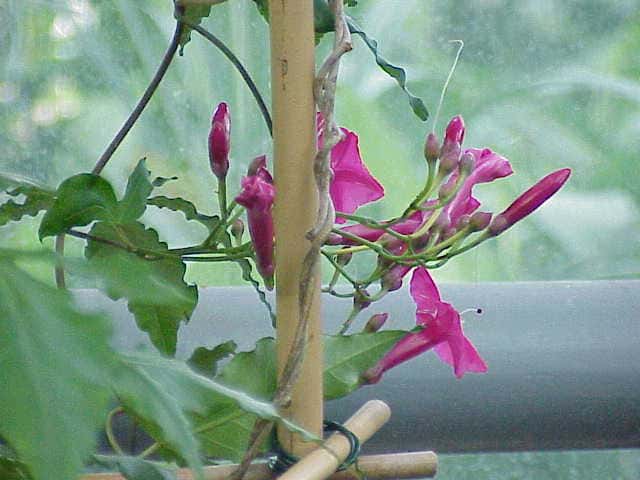
Cardinal Creeper (Ipomoea horsfalliae) is a easy-care plant from the Convolvulaceae family. Ipomoea horsfalliae, commonly known as Cardinal Creeper or Prince Kuhio Vine, is a vigorous tropical evergreen vine native to the Caribbean (West Indies). It produces stunning clusters of crimson to deep purple, funnel-shaped flowers year-round, attracting hummingbirds and butterflies. The palmate,...
Cardinal Creeper grows up to 9.0m, with spread of 240cm, watering every 7 days, 10°C – 35°C, 50–80% humidity. It is not suitable for indoor environments and not safe for pets.
Unlike many tropical plants, Cardinal Creeper tolerates watering mistakes. Best for beginners. Without precautions, ingestion can cause irritation in pets. Keep out of reach of cats and dogs.
How to Care for Cardinal Creeper?
TLDR: Cardinal Creeper needs Direct sun, watering every 7 days, and temperatures between 10-35°C with 50-80% humidity.
How Often Should You Water Cardinal Creeper?
Water every 7 days, allowing the topsoil to dry slightly between sessions. Avoid waterlogging, which causes root rot. During summer heat, water more frequently but always ensure good drainage.
How Much Light Does Cardinal Creeper Need?
Cardinal Creeper needs full sun (at least 6–8 hours daily) for prolific flowering. In very hot, dry climates, light afternoon shade is acceptable. Insufficient light leads to reduced blooming and leggy growth.
What Is the Best Soil for Cardinal Creeper?
Use well-draining, organically rich soil. A mixture of loamy soil with perlite or coarse sand works well. Slightly acidic to neutral pH (5.5–7.0) is ideal. Avoid heavy clay soils that retain excess moisture.
What Pot Should You Use for Cardinal Creeper?
Terracotta or large glazed pots with drainage holes. Minimum 40 cm diameter container for container growing. Provide a trellis, stake, or fence for the vine to climb.
Care Schedule
Fertilize
Every 30 days
Repot
Every 730 days
What Is Cardinal Creeper and Where Does It Come From?
Ipomoea horsfalliae, commonly known as Cardinal Creeper or Prince Kuhio Vine, is a vigorous tropical evergreen vine native to the Caribbean (West Indies). It produces stunning clusters of crimson to deep purple, funnel-shaped flowers year-round, attracting hummingbirds and butterflies. The palmate, glossy leaves create lush coverage on trellises, fences, and arbors.
How to Propagate Cardinal Creeper?
Stem Cutting
Use clean, sharp tools. Keep the substrate moist but not soggy. Covering with a plastic bag creates humidity to aid rooting.
- 1 Select a healthy stem cutting of 15–20 cm with at least 2 nodes
- 2 Remove lower leaves, leaving 2–3 leaves at the tip
- 3 Dip the cut end in rooting hormone
- 4 Plant in moist, well-draining substrate (perlite and coco coir mix)
- 5 Keep in a warm, bright location out of direct sun until roots establish
Materials needed:
Seed
Seeds self-sow readily in tropical climates. Scarification significantly improves germination rates.
- 1 Scarify seeds lightly with sandpaper to break the hard coat
- 2 Soak seeds in warm water for 24 hours
- 3 Sow in moist seed-starting mix at 1 cm depth
- 4 Maintain temperature of 22–28°C for germination
- 5 Transplant seedlings when they have 2–3 true leaves
Materials needed:
How Big Does Cardinal Creeper Grow?
TLDR: Cardinal Creeper can reach up to 9.0m tall with Fast growth rate.
Max height
9.0m
Spread
2.4m
Growth rate
Fast
Foliage
Evergreen
Warning: Toxic Plant
This plant can be toxic if ingested. Keep out of reach of:
Plant Uses
Ornamental
Great for decoration
Is your plant showing symptoms?
Click on the symptom to discover possible causes:
What Diseases Commonly Affect Cardinal Creeper?
TLDR: Cardinal Creeper is susceptible to 6 known diseases. Monitor regularly for early detection.
Root Rot
Root rot is a serious fungal disease that affects the root system of plants, causing them to decay and die. It is primarily caused by overwatering, poor drainage, or soil-borne fungi such as Pythium, Phytophthora, Rhizoctonia, and Fusarium. The disease thrives in waterlogged conditions where roots are deprived of oxygen, making them susceptible to fungal infection.
Spider Mites
Spider mites are tiny arachnids (less than 1/20 inch long) related to spiders and ticks that feed on plant sap. They thrive in hot, dry conditions and can cause significant damage to ornamental and vegetable plants. During severe infestations, crop losses can reach 14% or higher as these pests disrupt vital plant processes including photosynthesis, carbon dioxide absorption, and transpiration.
Aphids
Aphids are small, soft-bodied, pear-shaped insects (1/16 to 1/8 inch long) that feed by sucking nutrient-rich sap from plants. They reproduce rapidly and can quickly weaken plants, causing distorted growth and transmitting plant viruses. Aphids come in various colors including green, black, red, yellow, brown, and gray. They secrete honeydew, a sticky substance that attracts ants and encourages sooty mold growth.
Whiteflies
Whiteflies are small, soft-bodied, winged insects closely related to aphids and mealybugs. They are moth-like in appearance, about 1/16 inch long, triangular in shape, and gray-white in color. These sap-sucking pests feed on plant tissue, causing yellowing, stunted growth, and wilting. They also excrete honeydew, which attracts ants and promotes sooty mold growth. Whiteflies can transmit serious plant viruses.
Fun Facts
Cardinal Creeper blooms virtually year-round in tropical climates, producing flowers that hummingbirds cannot resist.
The plant is named in honor of Prince Kuhio of Hawaii, who cultivated it on his Waikiki property in the early 20th century.
Unlike most morning glories that live for just one season, Ipomoea horsfalliae is a perennial vine that can grow for many years.
The flower buds resemble small red berries before they open into full funnel-shaped blooms.
Frequently asked questions
How often should I water Cardinal Creeper?
Is Cardinal Creeper toxic to pets?
Why is my Cardinal Creeper not blooming?
How fast does Cardinal Creeper grow?
Can I grow Cardinal Creeper in a pot?
Compare with similar plants
| Attribute | Difficulty | Light | Watering | Pet Safe |
|---|---|---|---|---|
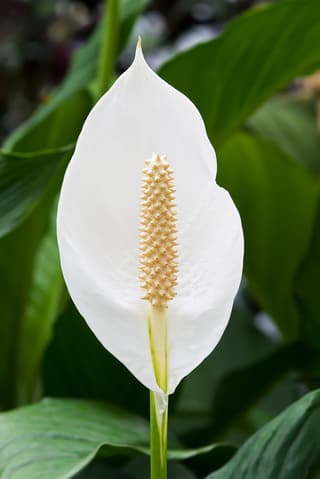
| Peace Lily | Easy | Low light | 4d | ⚠️ |
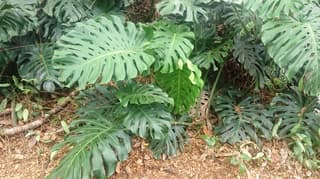
| Swiss Cheese Plant | Easy | Partial shade | 10d | ⚠️ |
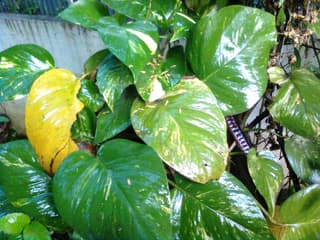
| Golden Pothos | Easy | Low light | 8d | ⚠️ |
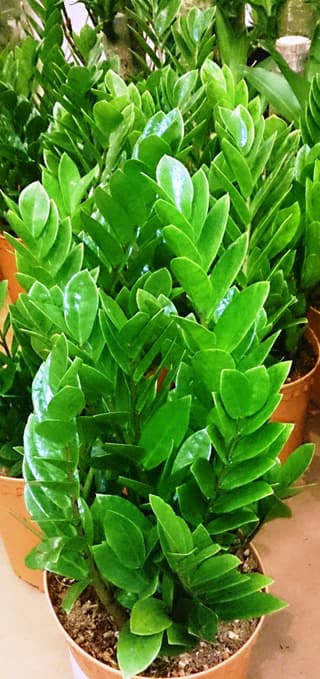
| ZZ Plant | Easy | Low light | 18d | ⚠️ |