Cannaceae
Wild Canna (Canna limbata): How to Grow and Care
Canna limbata
Easy-to-grow and hardy plant. Prefers full sun and well-draining soil rich in organic matter. Water frequently to keep soil moist, especially during warmer months. Fertilize every 2 months in spring and summer. Divide rhizomes every 2-3 years to maintain plant vigor.
Every 3 days
Direct sun
10° - 38°C
60% - 90%
Categories
What is Wild Canna?
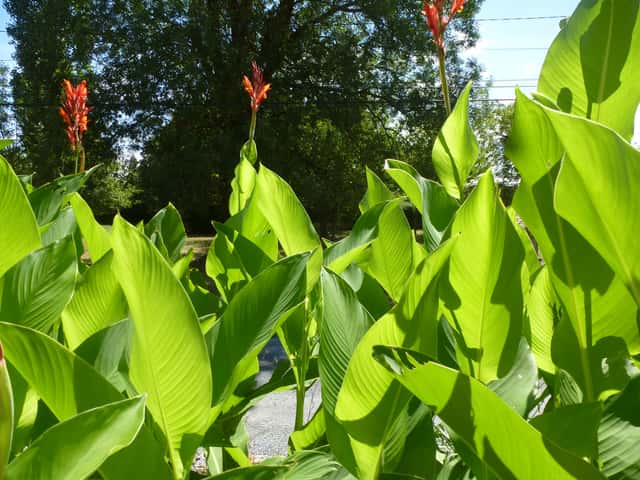
Wild Canna (Canna limbata) is a easy-care plant from the Cannaceae family. Wild Canna (Canna limbata) is a perennial rhizomatous herbaceous plant native to Brazil, belonging to the family Cannaceae. With broad ornamental leaves and vibrant flowers in shades of red, yellow, and orange, it is widely used in tropical gardens, borders, and landscaping. It grows upright and clu...
Wild Canna grows up to 2.0m, with spread of 90cm, watering every 3 days, 10°C – 38°C, 60–90% humidity. It is not suitable for indoor environments and safe for pets.
Unlike many tropical plants, Wild Canna tolerates watering mistakes. Best for beginners. Unlike many popular species, Wild Canna is safe to keep around pets.
How to Care for Wild Canna?
TLDR: Wild Canna needs Direct sun, watering every 3 days, and temperatures between 10-38°C with 60-90% humidity.
How Often Should You Water Wild Canna?
Water Wild Canna frequently, keeping the soil consistently moist but never waterlogged. During warm months, watering 2-3 times per week may be necessary. Do not allow the soil to dry out completely between waterings.
How Much Light Does Wild Canna Need?
Plant in a location with full sun, receiving at least 6 hours of direct sunlight per day. While it tolerates partial shade, flowers will be less abundant without adequate sun exposure.
What Is the Best Soil for Wild Canna?
Prefers well-draining soil rich in organic matter. Add compost or worm castings before planting to improve fertility. Ideal pH is 6.0-7.0. Avoid heavy clay soils that retain too much water.
What Pot Should You Use for Wild Canna?
Large terracotta pots or plastic containers with adequate drainage holes. For garden use, plant directly in the ground.
Care Schedule
Fertilize
Every 60 days
Repot
Every 730 days
What Is Wild Canna and Where Does It Come From?
Wild Canna (Canna limbata) is a perennial rhizomatous herbaceous plant native to Brazil, belonging to the family Cannaceae. With broad ornamental leaves and vibrant flowers in shades of red, yellow, and orange, it is widely used in tropical gardens, borders, and landscaping. It grows upright and clumping, reaching up to 2 meters in height under ideal conditions.
How to Propagate Wild Canna?
Rhizome Division
Best time to divide is early spring before new growth begins. Always use sterilized tools to prevent disease transmission.
- 1 Lift the parent plant from the soil in early spring
- 2 Divide the rhizomes with a clean, sharp knife, ensuring each section has at least one bud
- 3 Allow cut sections to dry for a few hours before planting
- 4 Plant rhizomes 5-10 cm deep in rich, moist soil
- 5 Water well after planting and keep soil consistently moist
Materials needed:
Seed Propagation
Scarification is essential as seeds have a very hard coat. Germination can take 2-3 weeks.
- 1 Scarify seeds with fine sandpaper or soak in warm water for 24 hours
- 2 Sow in moist growing medium at 2-3 cm depth
- 3 Keep in a warm, humid location (20-30°C)
- 4 Transplant seedlings when they reach 10-15 cm height
Materials needed:
How Big Does Wild Canna Grow?
TLDR: Wild Canna can reach up to 2.0m tall with Fast growth rate.
Max height
2.0m
Spread
90cm
Growth rate
Fast
Foliage
Deciduous
Plant Uses
Ornamental
Great for decoration
Is your plant showing symptoms?
Click on the symptom to discover possible causes:
What Diseases Commonly Affect Wild Canna?
TLDR: Wild Canna is susceptible to 11 known diseases. Monitor regularly for early detection.
Rust
Rust is a common fungal disease caused by fungi in the order Pucciniales that affects a wide variety of plants. The disease gets its name from the characteristic orange, yellow, or reddish-brown pustules that appear on leaves, resembling metal rust. This obligate fungal parasite requires living plants to survive and can cause significant economic losses in agricultural crops.
Alternaria Leaf Spot
Alternaria leaf spot is a common fungal disease caused by Alternaria solani and Alternaria alternata that affects a wide range of plants including tomatoes, potatoes, brassicas, and ornamentals. The disease thrives in warm, humid conditions and can cause significant crop damage if left untreated. Spores overwinter on plant debris and can attach to seeds, making complete elimination difficult.
Gray Mold (Botrytis Blight)
Gray mold, caused by the fungus Botrytis cinerea, is one of the most common fungal diseases in plants. It affects over 200 plant species, including ornamentals, vegetables, fruits, and houseplants. The disease thrives in cool, humid conditions with poor air circulation, causing grayish spots and soft rot on infected tissues.
Root Rot
Root rot is a serious fungal disease that affects the root system of plants, causing them to decay and die. It is primarily caused by overwatering, poor drainage, or soil-borne fungi such as Pythium, Phytophthora, Rhizoctonia, and Fusarium. The disease thrives in waterlogged conditions where roots are deprived of oxygen, making them susceptible to fungal infection.
Meaning & Symbolism
Symbol of tropical energy, vitality, and lush beauty in Brazilian gardens.
Fun Facts
Wild Canna is native to Brazil and naturally occurs in wetlands and moist areas throughout the country
Its flowers attract hummingbirds and butterflies, making it an excellent plant for biodiversity gardens
Wild Canna rhizomes can be divided indefinitely, making the plant virtually permanent in the garden
Under ideal soil and water conditions, it can grow up to 2 meters tall in a single growing season
Frequently asked questions
How often should I water Wild Canna?
Does Wild Canna need full sun?
How do I propagate Wild Canna?
Is Wild Canna toxic to pets?
When does Wild Canna bloom?
Compare with similar plants
| Attribute | Difficulty | Light | Watering | Pet Safe |
|---|---|---|---|---|
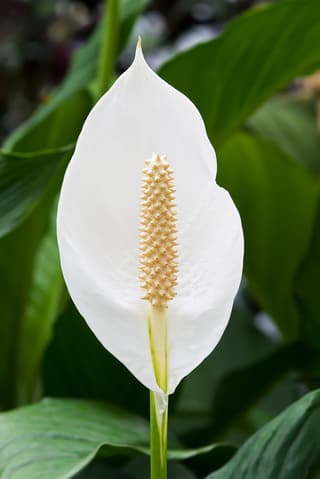
| Peace Lily | Easy | Low light | 4d | ⚠️ |
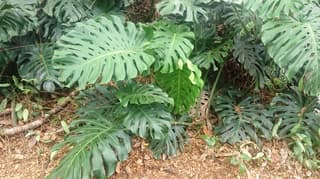
| Swiss Cheese Plant | Easy | Partial shade | 10d | ⚠️ |
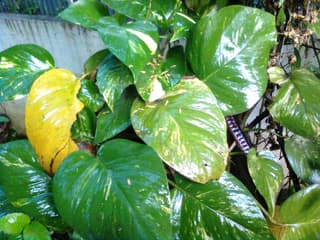
| Golden Pothos | Easy | Low light | 8d | ⚠️ |
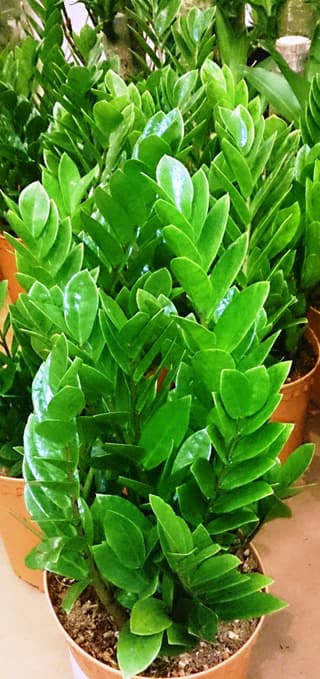
| ZZ Plant | Easy | Low light | 18d | ⚠️ |