Bromeliaceae
Billbergia (genus)
Billbergia
Easy-care plant suited for both indoor and outdoor growing. Prefers bright indirect light, moderate watering with water held in the central cup, and a well-draining mix.
Every 7 days
Partial shade
10° - 35°C
40% - 70%
Categories
What is Billbergia (genus)?
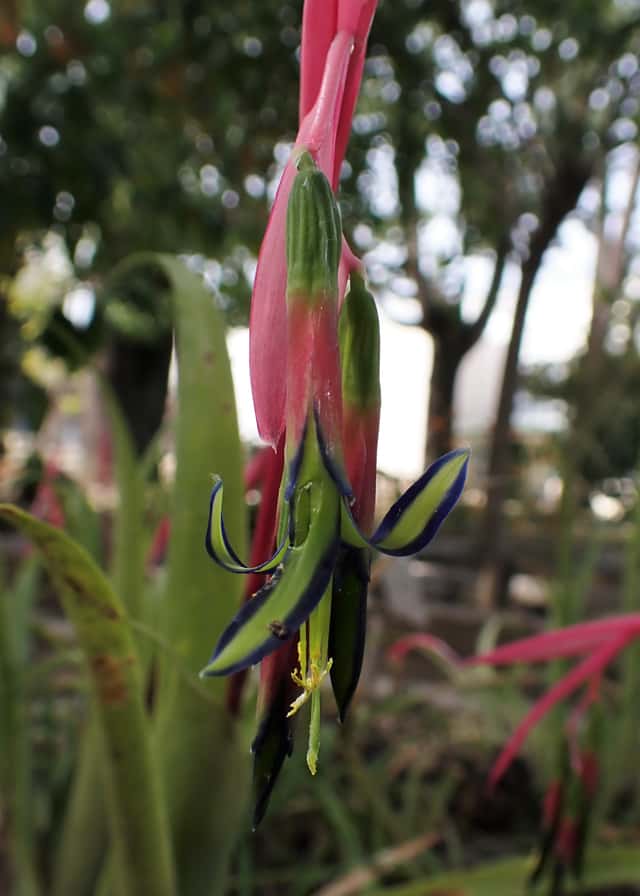
Billbergia (genus) (Billbergia) is a easy-care plant from the Bromeliaceae family. Billbergia is a genus of bromeliads native primarily to South America, widely cultivated as ornamental plants for their evergreen rosettes and colorful tubular flowers. The most popular species, B. nutans, is commonly known as Queen's Tears.
Billbergia (genus) grows up to watering every 7 days, 10°C – 35°C, 40–70% humidity. It is suitable for indoor environments and safe for pets.
Unlike many tropical plants, Billbergia (genus) tolerates watering mistakes. Best for beginners. Unlike many popular species, Billbergia (genus) is safe to keep around pets. Without adequate drainage, root rot can develop within 14 days.
How to Care for Billbergia (genus)?
TLDR: Billbergia (genus) needs Partial shade, watering every 7 days, and temperatures between 10-35°C with 40-70% humidity.
How Often Should You Water Billbergia (genus)?
Water every 7 days and keep the central cup (tank) filled with water at all times. Flush and refill the cup monthly to prevent salt buildup and stagnation.
How Much Light Does Billbergia (genus) Need?
Prefers bright indirect light (10,000–40,000 lux). Tolerates partial shade but flowers best with good light. Avoid intense direct sun which can scorch the leaves.
What Is the Best Soil for Billbergia (genus)?
Use bromeliad mix or a blend of pine bark and perlite for excellent drainage. pH between 5.0 and 6.5.
What Pot Should You Use for Billbergia (genus)?
Terracotta or ceramic pot with drainage holes; avoid deep pots as the roots are shallow.
Care Schedule
Fertilize
Every 14 days
Misting
Every 3 days
Rotate
Every 7 days
Repot
Every 365 days
What Is Billbergia (genus) and Where Does It Come From?
Billbergia is a genus of bromeliads native primarily to South America, widely cultivated as ornamental plants for their evergreen rosettes and colorful tubular flowers. The most popular species, B. nutans, is commonly known as Queen's Tears.
How Big Does Billbergia (genus) Grow?
TLDR: Billbergia (genus) can reach up to ?cm tall with Medium growth rate.
Growth rate
Medium
Foliage
Evergreen
Plant Uses
Ornamental
Great for decoration
Is your plant showing symptoms?
Click on the symptom to discover possible causes:
What Diseases Commonly Affect Billbergia (genus)?
TLDR: Billbergia (genus) is susceptible to 4 known diseases. Monitor regularly for early detection.
Root Rot
Root rot is a serious fungal disease that affects the root system of plants, causing them to decay and die. It is primarily caused by overwatering, poor drainage, or soil-borne fungi such as Pythium, Phytophthora, Rhizoctonia, and Fusarium. The disease thrives in waterlogged conditions where roots are deprived of oxygen, making them susceptible to fungal infection.
Scale Insects
Scale insects are small sap-sucking pests that appear as brown, shell-like bumps on plant stems and leaves. There are over 25 species, divided into armored (hard) and unarmored (soft) scales. They feed by piercing plant tissue and extracting sap, which weakens the plant and can lead to yellowing, stunted growth, and even death if left untreated. They also excrete honeydew, which attracts ants and promotes sooty mold growth.
Mealybugs
Mealybugs are small, soft-bodied insects covered with a white, waxy, cottony material. They are common pests of houseplants and outdoor plants in mild climates. These sap-sucking insects feed on plant tissue, causing damage, stunted growth, and can lead to plant death if left untreated. They produce sticky honeydew which attracts sooty mold.
Leaf Spot
Leaf spot is a common fungal disease caused by various pathogens including Alternaria, Ascochyta, Colletotrichum, Septoria, and Venturia. It primarily affects leaves, causing discolored spots that can lead to premature leaf drop if left untreated.
Fun Facts
Billbergia nutans earned the name "Queen's Tears" because its drooping flowers resemble falling teardrops.
The central cup (tank) of Billbergias naturally collects rainwater, acting as a built-in reservoir.
After blooming, the mother rosette dies but produces pups that continue the plant's life cycle.
Frequently asked questions
How often should I water Billbergia?
Is Billbergia toxic to pets?
Can Billbergia grow indoors?
Compare with similar plants
| Attribute | Difficulty | Light | Watering | Pet Safe |
|---|---|---|---|---|
| Field Maple | Easy | Bright indirect | 14d | ✓ |
| Silver Birch | Easy | Direct sun | 14d | ✓ |
| Cushion Bush | Easy | Direct sun | 14d | ✓ |
| Peruvian peppertree | Easy | Direct sun | 14d | ⚠️ |





