Polemoniaceae
Jacob's ladder: Best for Low Light
Polemonium caeruleum
Jacob's ladder is a low-maintenance plant, ideal for shady and semi-shady corners of the garden. It requires consistently moist, humus-rich, well-drained soil and cool conditions—it does not tolerate drought or intense summer sun. Water regularly every 4–6 days, preventing the substrate from drying out. Apply fertilizer once a month during the growing season. Deadhead spent blooms to encourage reblooming. Divide clumps every 3–4 years in the spring.
Every 5 days
Low light
-20° - 22°C
30% - 50%
Categories
What is Jacob's ladder?
Jacob's ladder (Polemonium caeruleum) is a easy-care plant from the Polemoniaceae family. Jacob's ladder (Polemonium caeruleum) is an elegant perennial from the Polemoniaceae family, growing wild in damp meadows, thickets, and forest edges of temperate Europe and Asia. It forms dense clumps with erect stems reaching 18–24 inches (45–60 cm) in height. The leaves are odd-pinnate, light gre...
Jacob's ladder grows up to 60cm, spread of 60cm, watering every 5 days, -20°C – 22°C, 30–50% humidity. It is not suitable for indoor environments and safe for pets.
Unlike many tropical plants, Jacob's ladder tolerates watering mistakes. Best for beginners. Unlike many popular species, Jacob's ladder is safe to keep around pets.
How to Care for Jacob's ladder?
TLDR: Jacob's ladder needs Low light, watering every 5 days, and temperatures between -20-22°C with 30-50% humidity.
How Often Should You Water Jacob's ladder?
Water regularly, keeping the soil evenly moist but not soggy. On hot days, check the moisture every 3–4 days. Apply water directly to the soil, avoiding the leaves—this prevents fungal diseases. Never allow the soil to dry out completely.
How Much Light Does Jacob's ladder Need?
It grows best in partial shade or deep shade—eastern exposures or spots under tree canopies are ideal. Avoid direct southern and western sun after 11:00 AM, as it causes leaf scorch and yellowing. Light morning sun for 2–3 hours is tolerated.
What Is the Best Soil for Jacob's ladder?
It prefers humus-rich, fertile, well-drained soil with a slightly acidic to neutral pH (5.5–7.5). Enrich the substrate with compost or well-rotted manure. Avoid heavy, compacting clay soils without prior loosening and enrichment.
What Pot Should You Use for Jacob's ladder?
Jacob's ladder grows best in the ground. If growing in a pot, choose a ceramic or terracotta container with a minimum diameter of 12 inches (30 cm) and large drainage holes. The pot must be placed in a cool, shaded spot—exposure to the sun quickly dries out the root ball and damages the plant.
Care Schedule
Fertilize
Every 30 days
What Is Jacob's ladder and Where Does It Come From?
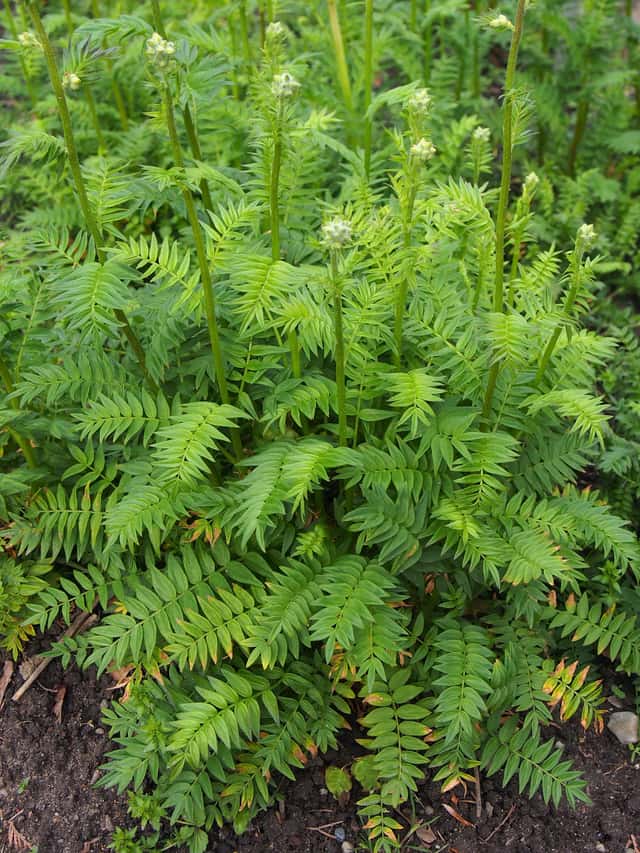
Jacob's ladder (Polemonium caeruleum) is an elegant perennial from the Polemoniaceae family, growing wild in damp meadows, thickets, and forest edges of temperate Europe and Asia. It forms dense clumps with erect stems reaching 18–24 inches (45–60 cm) in height. The leaves are odd-pinnate, light green, and composed of 7–27 leaflets arranged like the rungs of a ladder—this appearance gave the plant its common name. From late April to early June, the plant is covered in raceme-like clusters of cup-shaped flowers in intense blue, sometimes white, with prominent yellow stamens. It is frost-hardy (USDA zones 3–8) and is perfect for shade gardens, rock gardens, and cottage-style gardens. The plant is non-toxic to humans and pets.
How Big Does Jacob's ladder Grow?
TLDR: Jacob's ladder can reach up to 60cm tall with Medium growth rate.
Max height
60cm
Spread
60cm
Growth rate
Medium
Foliage
Deciduous
Plant Uses
Ornamental
Great for decoration
Medicinal
Medicinal properties
Medicinal Uses
- Traditionally used to treat fever and inflammation
- Historically used as an expectorant in the treatment of bronchitis and tuberculosis
- Used in folk medicine for epilepsy—to alleviate tremors and seizures
- Used in ancient Greece to treat dysentery, toothaches, and animal bites
- Used in 19th-century European pharmacies as an anti-syphilitic agent
- The root was brewed as a tea or made into a tincture for headaches and anxiety
Is your plant showing symptoms?
Click on the symptom to discover possible causes:
What Diseases Commonly Affect Jacob's ladder?
TLDR: Jacob's ladder is susceptible to 7 known diseases. Monitor regularly for early detection.
Powdery Mildew
Powdery mildew is a common fungal disease caused by various fungi species including Erysiphe, Podosphaera, Oïdium, and Leveillula. It affects over 10,000 plant species worldwide. The disease thrives in warm, dry climates with high humidity and appears as a distinctive white powdery coating on plant surfaces.
Leaf Spot
Leaf spot is a common fungal disease caused by various pathogens including Alternaria, Ascochyta, Colletotrichum, Septoria, and Venturia. It primarily affects leaves, causing discolored spots that can lead to premature leaf drop if left untreated.
Root Rot
Root rot is a serious fungal disease that affects the root system of plants, causing them to decay and die. It is primarily caused by overwatering, poor drainage, or soil-borne fungi such as Pythium, Phytophthora, Rhizoctonia, and Fusarium. The disease thrives in waterlogged conditions where roots are deprived of oxygen, making them susceptible to fungal infection.
Rust
Rust is a common fungal disease caused by fungi in the order Pucciniales that affects a wide variety of plants. The disease gets its name from the characteristic orange, yellow, or reddish-brown pustules that appear on leaves, resembling metal rust. This obligate fungal parasite requires living plants to survive and can cause significant economic losses in agricultural crops.
Meaning & Symbolism
Jacob's ladder refers to the biblical ladder of Jacob—the ladder-like arrangement of the leaflets resembles the rungs of a ladder from Earth to Heaven. It is a symbol of hope, spiritual elevation, and connection with the sacred. In the Victorian language of flowers, blue Jacob's ladder meant 'come down to me'. In 2002, the plant was chosen as the county flower of Derbyshire in England.
Compare with similar plants
| Attribute | Difficulty | Light | Watering | Pet Safe |
|---|---|---|---|---|
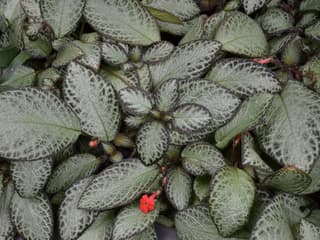
| Flame Violet | Easy | Partial shade | 7d | ✓ |
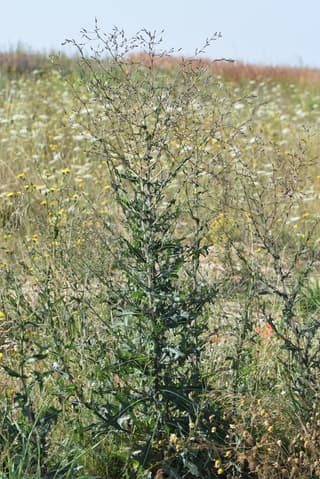
| Prickly Lettuce | Easy | Direct sun | 7d | ✓ |
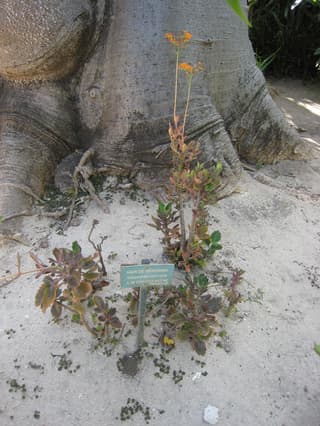
| Christmas Tree Plant | Easy | Bright indirect | 10d | ⚠️ |
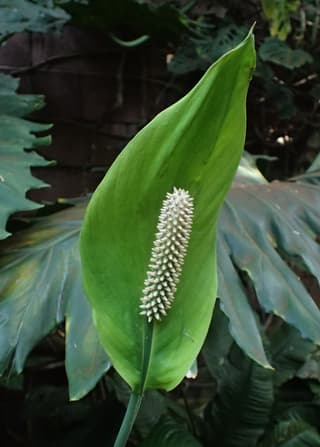
| Peace Lily | Easy | Low light | 7d | ⚠️ |
Choose & Compare
Sources & References
- Polemonium caeruleum (Jacob's Ladder) - Gardenia.net
- Polemonium caeruleum - Missouri Botanical Garden Plant Finder
- Common Jacobs Ladder Plant Diseases - Live to Plant
- Jacob's Ladder Plant Care - Plant Care Today
- How to Plant and Grow Jacob's Ladder - Gardener's Path
- Medical Uses of Polemonium Caeruleum - WiseGeek
- Polemonium caeruleum - Wikipedia