Verbenaceae
Blue Snakeweed: How to Grow and Care for Stachytarpheta cayennensis
Stachytarpheta cayennensis
Very easy to grow. Thrives in full sun with well-draining soil and moderate watering. Drought tolerant once established. Regular pruning encourages continuous blooming and a bushier habit. Generally pest and disease resistant.
Every 10 days
Direct sun
20° - 38°C
50% - 70%
Categories
What is Blue Snakeweed?
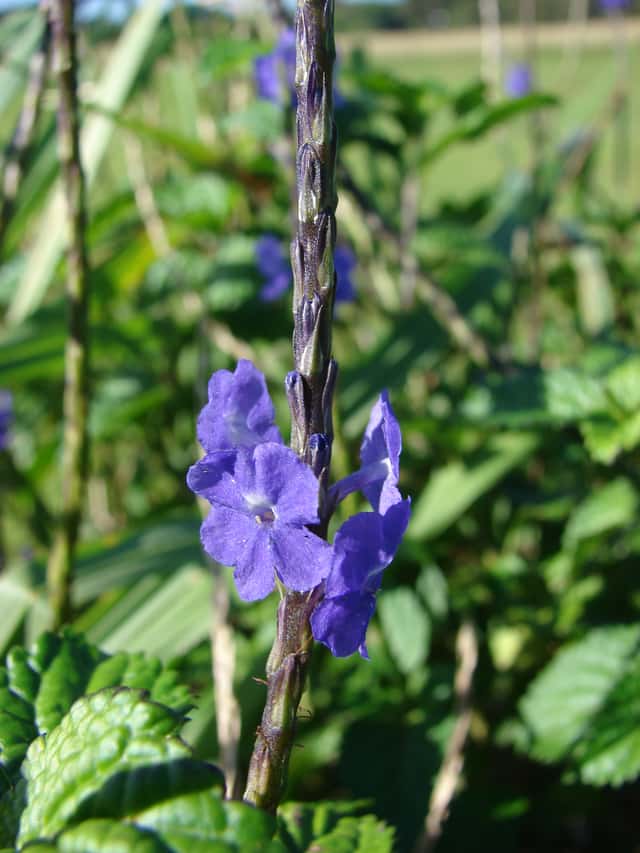
Blue Snakeweed (Stachytarpheta cayennensis) is a easy-care plant from the Verbenaceae family. Blue Snakeweed (Stachytarpheta cayennensis) is a fast-growing tropical subshrub native to tropical America, belonging to the Verbenaceae family. It produces long, slender flower spikes adorned with vivid blue-purple tubular flowers that bloom successively over many months. A magnet for pollinators,...
Blue Snakeweed grows up to 1.5m, spread of 100cm, watering every 10 days, 20°C – 38°C, 50–70% humidity. It is not suitable for indoor environments and safe for pets.
Unlike many tropical plants, Blue Snakeweed tolerates watering mistakes. Best for beginners. Unlike many popular species, Blue Snakeweed is safe to keep around pets.
How to Care for Blue Snakeweed?
TLDR: Blue Snakeweed needs Direct sun, watering every 10 days, and temperatures between 20-38°C with 50-70% humidity.
How Often Should You Water Blue Snakeweed?
Water every 10 days, allowing the soil to dry partially between waterings. Blue snakeweed is drought tolerant — avoid overwatering and waterlogged soil, which can cause root rot.
How Much Light Does Blue Snakeweed Need?
Plant in full sun with at least 6 hours of direct sunlight daily. Tolerates partial shade but flowering is most prolific in full sun exposure.
What Is the Best Soil for Blue Snakeweed?
Use well-draining, loamy soil enriched with organic matter. Add coarse sand if the native soil is heavy clay. Ideal pH between 6.0 and 7.0.
What Pot Should You Use for Blue Snakeweed?
Clay or terracotta pots with excellent drainage are ideal for container growing. Use medium to large pots (minimum 30 cm diameter) with drainage holes to prevent waterlogging.
Care Schedule
Fertilize
Every 30 days
Repot
Every 365 days
What Is Blue Snakeweed and Where Does It Come From?
Blue Snakeweed (Stachytarpheta cayennensis) is a fast-growing tropical subshrub native to tropical America, belonging to the Verbenaceae family. It produces long, slender flower spikes adorned with vivid blue-purple tubular flowers that bloom successively over many months. A magnet for pollinators, it attracts over 98 butterfly species, bees, and hummingbirds. It is widely used as an ornamental garden plant and holds significant importance in traditional medicine throughout the tropics.
How to Propagate Blue Snakeweed?
Seed Propagation
Use fresh seeds for best germination rates. Keep substrate moist but never waterlogged.
- 1 Collect mature seeds from dried flower spikes
- 2 Sow in light, well-draining seed compost, covering lightly
- 3 Keep in a sunny location with consistent moisture
- 4 Transplant seedlings once they reach 10 cm tall
Materials needed:
Stem Cutting
Avoid direct sun while the cutting is rooting. Change water weekly if water propagating.
- 1 Take a healthy stem 15-20 cm long, removing lower leaves
- 2 Dip the cut end in rooting hormone
- 3 Plant in moist, well-draining propagation mix
- 4 Keep in bright indirect light until rooted
Materials needed:
How Big Does Blue Snakeweed Grow?
TLDR: Blue Snakeweed can reach up to 1.5m tall with Fast growth rate.
Max height
1.5m
Spread
1.0m
Growth rate
Fast
Foliage
Evergreen
Plant Uses
Ornamental
Great for decoration
Medicinal
Medicinal properties
Medicinal Uses
- Traditional treatment for fever and malaria
- Leaf infusion for high blood pressure
- Anti-inflammatory and antimicrobial applications
- Treatment of bacterial infections and wounds
- Used for toothache, colic, and eye infections
Culinary Uses
- Leaf tea consumed as a medicinal beverage
Is your plant showing symptoms?
Click on the symptom to discover possible causes:
What Diseases Commonly Affect Blue Snakeweed?
TLDR: Blue Snakeweed is susceptible to 8 known diseases. Monitor regularly for early detection.
Aphids
Aphids are small, soft-bodied, pear-shaped insects (1/16 to 1/8 inch long) that feed by sucking nutrient-rich sap from plants. They reproduce rapidly and can quickly weaken plants, causing distorted growth and transmitting plant viruses. Aphids come in various colors including green, black, red, yellow, brown, and gray. They secrete honeydew, a sticky substance that attracts ants and encourages sooty mold growth.
Whiteflies
Whiteflies are small, soft-bodied, winged insects closely related to aphids and mealybugs. They are moth-like in appearance, about 1/16 inch long, triangular in shape, and gray-white in color. These sap-sucking pests feed on plant tissue, causing yellowing, stunted growth, and wilting. They also excrete honeydew, which attracts ants and promotes sooty mold growth. Whiteflies can transmit serious plant viruses.
Spider Mites
Spider mites are tiny arachnids (less than 1/20 inch long) related to spiders and ticks that feed on plant sap. They thrive in hot, dry conditions and can cause significant damage to ornamental and vegetable plants. During severe infestations, crop losses can reach 14% or higher as these pests disrupt vital plant processes including photosynthesis, carbon dioxide absorption, and transpiration.
Root Rot
Root rot is a serious fungal disease that affects the root system of plants, causing them to decay and die. It is primarily caused by overwatering, poor drainage, or soil-borne fungi such as Pythium, Phytophthora, Rhizoctonia, and Fusarium. The disease thrives in waterlogged conditions where roots are deprived of oxygen, making them susceptible to fungal infection.
Meaning & Symbolism
Blue Snakeweed symbolizes tropical resilience and vibrant life. Its ability to attract countless pollinators represents the vital connection between plants and wildlife in tropical ecosystems.
Fun Facts
Blue Snakeweed can attract more than 98 different butterfly species to a single garden
Each individual flower on the spike blooms for just one day before a new one opens
It has been used in traditional medicine across the tropics for centuries to treat malaria and fever
Despite being a beautiful garden plant, it is considered invasive in parts of the Pacific and Indian Ocean islands
Frequently asked questions
How much sun does Blue Snakeweed need?
How often should I water Blue Snakeweed?
Is Blue Snakeweed toxic to pets?
How do I encourage more flowers on Blue Snakeweed?
Does Blue Snakeweed attract butterflies?
Compare with similar plants
| Attribute | Difficulty | Light | Watering | Pet Safe |
|---|---|---|---|---|
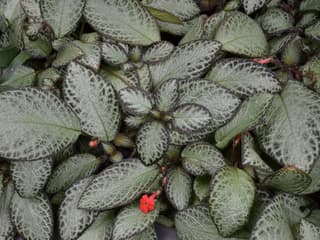
| Flame Violet | Easy | Partial shade | 7d | ✓ |
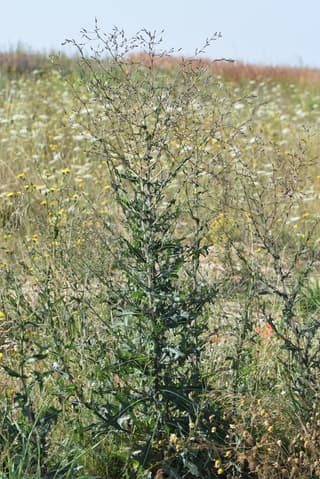
| Prickly Lettuce | Easy | Direct sun | 7d | ✓ |
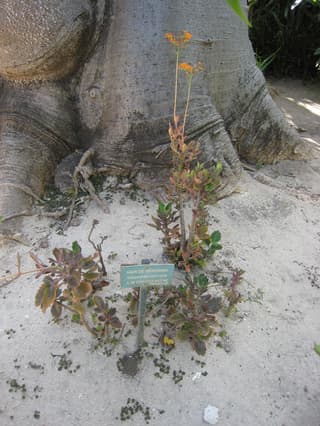
| Christmas Tree Plant | Easy | Bright indirect | 10d | ⚠️ |
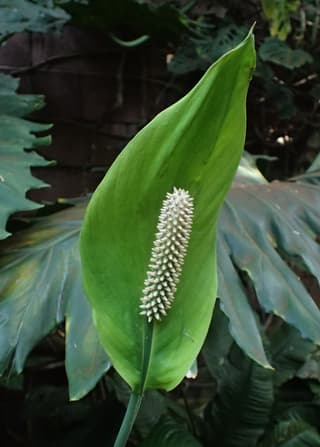
| Peace Lily | Easy | Low light | 7d | ⚠️ |