Crassulaceae
Blue Stonecrop: Ground Cover Plant
Petrosedum rupestre
An extremely resilient and low-maintenance plant, ideal for rock gardens and ground cover. It prefers full sun and very well-drained soils.
Every 14 days
Direct sun
-15° - 38°C
10% - 50%
Categories
What is Blue Stonecrop?
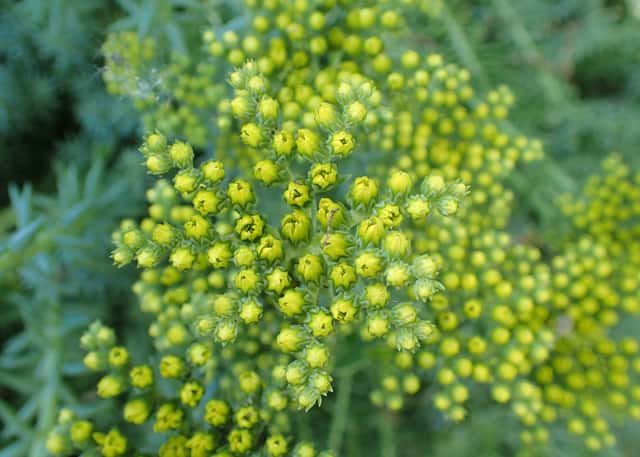
Blue Stonecrop (Petrosedum rupestre) is a easy-care plant from the Crassulaceae family. Petrosedum rupestre, formerly known as Sedum rupestre, is a creeping perennial succulent native to Europe. Its leaves are cylindrical, pointed, and have a bluish-green or grayish hue, resembling small pine branches. In summer, the plant produces upright stems bearing dense clusters of star-shaped ye...
Blue Stonecrop grows up to 30cm, spread of 60cm, watering every 14 days, -15°C – 38°C, 10–50% humidity. It is suitable for indoor environments and safe for pets.
Unlike many tropical plants, Blue Stonecrop tolerates watering mistakes. Best for beginners. Unlike many popular species, Blue Stonecrop is safe to keep around pets. Without adequate drainage, root rot can develop within 28 days.
How to Care for Blue Stonecrop?
TLDR: Blue Stonecrop needs Direct sun, watering every 14 days, and temperatures between -15-38°C with 10-50% humidity.
How Often Should You Water Blue Stonecrop?
Water deeply and wait for the soil to dry out completely before the next watering. In winter, drastically reduce the frequency.
How Much Light Does Blue Stonecrop Need?
To maintain its bluish color and compact growth, the plant should receive at least 6 hours of direct sunlight per day.
What Is the Best Soil for Blue Stonecrop?
Use a nutrient-poor soil mix with plenty of coarse sand or fine gravel to ensure perfect drainage.
What Pot Should You Use for Blue Stonecrop?
Terracotta or unglazed ceramic pots to facilitate the evaporation of excess moisture.
Care Schedule
Fertilize
Every 60 days
Rotate
Every 30 days
Repot
Every 730 days
What Is Blue Stonecrop and Where Does It Come From?
Petrosedum rupestre, formerly known as Sedum rupestre, is a creeping perennial succulent native to Europe. Its leaves are cylindrical, pointed, and have a bluish-green or grayish hue, resembling small pine branches. In summer, the plant produces upright stems bearing dense clusters of star-shaped yellow flowers, which are highly attractive to pollinators.
How to Propagate Blue Stonecrop?
Stem Cuttings
- Do not water immediately after planting to prevent rot.
- Keep in a bright spot, but without strong direct sun until rooted.
- 1 Cutting the Stem
Cut a healthy stem piece about 2 to 3 inches (5 to 8 cm) long.
- 2 Callousing
Let the cutting dry in the shade for 2 days so the cut wound can callous over.
- 3 Planting
Insert the base of the cutting into a sandy and slightly moist substrate.
Materials needed:
Division
- This is the fastest way to propagate for covering large ground areas.
- 1 Removal
Carefully remove the plant from the soil or pot to avoid damaging the roots.
- 2 Separation
Divide the root and stem mass into smaller sections, ensuring each part has its own roots.
- 3 Replanting
Plant the divisions in their new locations and water lightly.
Materials needed:
How Big Does Blue Stonecrop Grow?
TLDR: Blue Stonecrop can reach up to 30cm tall with Fast growth rate.
Max height
30cm
Spread
60cm
Growth rate
Fast
Foliage
Evergreen
Plant Uses
Ornamental
Great for decoration
Edible
Can be consumed
Ground Cover
Soil coverage
Culinary Uses
- Young leaves consumed raw in salads
- Slightly astringent or acidic flavor
Is your plant showing symptoms?
Click on the symptom to discover possible causes:
What Diseases Commonly Affect Blue Stonecrop?
TLDR: Blue Stonecrop is susceptible to 11 known diseases. Monitor regularly for early detection.
Root Rot
Root rot is a serious fungal disease that affects the root system of plants, causing them to decay and die. It is primarily caused by overwatering, poor drainage, or soil-borne fungi such as Pythium, Phytophthora, Rhizoctonia, and Fusarium. The disease thrives in waterlogged conditions where roots are deprived of oxygen, making them susceptible to fungal infection.
Crown Rot
Crown rot is a serious fungal disease that attacks the crown (base) of the plant where the stem meets the soil. It is caused by various fungal pathogens including Phytophthora, Fusarium, and Rhizoctonia. The disease thrives in waterlogged conditions and can quickly spread to kill the entire plant if not addressed promptly.
Overwatering
Overwatering occurs when plants receive too much water, depriving roots of oxygen and causing root rot. This environmental stress is one of the most common causes of houseplant death, as waterlogged soil prevents roots from breathing and functioning properly.
Powdery Mildew
Powdery mildew is a common fungal disease caused by various fungi species including Erysiphe, Podosphaera, Oïdium, and Leveillula. It affects over 10,000 plant species worldwide. The disease thrives in warm, dry climates with high humidity and appears as a distinctive white powdery coating on plant surfaces.
Meaning & Symbolism
Represents resilience, adaptation to arid environments, and beauty in simplicity.
Compare with similar plants
| Attribute | Difficulty | Light | Watering | Pet Safe |
|---|---|---|---|---|
| Field Maple | Easy | Bright indirect | 14d | ✓ |
| Silver Birch | Easy | Direct sun | 14d | ✓ |
| Common Blanketflower | Easy | Direct sun | 10d | ✓ |
| Cushion Bush | Easy | Direct sun | 14d | ✓ |





