Orchidaceae
Blue Vanda (Vanda coerulescens): Complete Care Guide
Vanda coerulescens
Requires very bright filtered light, high humidity (70-85%), frequent watering during active growth, and excellent air circulation. Grow in hanging baskets with coarse, fast-draining media. Needs night temperature drops to trigger blooming.
Every 3 days
Bright indirect
7° - 35°C
70% - 85%
Categories
What is Blue Vanda?
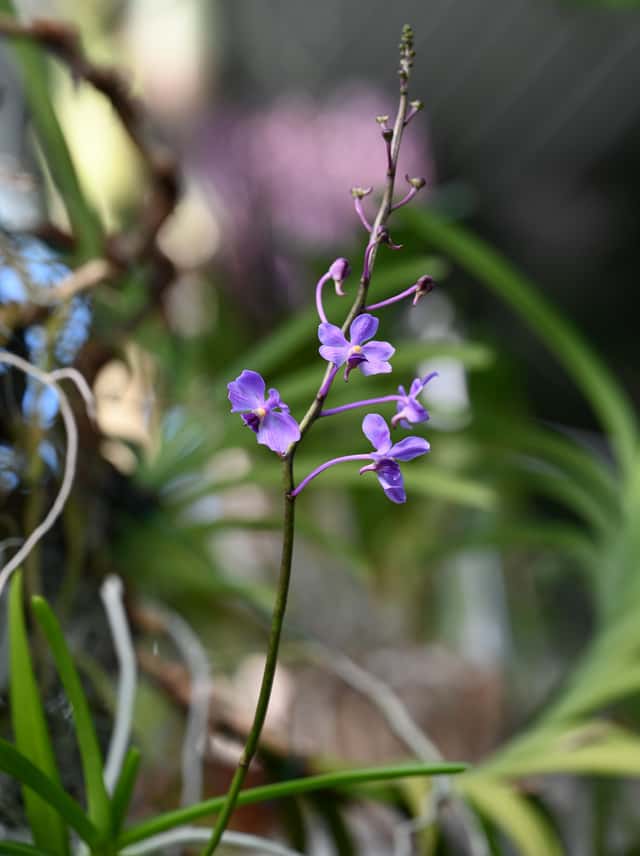
Blue Vanda (Vanda coerulescens) is a hard-care plant from the Orchidaceae family. Vanda coerulescens is a miniature epiphytic orchid native to the highland forests of Myanmar, China, and Thailand. Celebrated for its delicate pale blue-violet fragrant flowers, it is one of the rarest naturally blue orchids in the world. Each inflorescence bears 15 or more blooms about 1 inch acros...
Blue Vanda grows up to 1.5m, spread of 75cm, watering every 3 days, 7°C – 35°C, 70–85% humidity. It is suitable for indoor environments and safe for pets.
Unlike easy-care plants, Blue Vanda demands constant attention to humidity and light. Not recommended for beginners. Unlike many popular species, Blue Vanda is safe to keep around pets. Without adequate drainage, root rot can develop within 7 days.
How to Care for Blue Vanda?
TLDR: Blue Vanda needs Bright indirect, watering every 3 days, and temperatures between 7-35°C with 70-85% humidity.
How Often Should You Water Blue Vanda?
During active growth (spring/summer), water every 2-3 days, allowing roots to dry quickly after watering. In winter, reduce to once per week. Roots should never sit in standing water. Basket culture allows roots to dry quickly between waterings.
How Much Light Does Blue Vanda Need?
Needs 30,000-40,000 lux of bright light. Provide direct morning sun with partial afternoon shade in summer. Medium green leaves indicate adequate light; dark green signals insufficient light.
What Is the Best Soil for Blue Vanda?
Grow in hanging wooden slat baskets or vented pots with coarse medium: fir bark, charcoal, or tree fern fiber. The medium must dry rapidly between waterings. Never use regular potting soil.
What Pot Should You Use for Blue Vanda?
Wooden slatted hanging basket or vented ceramic pot to maximize root aeration.
Care Schedule
Fertilize
Every 10 days
Misting
Every 1 days
Repot
Every 730 days
What Is Blue Vanda and Where Does It Come From?
Vanda coerulescens is a miniature epiphytic orchid native to the highland forests of Myanmar, China, and Thailand. Celebrated for its delicate pale blue-violet fragrant flowers, it is one of the rarest naturally blue orchids in the world. Each inflorescence bears 15 or more blooms about 1 inch across, with a pleasant fragrance and long-lasting display.
How to Propagate Blue Vanda?
Keiki Division
Never force separation of the keiki before it has sufficient roots. Always use sterilized tools to prevent virus transmission between plants.
- 1 Wait for the mother plant to produce a keiki (side shoot) with at least 3 roots measuring 2 cm or longer.
- 2 Using a sterilized cutting tool, carefully separate the keiki from the mother plant.
- 3 Plant the keiki in a small hanging basket filled with coarse bark medium.
- 4 Maintain high humidity and mist the roots daily until the plant establishes.
Materials needed:
How Big Does Blue Vanda Grow?
TLDR: Blue Vanda can reach up to 1.5m tall with Slow growth rate.
Max height
1.5m
Spread
75cm
Growth rate
Slow
Foliage
Evergreen
Plant Uses
Ornamental
Great for decoration
Is your plant showing symptoms?
Click on the symptom to discover possible causes:
What Diseases Commonly Affect Blue Vanda?
TLDR: Blue Vanda is susceptible to 13 known diseases. Monitor regularly for early detection.
Bacterial Soft Rot
Bacterial soft rot is a destructive plant disease caused primarily by bacteria from the genera Pectobacterium (formerly Erwinia) and Dickeya. These bacteria produce enzymes that break down plant cell walls, causing rapid and foul-smelling tissue decomposition. It mainly affects succulent tissues such as tubers, fruits, stems, and bulbs, being especially problematic in warm and humid conditions.
Leaf Spot
Leaf spot is a common fungal disease caused by various pathogens including Alternaria, Ascochyta, Colletotrichum, Septoria, and Venturia. It primarily affects leaves, causing discolored spots that can lead to premature leaf drop if left untreated.
Root Rot
Root rot is a serious fungal disease that affects the root system of plants, causing them to decay and die. It is primarily caused by overwatering, poor drainage, or soil-borne fungi such as Pythium, Phytophthora, Rhizoctonia, and Fusarium. The disease thrives in waterlogged conditions where roots are deprived of oxygen, making them susceptible to fungal infection.
Mosaic Virus
Mosaic virus is a group of plant viruses that cause mottled, patchy patterns on leaves and can affect a wide variety of plants. The virus creates characteristic yellow, white, and green mosaic patterns, often accompanied by stunted growth and deformed plant parts. This highly contagious disease spreads rapidly through insect vectors and contaminated tools.
Meaning & Symbolism
Symbol of rarity, celestial beauty, and uniqueness in the orchid world. Represents elegance and the extraordinary.
Fun Facts
Vanda coerulescens is one of the few orchids in the world with naturally blue flowers, an extremely rare pigment in the plant kingdom.
In the wild, it grows at elevations between 300 and 1,600 meters in the forests of Myanmar, China, and Thailand.
A single flower spike can hold 15 or more fragrant blooms that last several weeks.
The species name 'coerulescens' comes from Latin, meaning 'tending toward sky blue'.
Frequently asked questions
How often should I water my Blue Vanda?
What light does Vanda coerulescens need?
Why is my Blue Vanda not blooming?
Is the Blue Vanda toxic to pets?
What growing medium is best for Vanda coerulescens?
Compare with similar plants
| Attribute | Difficulty | Light | Watering | Pet Safe |
|---|---|---|---|---|
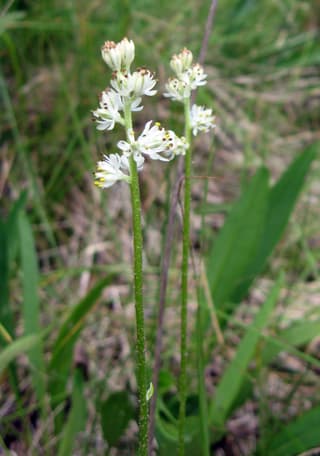
| Sticky false asphodel | Hard | Bright indirect | 1d | ✓ |
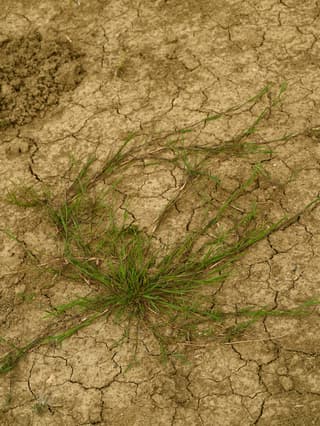
| Creeping bentgrass | Hard | Direct sun | 3d | ✓ |
| Bulbous Adder's-tongue | Hard | Partial shade | 4d | ✓ |
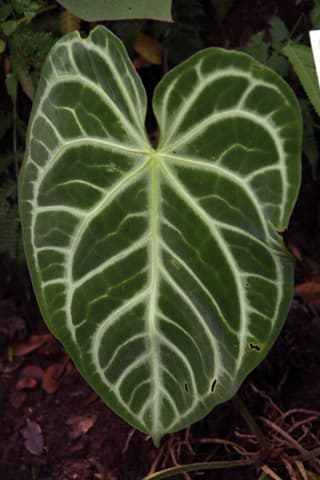
| Crystal Anthurium | Hard | Partial shade | 7d | ⚠️ |