Asteraceae
Musk thistle: Edible Plant
Carduus nutans
Musk thistle is an extremely resilient and hardy plant that thrives in full sun and well-drained soil. It requires very little maintenance and is highly drought-tolerant once established.
Every 14 days
Direct sun
-30° - 40°C
20% - 70%
Categories
What is Musk thistle?
Musk thistle (Carduus nutans) is a easy-care plant from the Asteraceae family. Carduus nutans, commonly known as the musk thistle, is a biennial herb in the Asteraceae family. It is recognized by its large, showy, nodding purple flower heads and spiny, winged stems. The plant forms a low-growing rosette in its first year and produces a tall flowering stalk in its second. While...
Musk thistle grows up to 2.5m, spread of 100cm, watering every 14 days, -30°C – 40°C, 20–70% humidity. It is not suitable for indoor environments and safe for pets.
Unlike many tropical plants, Musk thistle tolerates watering mistakes. Best for beginners. Unlike many popular species, Musk thistle is safe to keep around pets.
How to Care for Musk thistle?
TLDR: Musk thistle needs Direct sun, watering every 14 days, and temperatures between -30-40°C with 20-70% humidity.
How Often Should You Water Musk thistle?
Water sparingly; the plant is adapted to dry conditions and is susceptible to root rot in waterlogged soil.
How Much Light Does Musk thistle Need?
Requires full, direct sunlight to develop strong stems and vibrant flowers.
What Is the Best Soil for Musk thistle?
Thrives in neutral to slightly alkaline soils and can tolerate poor, rocky ground.
What Pot Should You Use for Musk thistle?
Not recommended for container growth due to its deep taproot and invasive nature.
What Is Musk thistle and Where Does It Come From?
Carduus nutans, commonly known as the musk thistle, is a biennial herb in the Asteraceae family. It is recognized by its large, showy, nodding purple flower heads and spiny, winged stems. The plant forms a low-growing rosette in its first year and produces a tall flowering stalk in its second. While it is often considered a noxious invasive weed in many regions, it has historical significance and ecological value for pollinators like bees and butterflies.
How to Propagate Musk thistle?
Seed Sowing
- Be careful of the sharp spines when handling the plant
- Avoid planting in areas where it can escape into the wild as it is highly invasive
- 1 Seed Collection
Collect seeds from the dried, fluffy flower heads in late summer or autumn.
- 2 Sowing
Sow seeds directly onto the soil surface in a sunny location.
- 3 Germination
Maintain light moisture until the first rosettes appear; seeds often germinate after a period of cold stratification.
Materials needed:
How Big Does Musk thistle Grow?
TLDR: Musk thistle can reach up to 2.5m tall with Fast growth rate.
Max height
2.5m
Spread
1.0m
Growth rate
Fast
Foliage
Deciduous
Plant Uses
Medicinal
Medicinal properties
Edible
Can be consumed
Medicinal Uses
- Historically used as a diuretic
- Used in traditional medicine as a blood purifier
- The seeds contain silymarin-like compounds
Culinary Uses
- Peeled stems can be eaten raw or cooked like celery
- Flower heads can be boiled and eaten like artichokes
- Pith of the stem is edible
Is your plant showing symptoms?
Click on the symptom to discover possible causes:
Meaning & Symbolism
Represents resilience, protection, and the rugged beauty of the wild.
Compare with similar plants
| Attribute | Difficulty | Light | Watering | Pet Safe |
|---|---|---|---|---|
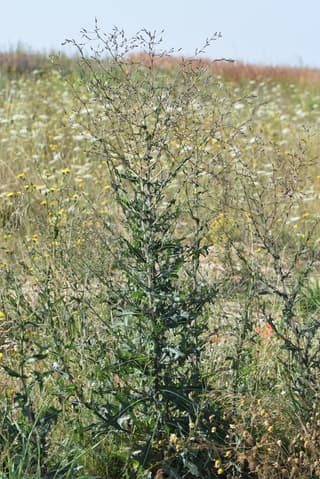
| Wild Lettuce | Medium | Direct sun | 7d | ⚠️ |
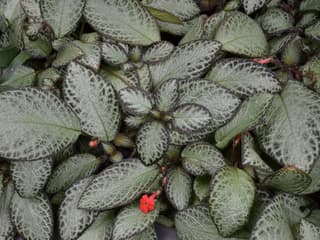
| Flame Violet | Easy | Partial shade | 7d | ✓ |
| Prickly Lettuce | Easy | Direct sun | 7d | ✓ |
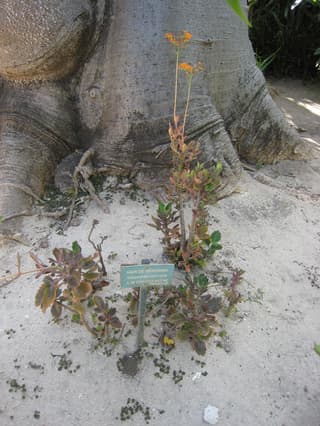
| Christmas Tree Plant | Easy | Bright indirect | 10d | ⚠️ |