Saxifragaceae
Heart-leaved Bergenia: Ground Cover Plant
Bergenia crassifolia
Bergenia is an easy-to-care-for perennial that thrives best in partial shade in moist, humus-rich soil. It has excellent frost resistance and is a nearly maintenance-free plant. Water moderately and regularly during the growing season and prune dead leaves and flower stalks in the spring.
Every 10 days
Low light
-30° - 25°C
40% - 70%
Categories
What is Heart-leaved Bergenia?
Heart-leaved Bergenia (Bergenia crassifolia) is a easy-care plant from the Saxifragaceae family. Bergenia crassifolia is a perennial evergreen plant native to Siberia, Mongolia, and Central Asia. It is recognized by its large, leathery, glossy leaves that turn reddish or bronze in winter. The plant blooms in early spring with beautiful pink, purple, or white flower clusters. It is extremely har...
Heart-leaved Bergenia grows up to 45cm, spread of 60cm, watering every 10 days, -30°C – 25°C, 40–70% humidity. It is not suitable for indoor environments and safe for pets.
Unlike many tropical plants, Heart-leaved Bergenia tolerates watering mistakes. Best for beginners. Unlike many popular species, Heart-leaved Bergenia is safe to keep around pets.
How to Care for Heart-leaved Bergenia?
TLDR: Heart-leaved Bergenia needs Low light, watering every 10 days, and temperatures between -30-25°C with 40-70% humidity.
How Often Should You Water Heart-leaved Bergenia?
Water approximately once every week to week and a half during the growing season. Keep the soil evenly moist but avoid standing water, which can cause root and stem rot. Watering can be significantly reduced in winter. The greatest threat is overwatering.
How Much Light Does Heart-leaved Bergenia Need?
Bergenia thrives best in partial shade or filtered light. It tolerates full shade and light sun, but scorching midday sun can burn the large leaves. In cooler climates, the plants can also tolerate full sun.
What Is the Best Soil for Heart-leaved Bergenia?
Grow Bergenias in humus-rich, well-draining loamy soil. The soil pH can range between 5.5 and 8.0, as the plant tolerates both acidic and slightly alkaline conditions. Mix sand and compost into heavy clay. It is also suitable for poor soil conditions.
What Pot Should You Use for Heart-leaved Bergenia?
Bergenia is generally not suitable for indoor use. Outdoors, it thrives as a groundcover in gardens or as a large container plant on terraces, provided the pot has good drainage. Use a deep pot to ensure enough space for the root system.
Care Schedule
Fertilize
Every 90 days
What Is Heart-leaved Bergenia and Where Does It Come From?
Bergenia crassifolia is a perennial evergreen plant native to Siberia, Mongolia, and Central Asia. It is recognized by its large, leathery, glossy leaves that turn reddish or bronze in winter. The plant blooms in early spring with beautiful pink, purple, or white flower clusters. It is extremely hardy and can survive temperatures as low as –30 °C.
How to Propagate Heart-leaved Bergenia?
Division
Seeds
How Big Does Heart-leaved Bergenia Grow?
TLDR: Heart-leaved Bergenia can reach up to 45cm tall with Slow growth rate.
Max height
45cm
Spread
60cm
Growth rate
Slow
Foliage
Evergreen
Plant Uses
Ornamental
Great for decoration
Medicinal
Medicinal properties
Ground Cover
Soil coverage
Medicinal Uses
- The rhizomes and leaves have been used in traditional folk medicine in Siberia and Central Asia for making tea and treating inflammation
- The tannin-rich leaves act as an antimicrobial and astringent
- The name 'Siberian tea' refers to its traditional use as a herbal beverage by local peoples
Culinary Uses
- The leaves have been dried and used as a tea beverage in Siberia and Mongolia—hence the name Siberian tea
- Young leaves have been used as a vegetable or salad-like side dish
Is your plant showing symptoms?
Click on the symptom to discover possible causes:
What Diseases Commonly Affect Heart-leaved Bergenia?
TLDR: Heart-leaved Bergenia is susceptible to 8 known diseases. Monitor regularly for early detection.
Leaf Spot
Leaf spot is a common fungal disease caused by various pathogens including Alternaria, Ascochyta, Colletotrichum, Septoria, and Venturia. It primarily affects leaves, causing discolored spots that can lead to premature leaf drop if left untreated.
Crown Rot
Crown rot is a serious fungal disease that attacks the crown (base) of the plant where the stem meets the soil. It is caused by various fungal pathogens including Phytophthora, Fusarium, and Rhizoctonia. The disease thrives in waterlogged conditions and can quickly spread to kill the entire plant if not addressed promptly.
Root Rot
Root rot is a serious fungal disease that affects the root system of plants, causing them to decay and die. It is primarily caused by overwatering, poor drainage, or soil-borne fungi such as Pythium, Phytophthora, Rhizoctonia, and Fusarium. The disease thrives in waterlogged conditions where roots are deprived of oxygen, making them susceptible to fungal infection.
Anthracnose
Anthracnose is a fungal disease caused by fungi in the genus Colletotrichum that affects many plants, including vegetables, fruits, and trees. The disease thrives in cool, wet conditions, causing dark, sunken lesions on leaves, stems, flowers, and fruits.
Compare with similar plants
| Attribute | Difficulty | Light | Watering | Pet Safe |
|---|---|---|---|---|
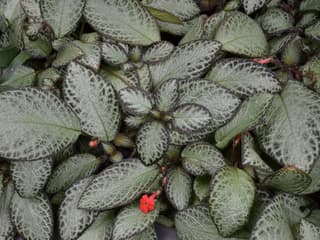
| Flame Violet | Easy | Partial shade | 7d | ✓ |
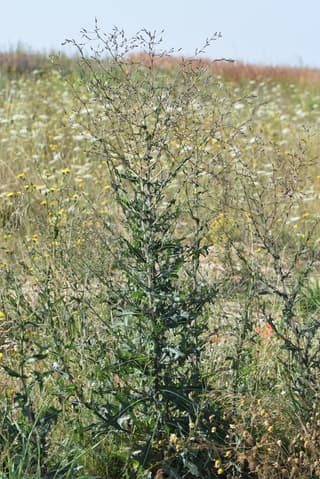
| Prickly Lettuce | Easy | Direct sun | 7d | ✓ |
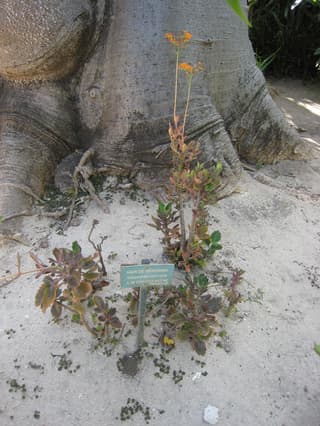
| Christmas Tree Plant | Easy | Bright indirect | 10d | ⚠️ |
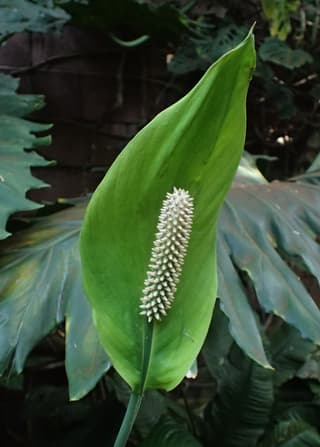
| Peace Lily | Easy | Low light | 7d | ⚠️ |