Poaceae
Mediterranean False Brome (Brachypodium retusum)
Brachypodium retusum
Very low maintenance. Thrives with minimal water, tolerates poor rocky soils and prolonged drought. Full sun is ideal. Virtually no fertilizing needed. Light trimming every 6 months keeps clumps tidy.
Every 14 days
Direct sun
-10° - 38°C
30% - 60%
Categories
What is Mediterranean False Brome?
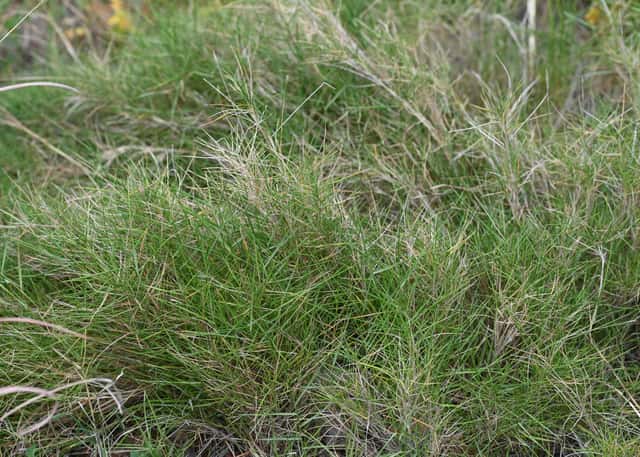
Mediterranean False Brome (Brachypodium retusum) is a easy-care plant from the Poaceae family. Brachypodium retusum is a tough, drought-resistant perennial grass native to the Mediterranean basin. It forms dense tufts of narrow, glaucous leaf blades that remain green year-round. Ecologically significant, it is the first grass to resprout after wildfires, making it vital for soil stabilization...
Mediterranean False Brome grows up to 70cm, spread of 50cm, watering every 14 days, -10°C – 38°C, 30–60% humidity. It is not suitable for indoor environments and safe for pets.
Unlike many tropical plants, Mediterranean False Brome tolerates watering mistakes. Best for beginners. Unlike many popular species, Mediterranean False Brome is safe to keep around pets.
How to Care for Mediterranean False Brome?
TLDR: Mediterranean False Brome needs Direct sun, watering every 14 days, and temperatures between -10-38°C with 30-60% humidity.
How Often Should You Water Mediterranean False Brome?
Water every 14 days in summer, reducing to once a month in winter. Allow soil to dry completely between waterings. Highly sensitive to overwatering — never allow waterlogging.
How Much Light Does Mediterranean False Brome Need?
Requires full sun to light shade. Needs at least 6 hours of direct sunlight daily. Tolerates intense Mediterranean sun and heat without issue.
What Is the Best Soil for Mediterranean False Brome?
Thrives in well-drained, poor, stony or calcareous soils. Indifferent to soil type. Avoid rich organic soils that retain moisture, which can cause root rot.
What Pot Should You Use for Mediterranean False Brome?
Terracotta or unglazed ceramic pots are ideal — they allow good drainage and breathability. Avoid plastic pots without drainage holes.
Care Schedule
Fertilize
Every 90 days
What Is Mediterranean False Brome and Where Does It Come From?
Brachypodium retusum is a tough, drought-resistant perennial grass native to the Mediterranean basin. It forms dense tufts of narrow, glaucous leaf blades that remain green year-round. Ecologically significant, it is the first grass to resprout after wildfires, making it vital for soil stabilization and habitat recovery across Mediterranean scrubland and garrigue. Its pale yellow-green spikelets bloom from spring to early summer, adding natural texture and movement to dry gardens.
How to Propagate Mediterranean False Brome?
Clump Division
Divide in spring before flowering begins. Use sharp tools to minimize root damage.
- 1 Divide the clump with a sharp spade in spring
- 2 Replant divisions in well-drained soil
- 3 Water moderately until established
Materials needed:
Seed Sowing
Seeds germinate best with day/night temperature fluctuations. Do not over-cover.
- 1 Sow seeds on the surface of lightly moist substrate
- 2 Cover lightly with fine sand
- 3 Keep in a sunny location and water moderately
Materials needed:
How Big Does Mediterranean False Brome Grow?
TLDR: Mediterranean False Brome can reach up to 70cm tall with Slow growth rate.
Max height
70cm
Spread
50cm
Growth rate
Slow
Foliage
Evergreen
Plant Uses
Ornamental
Great for decoration
Ground Cover
Soil coverage
Is your plant showing symptoms?
Click on the symptom to discover possible causes:
What Diseases Commonly Affect Mediterranean False Brome?
TLDR: Mediterranean False Brome is susceptible to 5 known diseases. Monitor regularly for early detection.
Rust Fungi
Rust fungi (Pucciniales) are fungal diseases that form rust-colored, usually orange to brown pustules with powdery spore dust on leaves, stems, or fruits. Typical symptoms include small spots that develop into cushions or rings; leaves turn yellow, curl, and drop prematurely. The fungi spread primarily in damp weather and dense foliage. Many ornamental and crop plants are affected, frequently including roses, mallows (hollyhocks), pears (pear rust), and currants. Some rust fungi require two host plants for their life cycle, such as pear and certain juniper species.
Root Rot
Root rot is a serious fungal disease that affects the root system of plants, causing them to decay and die. It is primarily caused by overwatering, poor drainage, or soil-borne fungi such as Pythium, Phytophthora, Rhizoctonia, and Fusarium. The disease thrives in waterlogged conditions where roots are deprived of oxygen, making them susceptible to fungal infection.
Leaf Spot
Leaf spot is a common fungal disease caused by various pathogens including Alternaria, Ascochyta, Colletotrichum, Septoria, and Venturia. It primarily affects leaves, causing discolored spots that can lead to premature leaf drop if left untreated.
Overwatering
Overwatering occurs when plants receive too much water, depriving roots of oxygen and causing root rot. This environmental stress is one of the most common causes of houseplant death, as waterlogged soil prevents roots from breathing and functioning properly.
Meaning & Symbolism
Symbol of Mediterranean resilience and ecological recovery after fire.
Fun Facts
It is the first grass to resprout after Mediterranean wildfires, acting as an ecological guardian of the soil
Can live for decades without replanting, forming increasingly dense clumps over the years
Tolerates temperatures from -10°C to 38°C, perfectly adapted to Mediterranean climatic extremes
Frequently asked questions
How often should I water Mediterranean False Brome?
Is Brachypodium retusum toxic to pets?
Can it be grown in a pot?
When does it flower?
Compare with similar plants
| Attribute | Difficulty | Light | Watering | Pet Safe |
|---|---|---|---|---|
| Field Maple | Easy | Bright indirect | 14d | ✓ |
| Cushion Bush | Easy | Direct sun | 14d | ✓ |
| Chilean Cacti | Easy | Direct sun | 14d | ✓ |
| Flame Violet | Easy | Partial shade | 7d | ✓ |