Asteraceae
Cushion Bush: Ground Cover Plant
Leucophyta brownii
The Cushion Bush is a low-maintenance plant suitable for both beginners and experienced gardeners. It requires full sun and well-drained, poor soil. It is extremely drought-tolerant and does not tolerate waterlogging. It does not require fertilization or misting. It can be occasionally pruned after flowering to maintain its compact shape.
Every 14 days
Direct sun
5° - 30°C
20% - 50%
Categories
What is Cushion Bush?
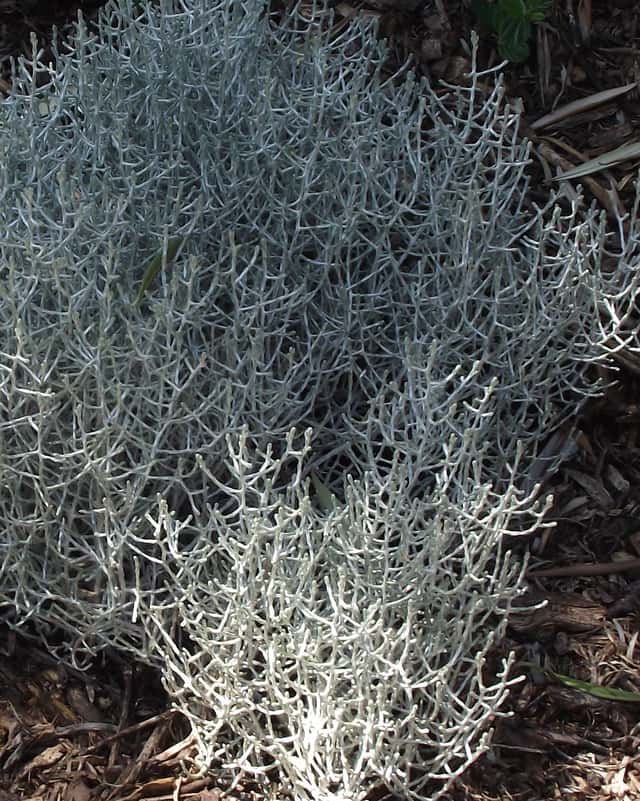
Cushion Bush (Leucophyta brownii) is a easy-care plant from the Asteraceae family. The Cushion Bush (Leucophyta brownii) is a compact, dense evergreen shrub native to the coastal regions of southern Australia. It is popular for its striking silver-blue color, provided by its finely hairy, scale-like stems and leaves. The plant forms round, hemispherical cushions typically reaching...
Cushion Bush grows up to 1.0m, spread of 100cm, watering every 14 days, 5°C – 30°C, 20–50% humidity. It is not suitable for indoor environments and safe for pets.
Unlike many tropical plants, Cushion Bush tolerates watering mistakes. Best for beginners. Unlike many popular species, Cushion Bush is safe to keep around pets.
How to Care for Cushion Bush?
TLDR: Cushion Bush needs Direct sun, watering every 14 days, and temperatures between 5-30°C with 20-50% humidity.
How Often Should You Water Cushion Bush?
Water only when the soil has completely dried out – typically once every 14 days. Once established, a deep watering every two weeks during dry spells is sufficient. Avoid overwatering, as excessive soil moisture causes root rot and can kill the plant.
How Much Light Does Cushion Bush Need?
The plant requires full sun for at least 6 hours a day. In full sun, it grows compactly and maintains its bright silver coloration. In partial shade, it grows more loosely and loses the intensity of its silver color. Avoid deep shade.
What Is the Best Soil for Cushion Bush?
It thrives best in poor, alkaline to neutral, well-drained soil (pH 7.0–8.5). Sandy or rocky soil is ideal. Rich, wet, or clay soil is harmful. It does not need fertilization – nutrient-rich soils can cause excessive growth and shorten its lifespan.
What Pot Should You Use for Cushion Bush?
Use a container with large drainage holes and a cactus or succulent substrate mixed with perlite. A clay or terracotta pot encourages the evaporation of excess moisture. Also suitable for outdoor garden containers on a terrace or balcony.
Care Schedule
Repot
Every 730 days
What Is Cushion Bush and Where Does It Come From?
The Cushion Bush (Leucophyta brownii) is a compact, dense evergreen shrub native to the coastal regions of southern Australia. It is popular for its striking silver-blue color, provided by its finely hairy, scale-like stems and leaves. The plant forms round, hemispherical cushions typically reaching a height and width of 60–100 cm. In summer, it produces small, round flower heads in a yellow-cream color that are attractive to pollinators. The Cushion Bush is ideal for coastal gardens, rockeries, and xeriscapes with low water requirements. It is resistant to wind, sea salt, frost, and drought.
How to Propagate Cushion Bush?
How Big Does Cushion Bush Grow?
TLDR: Cushion Bush can reach up to 1.0m tall with Medium growth rate.
Max height
1.0m
Spread
1.0m
Growth rate
Medium
Foliage
Evergreen
Plant Uses
Ornamental
Great for decoration
Ground Cover
Soil coverage
Is your plant showing symptoms?
Click on the symptom to discover possible causes:
What Diseases Commonly Affect Cushion Bush?
TLDR: Cushion Bush is susceptible to 6 known diseases. Monitor regularly for early detection.
Root Rot
Root rot is a serious fungal disease that affects the root system of plants, causing them to decay and die. It is primarily caused by overwatering, poor drainage, or soil-borne fungi such as Pythium, Phytophthora, Rhizoctonia, and Fusarium. The disease thrives in waterlogged conditions where roots are deprived of oxygen, making them susceptible to fungal infection.
Gray Mold (Botrytis Blight)
Gray mold, caused by the fungus Botrytis cinerea, is a widespread necrotrophic pathogen affecting over 1,400 plant species. It thrives in cool, humid conditions and attacks weakened or aging plant tissues, causing soft rot and characteristic gray fuzzy growth.
Overwatering
Overwatering occurs when plants receive too much water, depriving roots of oxygen and causing root rot. This environmental stress is one of the most common causes of houseplant death, as waterlogged soil prevents roots from breathing and functioning properly.
Scale Insects
Scale insects are small sap-sucking pests that appear as brown, shell-like bumps on plant stems and leaves. There are over 25 species, divided into armored (hard) and unarmored (soft) scales. They feed by piercing plant tissue and extracting sap, which weakens the plant and can lead to yellowing, stunted growth, and even death if left untreated. They also excrete honeydew, which attracts ants and promotes sooty mold growth.
Compare with similar plants
| Attribute | Difficulty | Light | Watering | Pet Safe |
|---|---|---|---|---|
| Field Maple | Easy | Bright indirect | 14d | ✓ |
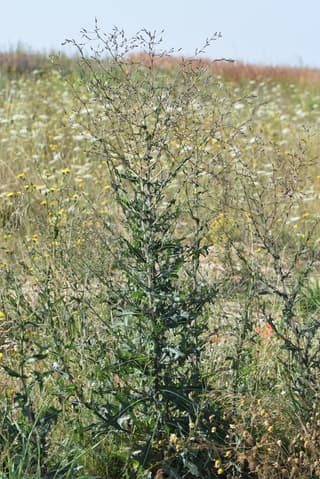
| Wild Lettuce | Medium | Direct sun | 7d | ⚠️ |
| Chilean Cacti | Easy | Direct sun | 14d | ✓ |
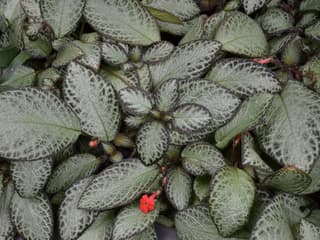
| Flame Violet | Easy | Partial shade | 7d | ✓ |