Brassicaceae
Brown Mustard (Brassica juncea)
Brassica juncea
An easy-to-grow annual best suited for cool seasons. Provide full sun (6–8 hours daily), well-drained fertile soil, and consistent moisture. Water every 5–7 days. Fertilize monthly. Grows best between 10°C and 24°C (50–75°F). Bolts quickly in hot weather.
Every 6 days
Direct sun
10° - 24°C
40% - 70%
Categories
What is Brown Mustard?
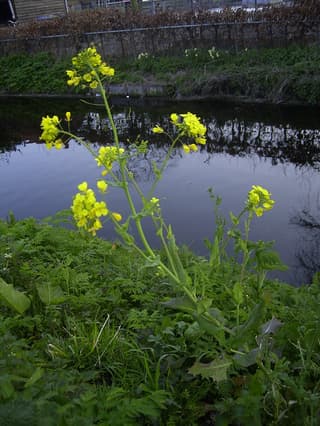
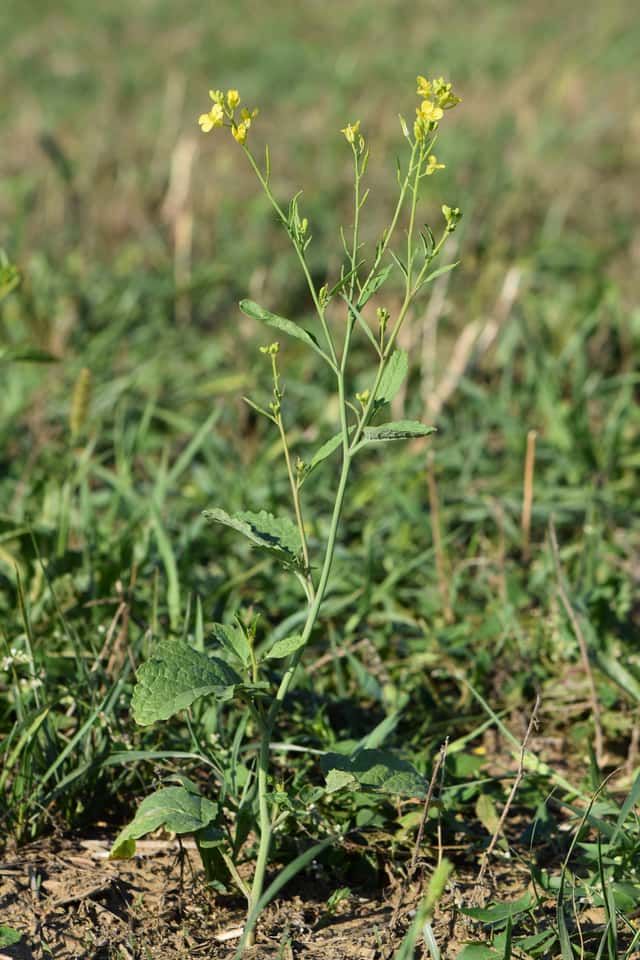
Brown Mustard (Brassica juncea) is a easy-care plant from the Brassicaceae family. Brassica juncea, commonly known as brown mustard or mustard greens, is a fast-growing annual herb in the Brassicaceae family, native to Central and South Asia. It is widely cultivated worldwide for its pungent edible leaves, seeds used in condiment production, and mustard oil extraction. The plant p...
Brown Mustard grows up to 80cm, spread of 30cm, watering every 6 days, 10°C – 24°C, 40–70% humidity. It is not suitable for indoor environments and not safe for pets.
Unlike many tropical plants, Brown Mustard tolerates watering mistakes. Best for beginners. Without precautions, ingestion can cause irritation in pets. Keep out of reach of cats and dogs.
How to Care for Brown Mustard?
TLDR: Brown Mustard needs Direct sun, watering every 6 days, and temperatures between 10-24°C with 40-70% humidity.
How Often Should You Water Brown Mustard?
Water every 5–7 days, keeping soil evenly moist. Avoid overhead watering to reduce fungal disease risk. During heat waves, check soil moisture more frequently.
How Much Light Does Brown Mustard Need?
Mustard greens need 6 or more hours of direct sunlight daily. In hot climates, afternoon shade can delay bolting and keep leaves tender.
What Is the Best Soil for Brown Mustard?
Plant in loamy, rich organic soil with a pH of 6.0–6.8. Amend with compost before planting to ensure good drainage and fertility.
Care Schedule
Fertilize
Every 30 days
What Is Brown Mustard and Where Does It Come From?
Brassica juncea, commonly known as brown mustard or mustard greens, is a fast-growing annual herb in the Brassicaceae family, native to Central and South Asia. It is widely cultivated worldwide for its pungent edible leaves, seeds used in condiment production, and mustard oil extraction. The plant produces bright yellow flowers and thrives in cool weather.
How Big Does Brown Mustard Grow?
TLDR: Brown Mustard can reach up to 80cm tall with Fast growth rate.
Max height
80cm
Spread
30cm
Growth rate
Fast
Foliage
Deciduous
Warning: Toxic Plant
This plant can be toxic if ingested. Keep out of reach of:
Plant Uses
Edible
Can be consumed
Medicinal
Medicinal properties
Aromatic
Pleasant fragrance
Medicinal Uses
- Natural anti-inflammatory
- Digestive stimulant
- Topical rubefacient in traditional poultices
Culinary Uses
- Raw leaves in salads
- Stir-fried or braised greens
- Seeds ground into mustard condiment
- Mustard oil for cooking
Is your plant showing symptoms?
Click on the symptom to discover possible causes:
What Diseases Commonly Affect Brown Mustard?
TLDR: Brown Mustard is susceptible to 7 known diseases. Monitor regularly for early detection.
Alternaria Leaf Spot
Alternaria leaf spot is a common fungal disease caused by Alternaria solani and Alternaria alternata that affects a wide range of plants including tomatoes, potatoes, brassicas, and ornamentals. The disease thrives in warm, humid conditions and can cause significant crop damage if left untreated. Spores overwinter on plant debris and can attach to seeds, making complete elimination difficult.
Downy Mildew
Downy mildew is a fungal-like disease caused by oomycetes (water molds) that thrives in cool, wet conditions. It affects a wide range of plants, causing yellowing leaves with fuzzy white-gray growth underneath, leading to defoliation and reduced yields if left untreated.
Aphids
Aphids are small, soft-bodied, pear-shaped insects (1/16 to 1/8 inch long) that feed by sucking nutrient-rich sap from plants. They reproduce rapidly and can quickly weaken plants, causing distorted growth and transmitting plant viruses. Aphids come in various colors including green, black, red, yellow, brown, and gray. They secrete honeydew, a sticky substance that attracts ants and encourages sooty mold growth.
Damping Off
Damping off is a soil-borne fungal disease that affects seeds and young seedlings, causing rotting of stem and root tissues at and below the soil line. It is caused by several fungi including Pythium, Rhizoctonia, Fusarium, and Phytophthora. The disease thrives in cold, wet conditions with poor air circulation.
Fun Facts
Mustard is one of the oldest spices in the world, with records of its use in India dating back over 5,000 years.
The plant is used in phytoremediation to extract heavy metals from contaminated soil.
Yellow mustard flowers are a valuable nectar source for honeybees and other pollinators.
Frequently asked questions
When is the best time to plant mustard greens?
Is mustard toxic to pets?
How do I prevent bolting?
Compare with similar plants
| Attribute | Difficulty | Light | Watering | Pet Safe |
|---|---|---|---|---|
| Field Maple | Easy | Bright indirect | 14d | ✓ |
| Cushion Bush | Easy | Direct sun | 14d | ✓ |
| Chilean Cacti | Easy | Direct sun | 14d | ✓ |
| Flame Violet | Easy | Partial shade | 7d | ✓ |