Poaceae
Brome grass: Ground Cover Plant
Bromus
An extremely hardy plant that prefers full sun and well-drained soils. It requires little maintenance beyond occasional pruning to control growth.
Every 10 days
Bright indirect
-38° - 35°C
30% - 60%
Categories
What is Brome grass?
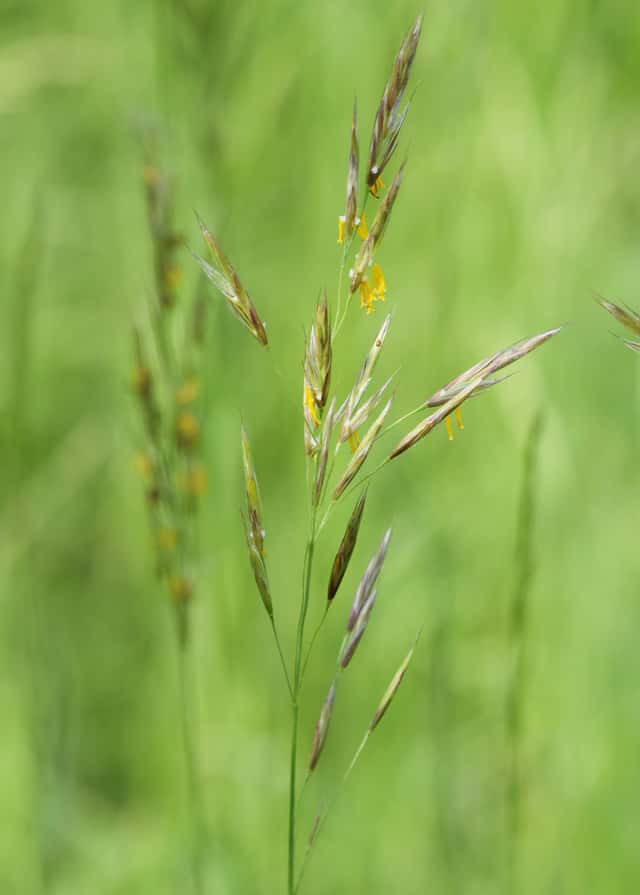
Brome grass (Bromus) is a easy-care plant from the Poaceae family. The genus Bromus comprises a diverse group of grasses, commonly known as bromes or brome grasses. They are widely distributed in temperate regions and are recognized by their branched and drooping panicle inflorescences. While some species are considered weeds in crops, many are valued as livestock...
Brome grass grows up to 1.2m, with spread of 60cm, watering every 10 days, -38°C – 35°C, 30–60% humidity. It is not suitable for indoor environments and safe for pets.
Unlike many tropical plants, Brome grass tolerates watering mistakes. Best for beginners. Unlike many popular species, Brome grass is safe to keep around pets.
How to Care for Brome grass?
TLDR: Brome grass needs Bright indirect, watering every 10 days, and temperatures between -38-35°C with 30-60% humidity.
How Often Should You Water Brome grass?
Water regularly during the summer, but allow the soil to dry out between waterings to prevent fungal issues.
How Much Light Does Brome grass Need?
For full development, the plant should receive direct sunlight for at least 6 hours daily.
What Is the Best Soil for Brome grass?
Prefers sandy-loam soils that do not allow standing water to accumulate around the roots.
What Pot Should You Use for Brome grass?
Wide pots with good drainage or direct planting in the ground to allow for root system expansion.
Care Schedule
Fertilize
Every 60 days
What Is Brome grass and Where Does It Come From?
The genus Bromus comprises a diverse group of grasses, commonly known as bromes or brome grasses. They are widely distributed in temperate regions and are recognized by their branched and drooping panicle inflorescences. While some species are considered weeds in crops, many are valued as livestock forage or as ornamental plants due to their delicate texture and graceful movement in the wind.
How to Propagate Brome grass?
Sowing
- Germination is faster in mild temperatures.
- Avoid excessive waterlogging during the first few days.
- 1 Soil Preparation
Prepare light, well-drained soil, removing debris and stones.
- 2 Sowing
Spread the seeds evenly over the surface without burying them deeply.
- 3 Covering and Watering
Cover with a minimal layer of soil and keep the soil moist until germination.
Materials needed:
Clump Division
- Perform the division on cloudy days to reduce plant stress.
- Keep the plant well-watered in the first few weeks after replanting.
- 1 Extraction
Carefully dig up the mature clump to preserve the roots.
- 2 Division
Cut the root mass into smaller sections, ensuring each part has healthy shoots.
- 3 Replanting
Plant the divisions immediately in their permanent location and water well.
Materials needed:
How Big Does Brome grass Grow?
TLDR: Brome grass can reach up to 1.2m tall with Fast growth rate.
Max height
1.2m
Spread
60cm
Growth rate
Fast
Foliage
Deciduous
Plant Uses
Ornamental
Great for decoration
Ground Cover
Soil coverage
Is your plant showing symptoms?
Click on the symptom to discover possible causes:
What Diseases Commonly Affect Brome grass?
TLDR: Brome grass is susceptible to 16 known diseases. Monitor regularly for early detection.
Rust
Rust is a common fungal disease caused by fungi in the order Pucciniales that affects a wide variety of plants. The disease gets its name from the characteristic orange, yellow, or reddish-brown pustules that appear on leaves, resembling metal rust. This obligate fungal parasite requires living plants to survive and can cause significant economic losses in agricultural crops.
Powdery Mildew
Powdery mildew is a common fungal disease caused by various fungi species including Erysiphe, Podosphaera, Oïdium, and Leveillula. It affects over 10,000 plant species worldwide. The disease thrives in warm, dry climates with high humidity and appears as a distinctive white powdery coating on plant surfaces.
Leaf Spot
Leaf spot is a common fungal disease caused by various pathogens including Alternaria, Ascochyta, Colletotrichum, Septoria, and Venturia. It primarily affects leaves, causing discolored spots that can lead to premature leaf drop if left untreated.
Septoria Leaf Spot
Septoria leaf spot is a destructive fungal disease caused by Septoria lycopersici, particularly devastating during seasons of moderate temperature and abundant rainfall. The disease starts on lower leaves and progresses upward, causing small circular spots with tan to gray centers and dark brown margins. If left untreated, it can dramatically reduce plant yields and cause complete leaf blight.
Meaning & Symbolism
Represents resilience, simplicity, and a connection to rural landscapes.
Compare with similar plants
| Attribute | Difficulty | Light | Watering | Pet Safe |
|---|---|---|---|---|
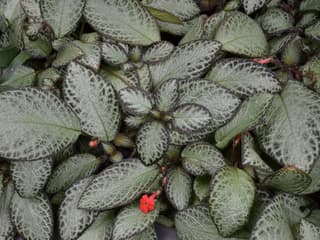
| Flame Violet | Easy | Partial shade | 7d | ✓ |
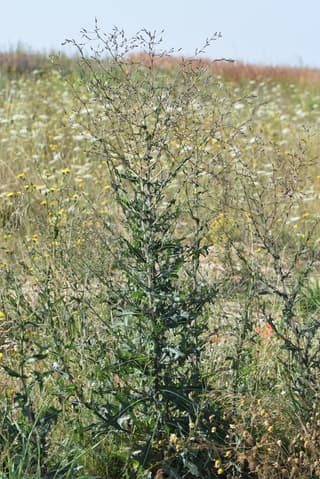
| Prickly Lettuce | Easy | Direct sun | 7d | ✓ |
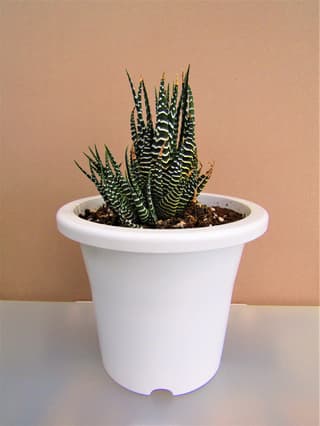
| Haworthiopsis (genus) | Easy | Partial shade | 14d | ✓ |
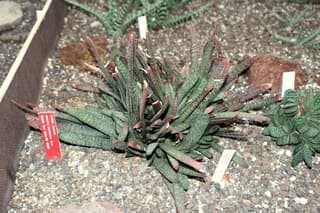
| Gasteria (genus) | Easy | Partial shade | 14d | ✓ |