Commelinaceae
Brown Spiderwort (Siderasis fuscata): Complete Care Guide
Siderasis fuscata
Easy-care plant perfect for indoor settings. Thrives in filtered light or partial shade, rich moist soil, and high humidity. Avoid direct sunlight and waterlogged soil. Fertilize monthly during spring and summer.
Every 7 days
Low light
15° - 27°C
60% - 80%
Categories
What is Brown Spiderwort?
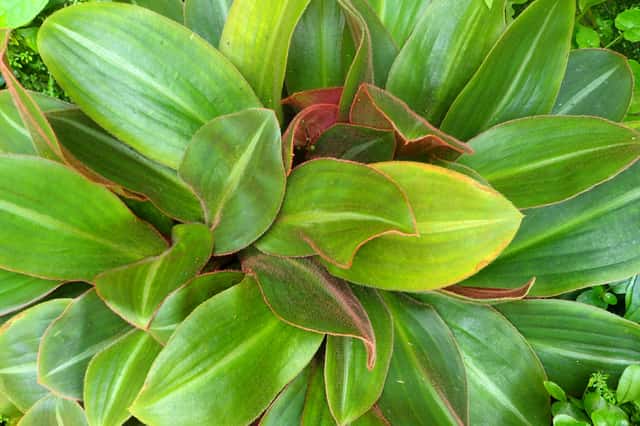
Brown Spiderwort (Siderasis fuscata) is a easy-care plant from the Commelinaceae family. Siderasis fuscata, commonly known as Brown Spiderwort, is a perennial herbaceous plant native to the tropical rainforests of Brazil. It features broad, velvety dark green leaves with distinctive purple undersides, forming a compact rosette. Small violet-purple flowers emerge directly from the foliag...
Brown Spiderwort grows up to 25cm, with spread of 30cm, watering every 7 days, 15°C – 27°C, 60–80% humidity. It is suitable for indoor environments and safe for pets.
Unlike many tropical plants, Brown Spiderwort tolerates watering mistakes. Best for beginners. Unlike many popular species, Brown Spiderwort is safe to keep around pets. Without adequate drainage, root rot can develop within 14 days.
How to Care for Brown Spiderwort?
TLDR: Brown Spiderwort needs Low light, watering every 7 days, and temperatures between 15-27°C with 60-80% humidity.
How Often Should You Water Brown Spiderwort?
Water weekly, allowing the top 2-3 cm of soil to dry out between waterings. Reduce frequency in winter. Avoid overwatering as roots are sensitive to excess moisture and root rot.
How Much Light Does Brown Spiderwort Need?
Place in bright indirect light or partial shade. Avoid direct sun which can scorch the velvety leaves. Adapts well to indoor environments with moderate light levels, even thriving in bathrooms.
What Is the Best Soil for Brown Spiderwort?
Use rich, well-draining potting mix with organic matter. Mix regular potting soil with perlite or peat moss to ensure good aeration and moisture retention without waterlogging.
What Pot Should You Use for Brown Spiderwort?
Terracotta or unglazed ceramic pot that allows gas exchange and prevents waterlogging. Size proportional to the rosette, with drainage holes.
Care Schedule
Fertilize
Every 30 days
Misting
Every 3 days
Repot
Every 548 days
What Is Brown Spiderwort and Where Does It Come From?
Siderasis fuscata, commonly known as Brown Spiderwort, is a perennial herbaceous plant native to the tropical rainforests of Brazil. It features broad, velvety dark green leaves with distinctive purple undersides, forming a compact rosette. Small violet-purple flowers emerge directly from the foliage during summer. An excellent low-light houseplant for those seeking exotic tropical beauty with minimal care.
How to Propagate Brown Spiderwort?
Clump Division
Perform division in early spring for best results. Maintain high humidity during the first few days after repotting to reduce transplant stress.
- 1 Remove the plant from its pot and gently shake off excess soil from the roots.
- 2 Divide the clump into smaller sections, ensuring each division has roots and leaves.
- 3 Plant each division in an individual pot with moist, rich potting mix.
- 4 Keep in a shaded location and water regularly until established.
Materials needed:
How Big Does Brown Spiderwort Grow?
TLDR: Brown Spiderwort can reach up to 25cm tall with Slow growth rate.
Max height
25cm
Spread
30cm
Growth rate
Slow
Foliage
Evergreen
Plant Uses
Ornamental
Great for decoration
Is your plant showing symptoms?
Click on the symptom to discover possible causes:
What Diseases Commonly Affect Brown Spiderwort?
TLDR: Brown Spiderwort is susceptible to 5 known diseases. Monitor regularly for early detection.
Root Rot
Root rot is a serious fungal disease that affects the root system of plants, causing them to decay and die. It is primarily caused by overwatering, poor drainage, or soil-borne fungi such as Pythium, Phytophthora, Rhizoctonia, and Fusarium. The disease thrives in waterlogged conditions where roots are deprived of oxygen, making them susceptible to fungal infection.
Overwatering
Overwatering occurs when plants receive too much water, depriving roots of oxygen and causing root rot. This environmental stress is one of the most common causes of houseplant death, as waterlogged soil prevents roots from breathing and functioning properly.
Spider Mites
Spider mites are tiny arachnids (less than 1/20 inch long) related to spiders and ticks that feed on plant sap. They thrive in hot, dry conditions and can cause significant damage to ornamental and vegetable plants. During severe infestations, crop losses can reach 14% or higher as these pests disrupt vital plant processes including photosynthesis, carbon dioxide absorption, and transpiration.
Mealybugs
Mealybugs are small, soft-bodied insects covered with a white, waxy, cottony material. They are common pests of houseplants and outdoor plants in mild climates. These sap-sucking insects feed on plant tissue, causing damage, stunted growth, and can lead to plant death if left untreated. They produce sticky honeydew which attracts sooty mold.
Meaning & Symbolism
Symbol of resilience and adaptation, thriving in the shadows of the tropical understory.
Fun Facts
Siderasis fuscata is the only species in the genus Siderasis, making it a truly unique monotypic genus.
The purple undersides of the leaves are an evolutionary adaptation to reflect light upward, maximizing photosynthesis in the dim forest understory.
The tiny violet flowers emerge directly from between the leaves, creating a charming contrast against the dark velvety foliage.
In its native habitat, Brown Spiderwort grows on the floor of Brazil's Atlantic tropical forests, one of the world's most biodiverse ecosystems.
Frequently asked questions
How often should I water Brown Spiderwort?
Is Siderasis fuscata toxic to cats and dogs?
How much light does Brown Spiderwort need?
How do I increase humidity for my Siderasis fuscata?
Why are the leaves on my Brown Spiderwort turning yellow?
Compare with similar plants
| Attribute | Difficulty | Light | Watering | Pet Safe |
|---|---|---|---|---|
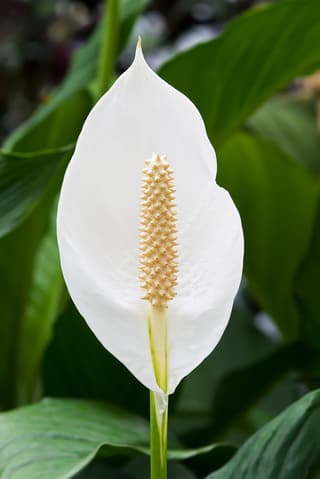
| Peace Lily | Easy | Low light | 4d | ⚠️ |
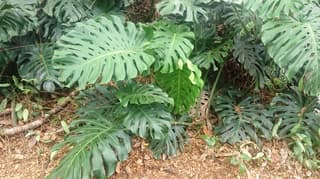
| Swiss Cheese Plant | Easy | Partial shade | 10d | ⚠️ |
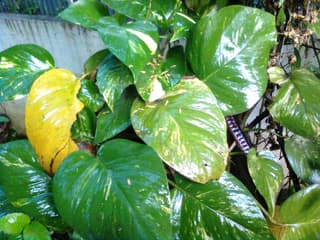
| Golden Pothos | Easy | Low light | 8d | ⚠️ |
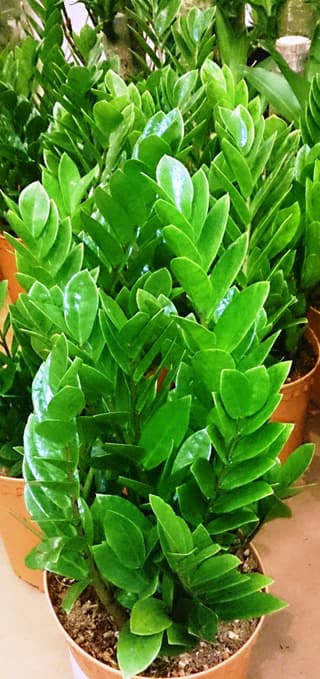
| ZZ Plant | Easy | Low light | 18d | ⚠️ |