Cucurbitaceae
Native Bryony: Full Sun Plant
Diplocyclos palmatus
Provide a sturdy support for climbing and maintain consistent moisture in rich, well-draining soil. It thrives in warm, humid environments with bright, indirect light.
Every 21 days
Direct sun
15° - 38°C
50% - 70%
Categories
What is Native Bryony?
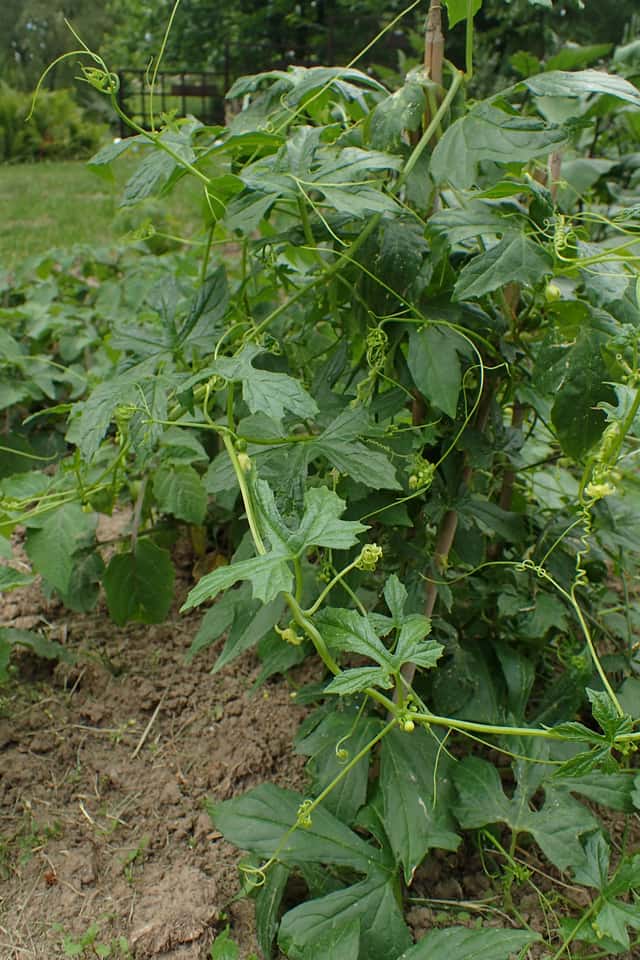
Native Bryony (Diplocyclos palmatus) is a easy-care plant from the Cucurbitaceae family. Diplocyclos palmatus, commonly known as the Lollipop Climber or Native Bryony, is a perennial climbing vine in the Cucurbitaceae family. It is most famous for its highly decorative, marble-sized fruits that transition from green with white stripes to a vibrant red with white stripes as they mature....
Native Bryony grows up to 6.0m, spread of 200cm, watering every 21 days, 15°C – 38°C, 50–70% humidity. It is not suitable for indoor environments and not safe for pets.
Unlike many tropical plants, Native Bryony tolerates watering mistakes. Best for beginners. Without precautions, ingestion can cause irritation in pets. Keep out of reach of cats and dogs.
How to Care for Native Bryony?
TLDR: Native Bryony needs Direct sun, watering every 21 days, and temperatures between 15-38°C with 50-70% humidity.
How Often Should You Water Native Bryony?
Keep the soil consistently moist during the active growing season, but ensure the pot never sits in standing water.
How Much Light Does Native Bryony Need?
Prefers bright, filtered light; direct afternoon sun in very hot climates may scorch the delicate leaves.
What Is the Best Soil for Native Bryony?
Use a potting mix rich in organic matter with added perlite or coarse sand to ensure good drainage.
What Pot Should You Use for Native Bryony?
A large, deep pot with excellent drainage, equipped with a tall trellis or wire mesh for climbing.
Care Schedule
Fertilize
Every 90 days
What Is Native Bryony and Where Does It Come From?
Diplocyclos palmatus, commonly known as the Lollipop Climber or Native Bryony, is a perennial climbing vine in the Cucurbitaceae family. It is most famous for its highly decorative, marble-sized fruits that transition from green with white stripes to a vibrant red with white stripes as they mature. The leaves are palmately lobed and provide a dense green screen when grown on trellises. While visually striking, the plant is toxic if ingested.
How to Propagate Native Bryony?
Seed Sowing
- Use a heat mat to ensure consistent soil temperature for faster germination.
- 1 Seed Preparation
Soak the seeds in warm water for 24 hours to soften the seed coat.
- 2 Sowing
Sow seeds 1cm deep in a moist, seed-starting mix.
- 3 Germination
Keep the tray in a warm, bright spot (at least 20°C) and maintain constant moisture.
Materials needed:
Stem Cuttings
- Cover the pot with a plastic bag to create a mini-greenhouse effect.
- 1 Cutting Selection
Select a healthy, semi-mature stem and cut a 15cm section just below a node.
- 2 Preparation
Remove the lower leaves and dip the cut end into rooting hormone.
- 3 Planting
Insert the cutting into a mix of perlite and peat, keeping it humid until roots form.
Materials needed:
How Big Does Native Bryony Grow?
TLDR: Native Bryony can reach up to 6.0m tall with Fast growth rate.
Max height
6.0m
Spread
2.0m
Growth rate
Fast
Foliage
Deciduous
Warning: Toxic Plant
This plant can be toxic if ingested. Keep out of reach of:
Plant Uses
Ornamental
Great for decoration
Medicinal
Medicinal properties
Medicinal Uses
- Used in traditional Ayurvedic medicine for fertility treatments
- Applied topically in some cultures for anti-inflammatory purposes
Is your plant showing symptoms?
Click on the symptom to discover possible causes:
What Diseases Commonly Affect Native Bryony?
TLDR: Native Bryony is susceptible to 9 known diseases. Monitor regularly for early detection.
Powdery Mildew
Powdery mildew is a common fungal disease caused by various fungi species including Erysiphe, Podosphaera, Oïdium, and Leveillula. It affects over 10,000 plant species worldwide. The disease thrives in warm, dry climates with high humidity and appears as a distinctive white powdery coating on plant surfaces.
Downy Mildew
Downy mildew is a fungal-like disease caused by oomycetes (water molds) that thrives in cool, wet conditions. It affects a wide range of plants, causing yellowing leaves with fuzzy white-gray growth underneath, leading to defoliation and reduced yields if left untreated.
Root Rot
Root rot is a serious fungal disease that affects the root system of plants, causing them to decay and die. It is primarily caused by overwatering, poor drainage, or soil-borne fungi such as Pythium, Phytophthora, Rhizoctonia, and Fusarium. The disease thrives in waterlogged conditions where roots are deprived of oxygen, making them susceptible to fungal infection.
Aphids
Aphids are small, soft-bodied, pear-shaped insects (1/16 to 1/8 inch long) that feed by sucking nutrient-rich sap from plants. They reproduce rapidly and can quickly weaken plants, causing distorted growth and transmitting plant viruses. Aphids come in various colors including green, black, red, yellow, brown, and gray. They secrete honeydew, a sticky substance that attracts ants and encourages sooty mold growth.
Meaning & Symbolism
In India, the seeds (Shivlingi) are considered sacred and are associated with Lord Shiva and fertility.
Compare with similar plants
| Attribute | Difficulty | Light | Watering | Pet Safe |
|---|---|---|---|---|
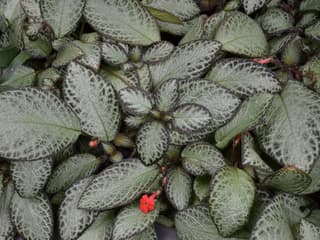
| Flame Violet | Easy | Partial shade | 7d | ✓ |
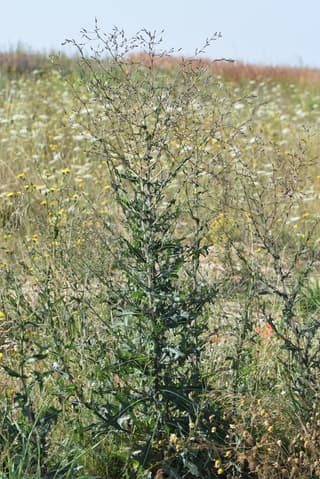
| Prickly Lettuce | Easy | Direct sun | 7d | ✓ |
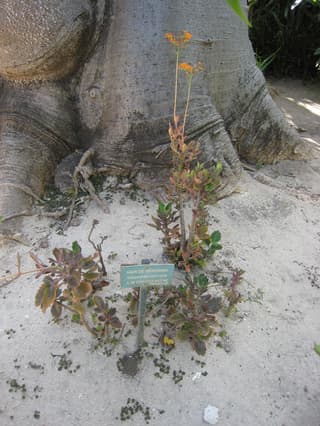
| Christmas Tree Plant | Easy | Bright indirect | 10d | ⚠️ |
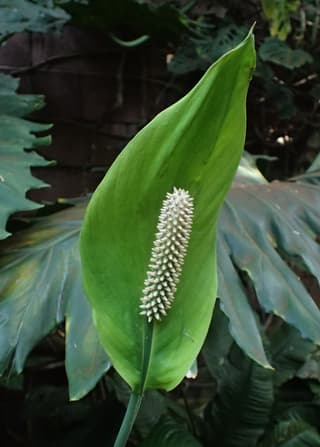
| Peace Lily | Easy | Low light | 7d | ⚠️ |