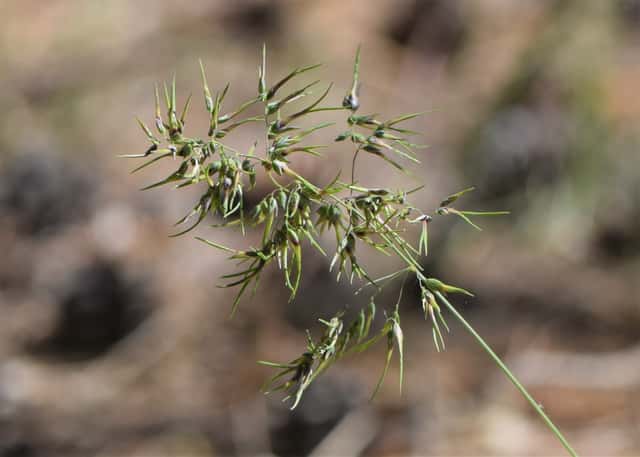
Poaceae
Bulbous Bluegrass: Complete Poa bulbosa Guide
Poa bulbosa
A very low-maintenance, tough grass. Ideal for dry gardens, slopes, and areas with irrigation restrictions. Tolerates prolonged drought, poor soils, and very low temperatures. Requires full sun and minimal watering.
Every 14 days
Direct sun
-15° - 35°C
30% - 60%
Categories
What is Bulbous Bluegrass?
Bulbous Bluegrass (Poa bulbosa) is a easy-care plant from the Poaceae family. Bulbous Bluegrass (Poa bulbosa) is a perennial grass native to Europe and the Mediterranean, now widespread globally. It forms dense clumps up to 70 cm tall with distinctive bulbous stem bases that store water reserves, making it extremely drought and cold tolerant. In spring it produces small spike...
Bulbous Bluegrass grows up to 70cm, spread of 40cm, watering every 14 days, -15°C – 35°C, 30–60% humidity. It is not suitable for indoor environments and safe for pets.
Unlike many tropical plants, Bulbous Bluegrass tolerates watering mistakes. Best for beginners. Unlike many popular species, Bulbous Bluegrass is safe to keep around pets.
How to Care for Bulbous Bluegrass?
TLDR: Bulbous Bluegrass needs Direct sun, watering every 14 days, and temperatures between -15-35°C with 30-60% humidity.
How Often Should You Water Bulbous Bluegrass?
Water sparingly, every 2 weeks or less. Bulbous Bluegrass is highly drought-tolerant and can survive extended dry periods, entering summer dormancy to avoid water stress.
How Much Light Does Bulbous Bluegrass Need?
Requires full sun (6-8 hours daily). Thrives in open, sunny locations. Avoid deep shade, which reduces vigor and clump density.
What Is the Best Soil for Bulbous Bluegrass?
Adapts to sandy, loamy, and clay soils. Prefers well-drained soils with pH 5.5-7.5. Tolerates poor, saline, and low-fertility conditions.
What Pot Should You Use for Bulbous Bluegrass?
Terra cotta or stone pots for alpine gardens; usually planted directly in the ground
Care Schedule
Fertilize
Every 60 days
What Is Bulbous Bluegrass and Where Does It Come From?
Bulbous Bluegrass (Poa bulbosa) is a perennial grass native to Europe and the Mediterranean, now widespread globally. It forms dense clumps up to 70 cm tall with distinctive bulbous stem bases that store water reserves, making it extremely drought and cold tolerant. In spring it produces small spikelets that develop into bulbils for vegetative reproduction.
How to Propagate Bulbous Bluegrass?
Clump division
Divide in spring or autumn, avoiding extreme heat periods. Keep roots moist during the process.
- 1 Dig up the clump with a spade
- 2 Divide into sections with intact roots
- 3 Replant in permanent location with loose soil
- 4 Water moderately until established
Materials needed:
Bulbil propagation
Bulbils have a 3-6 month dormancy period. Germination is most effective at cool temperatures.
- 1 Collect bulbils in spring before dormancy
- 2 Dry in a ventilated area for 1-2 weeks
- 3 Sow on the surface of sandy substrate
- 4 Keep moist in a cool location 15-20C
Materials needed:
How Big Does Bulbous Bluegrass Grow?
TLDR: Bulbous Bluegrass can reach up to 70cm tall with Fast growth rate.
Max height
70cm
Spread
40cm
Growth rate
Fast
Foliage
Deciduous
Plant Uses
Ornamental
Great for decoration
Ground Cover
Soil coverage
Is your plant showing symptoms?
Click on the symptom to discover possible causes:
What Diseases Commonly Affect Bulbous Bluegrass?
TLDR: Bulbous Bluegrass is susceptible to 4 known diseases. Monitor regularly for early detection.
Powdery Mildew
Powdery mildew is a common fungal disease caused by various fungi species including Erysiphe, Podosphaera, Oïdium, and Leveillula. It affects over 10,000 plant species worldwide. The disease thrives in warm, dry climates with high humidity and appears as a distinctive white powdery coating on plant surfaces.
Rust
Rust is a common fungal disease caused by fungi in the order Pucciniales that affects a wide variety of plants. The disease gets its name from the characteristic orange, yellow, or reddish-brown pustules that appear on leaves, resembling metal rust. This obligate fungal parasite requires living plants to survive and can cause significant economic losses in agricultural crops.
Leaf Spot
Leaf spot is a common fungal disease caused by various pathogens including Alternaria, Ascochyta, Colletotrichum, Septoria, and Venturia. It primarily affects leaves, causing discolored spots that can lead to premature leaf drop if left untreated.
Root Rot
Root rot is a serious fungal disease that affects the root system of plants, causing them to decay and die. It is primarily caused by overwatering, poor drainage, or soil-borne fungi such as Pythium, Phytophthora, Rhizoctonia, and Fusarium. The disease thrives in waterlogged conditions where roots are deprived of oxygen, making them susceptible to fungal infection.
Meaning & Symbolism
A symbol of resilience and adaptability, thriving in harsh conditions where other plants cannot survive.
Fun Facts
Bulbils can remain dormant in the soil for several years before germinating.
In spring, bulbils detach and are dispersed by wind, functioning like seeds.
This grass enters summer dormancy to survive drought, re-sprouting vigorously in autumn.
One of the few grasses that tolerates saline and extremely low-fertility soils.
Frequently asked questions
How often should I water Bulbous Bluegrass?
Is Bulbous Bluegrass toxic to pets?
Where should I plant Bulbous Bluegrass?
Does Bulbous Bluegrass spread aggressively?
How do I propagate Bulbous Bluegrass?
Compare with similar plants
| Attribute | Difficulty | Light | Watering | Pet Safe |
|---|---|---|---|---|
| Field Maple | Easy | Bright indirect | 14d | ✓ |
| Silver Birch | Easy | Direct sun | 14d | ✓ |
| Cushion Bush | Easy | Direct sun | 14d | ✓ |
| Peruvian peppertree | Easy | Direct sun | 14d | ⚠️ |





