Amaranthaceae
Burningbush (Bassia scoparia): Complete Care Guide
Bassia scoparia
Very easy to grow. Thrives in full sun with well-draining soil. Drought-tolerant once established. Water every 7 days. Fertilize monthly during the growing season. Light pruning helps maintain its compact, rounded shape.
Every 7 days
Direct sun
5° - 35°C
30% - 50%
Categories
What is Burningbush?
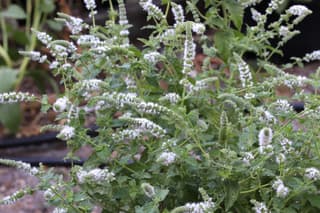
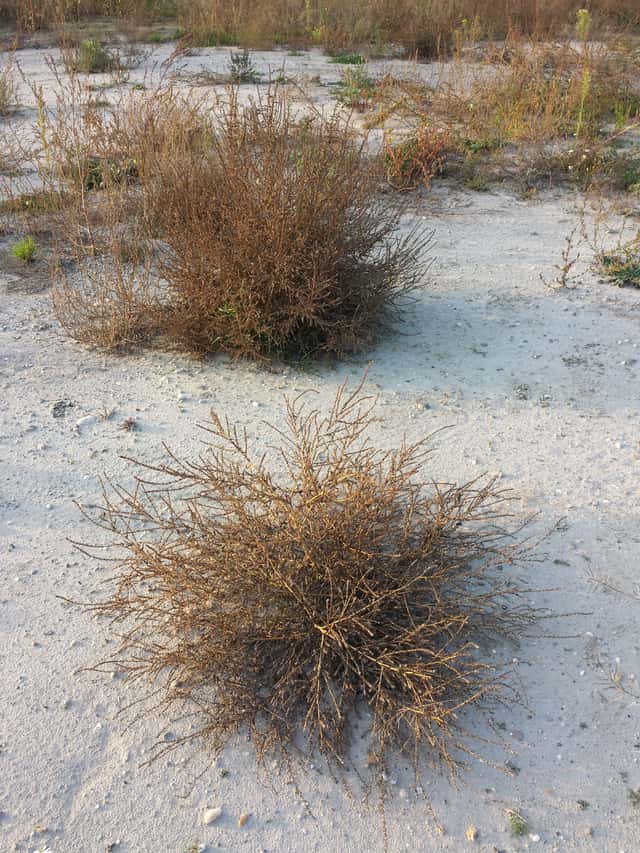
Burningbush (Bassia scoparia) is a easy-care plant from the Amaranthaceae family. Burningbush (Bassia scoparia) is a fast-growing annual herb native to Eurasia. It forms a dense, symmetrical mound of fine, bright green foliage that turns brilliant red or purple in autumn, creating a spectacular seasonal display. Widely grown as an ornamental in gardens and borders.
Burningbush grows up to 1.5m, spread of 90cm, watering every 7 days, 5°C – 35°C, 30–50% humidity. It is not suitable for indoor environments and safe for pets.
Unlike many tropical plants, Burningbush tolerates watering mistakes. Best for beginners. Unlike many popular species, Burningbush is safe to keep around pets.
How to Care for Burningbush?
TLDR: Burningbush needs Direct sun, watering every 7 days, and temperatures between 5-35°C with 30-50% humidity.
How Often Should You Water Burningbush?
Water every 7 days, allowing the soil to dry slightly between waterings. Once established, the plant tolerates drought periods well. Avoid waterlogging to prevent root rot.
How Much Light Does Burningbush Need?
Requires full sun — at least 6 to 8 hours of direct sunlight daily. Place in an open, sunny location. In partial shade, growth will be slower and the form less compact.
What Is the Best Soil for Burningbush?
Prefers well-draining soil with a pH between 6.5 and 7.5. Add sand or perlite to improve drainage if needed. Avoid heavy clay soils that retain too much moisture.
What Pot Should You Use for Burningbush?
Large outdoor containers or garden beds with good drainage. Not recommended for indoor cultivation.
Care Schedule
Fertilize
Every 30 days
What Is Burningbush and Where Does It Come From?
Burningbush (Bassia scoparia) is a fast-growing annual herb native to Eurasia. It forms a dense, symmetrical mound of fine, bright green foliage that turns brilliant red or purple in autumn, creating a spectacular seasonal display. Widely grown as an ornamental in gardens and borders.
How to Propagate Burningbush?
Direct seeding
Sow in spring after frost risk has passed. Seeds germinate well at 18-25°C. The plant self-seeds readily — remove flowers before seed set to control spread.
- 1 Prepare soil with good drainage and pH between 6.5 and 7.5
- 2 Sow directly in the permanent location after the last frost
- 3 Cover seeds with about 0.5 cm of substrate
- 4 Keep soil slightly moist until germination
- 5 Thin seedlings to 30-60 cm spacing
Materials needed:
How Big Does Burningbush Grow?
TLDR: Burningbush can reach up to 1.5m tall with Fast growth rate.
Max height
1.5m
Spread
90cm
Growth rate
Fast
Foliage
Deciduous
Plant Uses
Ornamental
Great for decoration
Ground Cover
Soil coverage
Is your plant showing symptoms?
Click on the symptom to discover possible causes:
What Diseases Commonly Affect Burningbush?
TLDR: Burningbush is susceptible to 3 known diseases. Monitor regularly for early detection.
Leaf Spot
Leaf spot is a common fungal disease caused by various pathogens including Alternaria, Ascochyta, Colletotrichum, Septoria, and Venturia. It primarily affects leaves, causing discolored spots that can lead to premature leaf drop if left untreated.
Aphids
Aphids are small, soft-bodied, pear-shaped insects (1/16 to 1/8 inch long) that feed by sucking nutrient-rich sap from plants. They reproduce rapidly and can quickly weaken plants, causing distorted growth and transmitting plant viruses. Aphids come in various colors including green, black, red, yellow, brown, and gray. They secrete honeydew, a sticky substance that attracts ants and encourages sooty mold growth.
Spider Mites
Spider mites are tiny arachnids (less than 1/20 inch long) related to spiders and ticks that feed on plant sap. They thrive in hot, dry conditions and can cause significant damage to ornamental and vegetable plants. During severe infestations, crop losses can reach 14% or higher as these pests disrupt vital plant processes including photosynthesis, carbon dioxide absorption, and transpiration.
Fun Facts
Originally cultivated in Eurasia for centuries as a forage and medicinal plant
The foliage transforms from green to brilliant red or purple in autumn, creating a striking seasonal display
It is considered invasive in several North American states due to its prolific self-seeding
Historically used as a broom plant in Asia — the name scoparia means 'broom-like' in Latin
Frequently asked questions
How often should I water Burningbush?
Is Burningbush toxic to pets?
Can I grow Burningbush in a pot?
How do I prevent Burningbush from spreading?
Compare with similar plants
| Attribute | Difficulty | Light | Watering | Pet Safe |
|---|---|---|---|---|
| Field Maple | Easy | Bright indirect | 14d | ✓ |
| Silver Birch | Easy | Direct sun | 14d | ✓ |
| Cushion Bush | Easy | Direct sun | 14d | ✓ |
| Peruvian peppertree | Easy | Direct sun | 14d | ⚠️ |